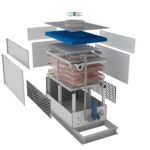
Axial Fan
Axial Fan is a type of fan that moves air along the axis of its blades. It typically consists of a motor and blades mounted on a shaft within a cylindrical housing. Axial fans are designed to create airflow in a straight line, parallel to the shaft, making them efficient for applications requiring high airflow rates at relatively low pressures. They are commonly used in cooling applications, ventilation systems, and electronics cooling, among others, where a steady flow of air is needed to cool equipment or spaces.
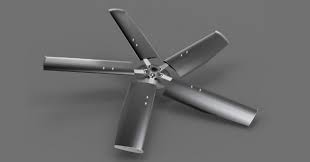
Axial Fan
Role of
- Airflow Generation: They generate the necessary airflow to facilitate the cooling process within the tower of axial fan.
- Heat Dissipation: By moving air through the tower, they aid in dissipating heat from the water circulating inside.
- Enhanced Efficiency: Axial fans help maintain optimal operating temperatures within the tower, improving overall cooling efficiency.
- Environmental Control: They assist in controlling humidity levels and ensuring proper air circulation, which are essential for effective cooling tower operation.
- System Reliability: By maintaining adequate airflow, axial fans contribute to the reliability and longevity of cooling tower components.
- Temperature Regulation: Axial fans help maintain optimal temperatures inside the cooling tower, ensuring effective heat transfer and cooling performance.
Axial Fan
Benefits of
- High Airflow Efficiency: Axial fans are designed to move large volumes of air efficiently, crucial for effective cooling tower operation.
- Effective Heat Dissipation: They aid in the rapid exchange of heat between the water inside the tower and the ambient air, enhancing cooling efficiency.
- Energy Efficiency: Axial fans are often designed to operate at high efficiency levels, minimizing energy consumption while maximizing airflow.
- Compact Design: Their compact size and straightforward installation make axial fans suitable for various cooling tower configurations and space constraints.
- Reliability: With fewer moving parts and robust construction, axial fans offer reliable operation over extended periods, reducing maintenance needs.
Axial Fan
Axial Fan is a type of mechanical fan commonly used for moving air or gas parallel to the axis of its blades. Unlike centrifugal fans that generate airflow perpendicular to the fan blades, axial fans propel air in a straight line, making them ideal for applications where a high volume of air needs to be moved with relatively low pressure. They are widely used in HVAC systems, cooling towers, condensers, and various industrial processes. Axial fans are efficient in terms of airflow and are available in a range of sizes and configurations to suit different air movement needs.

Axial Fan
Components and Materials of
- Blades: Made from materials like aluminum, stainless steel, or composite materials. Aluminum is common for its lightweight and corrosion resistance, while stainless steel offers durability in harsh environments.
- Hub: The central part to which blades are attached, usually made of aluminum or steel for strength and stability of axil fan.
- Motor: Often housed within the fan assembly, motors can be AC or DC powered, and may include features like variable speed controls for efficiency.
- Frame and Housing: Supports and encloses the fan components, usually made of galvanized steel, aluminum, or sometimes plastics for lighter weight.
- Bearings: Used to support the shaft and allow smooth rotation, commonly made of stainless steel or other durable metals.
Axial Fan
Benefits of
- Efficient Airflow: They move large volumes of air with low power consumption, making them energy-efficient.
- Compact Design: They are often compact and lightweight, suitable for installations where space is limited.
- Cost-Effective: Generally lower in cost compared to centrifugal fans, especially for applications requiring high airflow but low pressure.
- Quiet Operation: Can operate with minimal noise, depending on the design and speed.
- Versatile Applications: Used in HVAC systems, cooling towers, electronics cooling, and various industrial processes due to their ability to move air effectively in a straight line.
- Low Maintenance: Typically have fewer moving parts and require less maintenance compared to other types of fans.
Other Cooling Tower Spares We Manufacture
Honeycomb PVC Fills
Honeycomb PVC Fills are a type of fill media used in cooling towers, made from polyvinyl chloride (PVC). They feature a honeycomb-like structure that maximizes the surface area
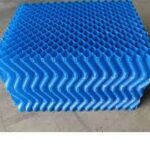
Drift Eliminators
Drift Eliminators are essential components in cooling towers designed to minimize the loss of water droplets, known as drift, that are carried out of the tower by the exiting airflow.
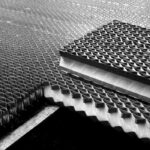
Motors
Motors are specially designed electric motors used to drive fans in cooling towers. They are typically robust and corrosion-resistant, often made of materials like stainless steel

FRP Casing
FRP Casing refers to casings or enclosures made from Fiberglass Reinforced Plastic (FRP). FRP is a composite material consisting of a polymer matrix reinforced with fiberglass fibers.

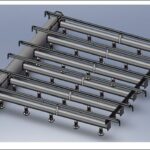
Distribution Pipes
Distribution Pipes are essential components of infrastructure systems used to convey fluids from a central source to multiple endpoints for consumption or use.
Sprinkler
Sprinkler in cooling towers are mechanical devices designed to evenly distribute water over the fill media inside the tower. They play a crucial role in the cooling process

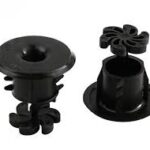
Nozzles
Nozzles in cooling towers are devices designed to distribute water evenly over the fill material inside the tower. They play a critical role in facilitating efficient heat transfer
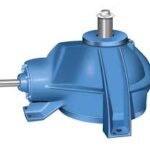
Gearbox
Gearbox in a cooling tower is a mechanical component that serves to transmit and control the rotational speed and torque of the fan or other moving parts within the tower.
Structure and Hardware
Structure and Hardware of a cooling tower encompass its physical framework and essential components designed to facilitate heat dissipation.