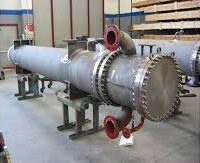
Shell and Tube Heat Exchangers
These are among the most widely used heat exchangers due to their ability to handle extreme pressures and temperatures. They are commonly utilized in industrial processes, power plants, and HVAC systems
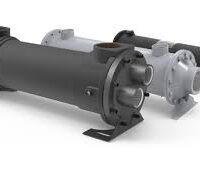
Compressor Cooler
Also known as compressor-driven refrigerators, these cooling systems use a compressor to circulate refrigerant gas, effectively removing heat from enclosed spaces they are widely used in refrigeration.
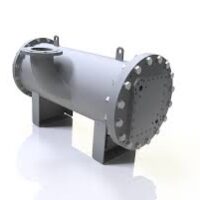
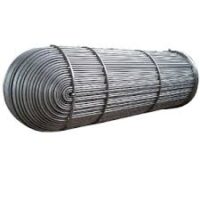
Tube Bundles
These are groups of multiple tubes secured within a shell by tube sheets. They play a crucial role in heat exchangers by allowing the transfer of thermal energy between two fluids while preventing direct contact
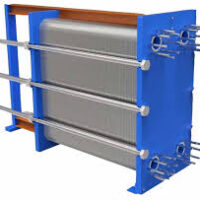
Gasket Plate Heat Exchanger
These heat exchangers consist of multiple thin, corrugated metal plates that facilitate efficient heat transfer between fluids. The plates are sealed with gaskets and arranged in a frame, making them ideal for applications
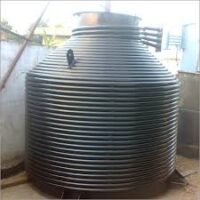
Boiler Coils
Made of durable, heat-resistant metals such as stainless steel or copper, boiler coils efficiently transfer heat from combustion gases to water or steam. These coils are essential components in boiler systems
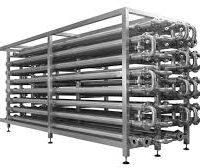
Tube in Tube Heat Exchanger
This design features two concentric tubes, where one fluid flows through the inner tube while another fluid moves through the annular space between the tubes. This setup enhances heat exchange efficiency
Dry Cooler
Dry Coolers – These heat exchangers use ambient air to cool fluids, such as water or a water-glycol mixture, without evaporation. By operating on sensible heat transfer, they are an energy-efficient solution
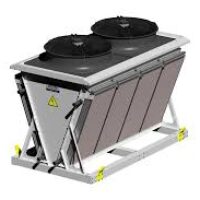
Shell and Tube Oil Coolers
Designed for industrial applications, these oil coolers use a series of enclosed tubes to transfer heat from hot oil to a cooling medium like water or air. They are widely used in hydraulic systems, power plants
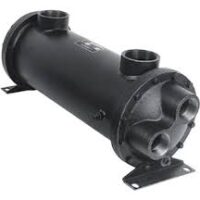
Shell and Tube Inter Cooler
These heat exchangers help cool compressed fluids or gases before they enter the next stage of processing. By reducing the temperature, intercoolers improve energy efficiency and protect equipment from overheating
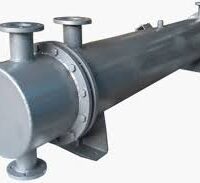
Shell and Tube After Cooler
Aftercoolers are designed to cool compressed air or gases after they have undergone compression. By reducing the air temperature, these heat exchangers help remove excess moisture, improving efficiency
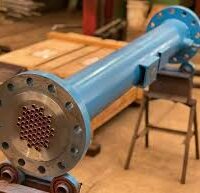
Stainless Steel Heat Exchanger
Built with corrosion-resistant stainless steel, these heat exchangers provide durability and excellent heat transfer performance in high-temperature and high-pressure applications they are commonly

Copper Heat Exchanger
Known for their superior thermal conductivity, copper heat exchangers provide fast and efficient heat transfer between fluids. Their antimicrobial properties make them ideal for use in HVAC systems
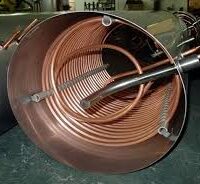
U-tube Heat Exchanger
Featuring tubes bent into a U-shape, these heat exchangers allow for thermal expansion and contraction without stress on the tube sheets. This flexibility makes them suitable for high-temperature applications
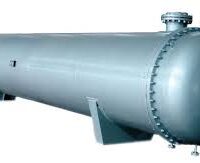
Marine Heat Exchanger
Specifically designed for use in marine environments, these heat exchangers transfer heat between seawater and onboard systems. They are essential for cooling ship engines, desalination systems
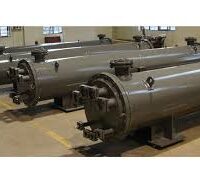
Shell and Tube Condenser
These devices condense steam or vapor into liquid by allowing a cooling fluid to flow through a bundle of tubes enclosed in a shell. They are widely used in refrigeration, power plants, and chemical industries

Fixed Tube Sheet Heat Exchanger
With tube sheets permanently welded to the shell, these heat exchangers offer robust construction and reliable heat transfer. They are ideal for applications with minimal thermal expansion
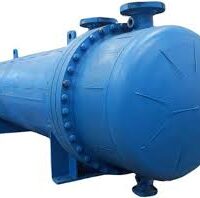
Removable Tube Heat Exchanger
Designed for easy maintenance, these heat exchangers feature removable tube bundles or tube sheets, allowing for quick cleaning and inspection. They are commonly used in industries where frequent servicing is required