
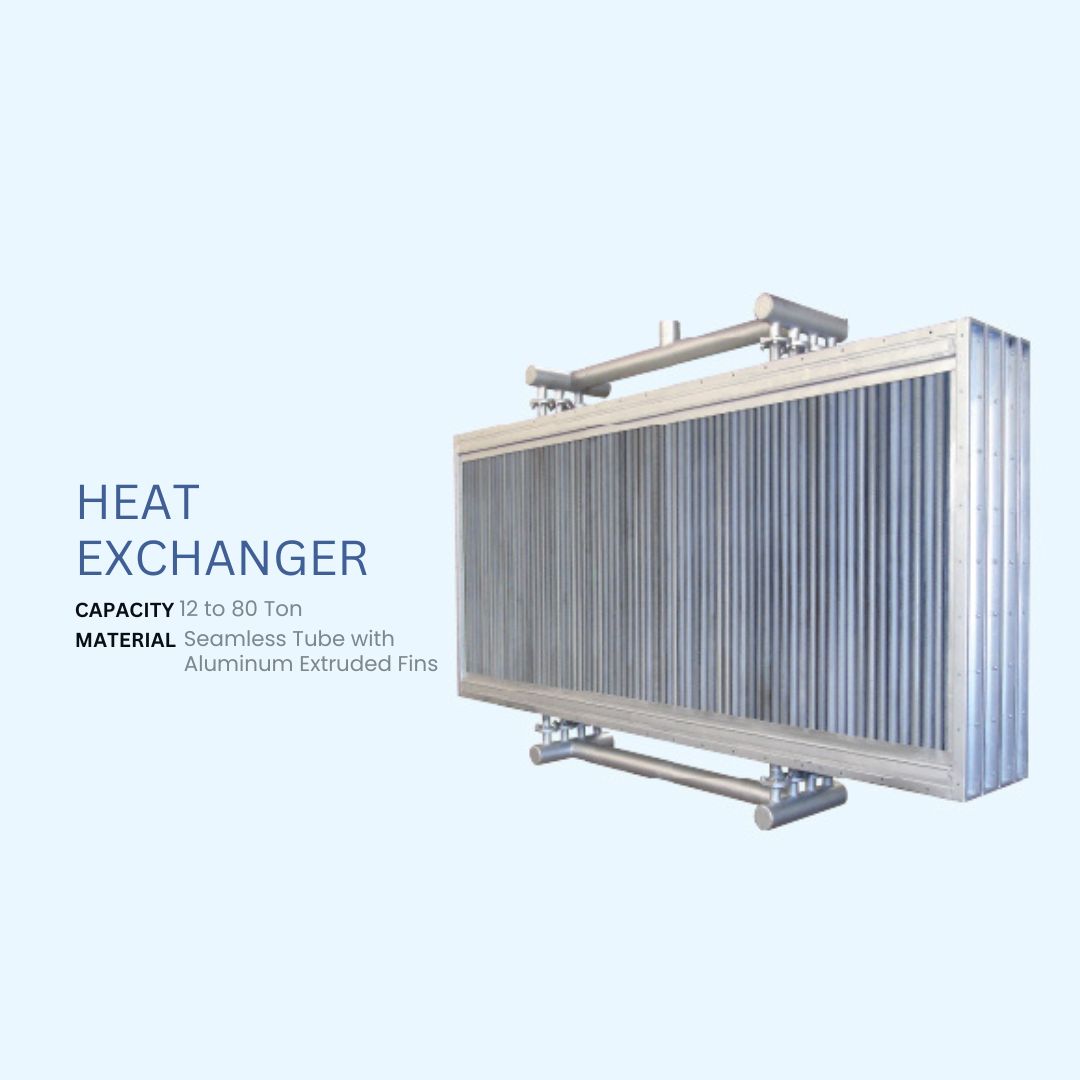
In rice parboiling units, controlling temperature is critical for achieving high-quality output, efficient energy use, and consistent productivity. Air preheating with heat exchangers has become a standard practice to improve thermal efficiency and reduce fuel consumption in these operations. By preheating the air before it enters the steaming or drying process, heat exchangers recover energy from exhaust gases or other heat sources, ensuring that the parboiling process operates at optimal temperatures while minimizing energy wastage. This approach enhances grain quality, reduces processing time, and lowers operational costs.
The efficiency of air preheating largely depends on the type and material of the heat exchanger. Stainless steel, duplex stainless steel, and titanium are commonly used due to their durability, corrosion resistance, and ability to handle high-temperature steam and moisture. The design of the heat exchanger, including surface area, fin arrangements, and airflow patterns, also plays a crucial role in maximizing heat transfer efficiency. In rice parboiling units, effective air preheating ensures uniform steaming, reduced fuel consumption, and improved energy recovery, which is essential for maintaining high productivity and sustainability.
Regular maintenance and monitoring are essential to sustain optimal performance in rice parboiling units. Cleaning schedules, corrosion prevention, and inspection of airflow paths help maintain consistent preheating efficiency and reduce downtime. Additionally, integrating modern control systems allows operators to adjust airflow and temperature based on real-time conditions, ensuring that energy is used efficiently throughout the parboiling process. By leveraging air preheating with well-designed heat exchangers, rice processing plants can achieve enhanced thermal efficiency, cost savings, and superior product quality, making it a key component of modern rice parboiling operations.