Introduction to After Coolers
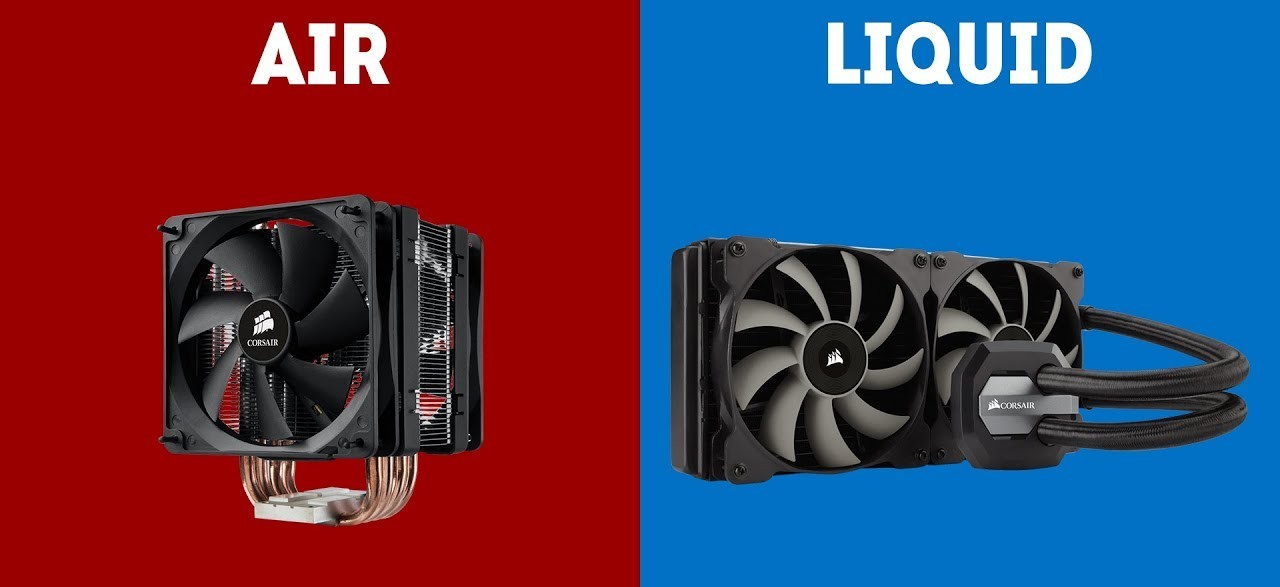
After coolers are essential components in compressed air systems, designed to reduce the temperature of compressed air before it enters downstream equipment. This temperature reduction not only increases efficiency but also helps remove moisture, preventing corrosion and damage to pneumatic tools. There are two main types of after coolers—air-cooled and water-cooled—each offering unique advantages depending on the application, operating conditions, and available resources. Choosing the right type is crucial for achieving optimal performance, efficiency, and longevity of your air compressor system.
Air-Cooled After Coolers: Simple and Cost-Effective
Air-cooled after coolers function much like a car radiator, using ambient air to remove heat from the compressed air. They are easy to install, require minimal maintenance, and do not need an external water source, making them a cost-effective choice for many facilities. This design is ideal for applications where ambient temperatures are moderate, and space constraints allow for proper ventilation. Air-cooled units also eliminate the cost of water treatment, making them an eco-friendly and low-maintenance option for small to medium-scale operations.
Water-Cooled After Coolers: High Efficiency for Heavy-Duty Use
Water-cooled after coolers use a shell-and-tube heat exchanger design, with water acting as the cooling medium. They are highly effective in reducing air temperature even in hot environments where air cooling might struggle. Water-cooled systems are best suited for large-scale industrial facilities with access to a reliable water supply. These systems offer consistent cooling performance, handle higher heat loads, and maintain efficiency regardless of ambient temperature. However, they require proper water treatment and regular maintenance to prevent scaling and corrosion.
Choosing the Right Option for Your System
The choice between air-cooled and water-cooled after coolers depends on several factors, including installation environment, cooling efficiency requirements, maintenance capabilities, and operational costs. For smaller operations or locations without a steady water source, air-cooled after coolers are generally the better option. In contrast, heavy-duty industrial applications operating in hot climates may benefit more from the superior cooling capacity of water-cooled models. Evaluating your facility’s needs and consulting with a cooling expert can help you make an informed decision, ensuring maximum reliability and energy efficiency.