
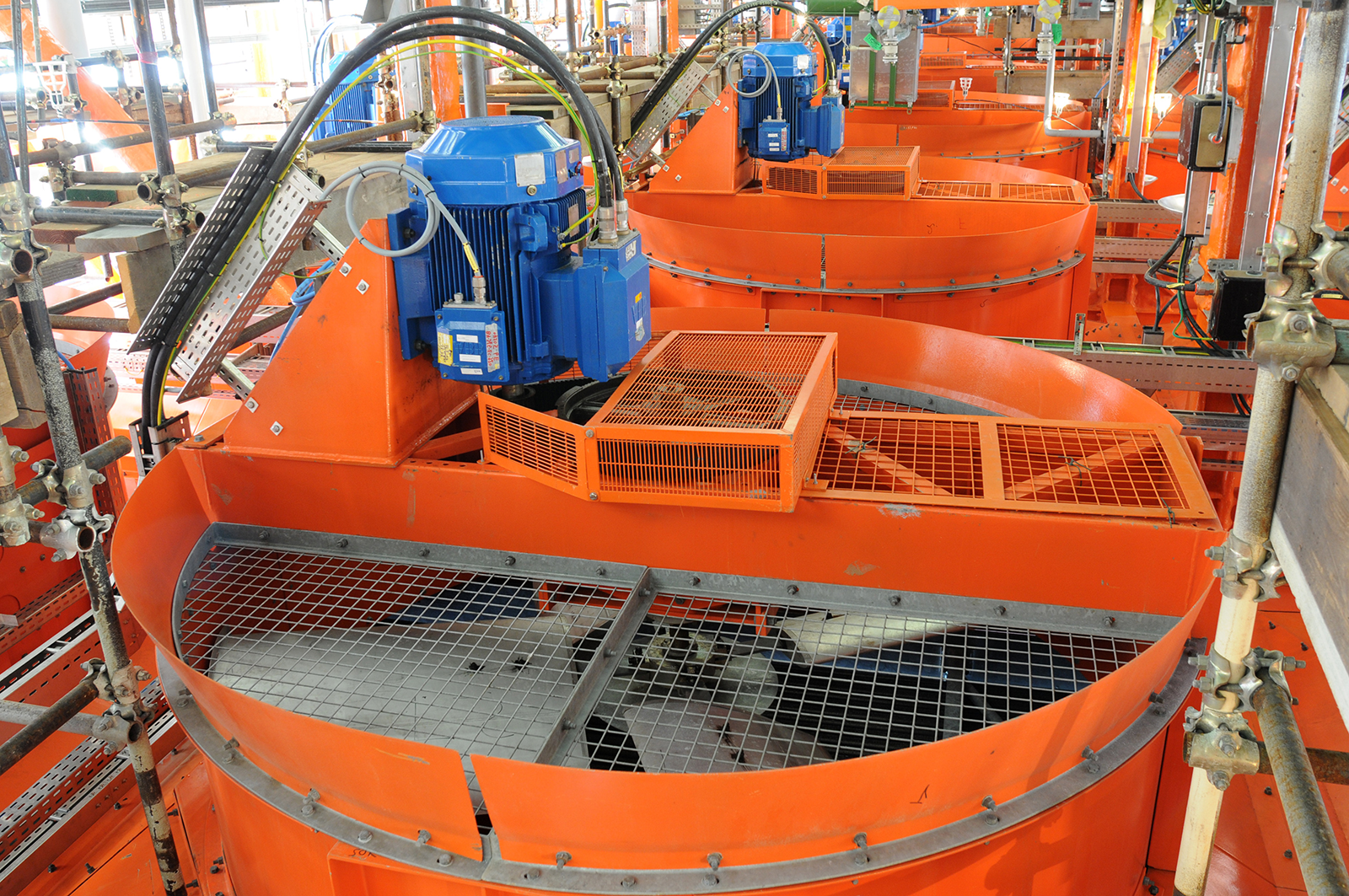
Installing large Air Cooled Heat Exchangers (ACHEs) is a complex process that requires careful planning, engineering precision, and adherence to industry standards. These units are critical for industries like power generation, petrochemicals, oil & gas, and refineries, where efficient heat rejection ensures stable and reliable operation. Proper installation not only guarantees optimal cooling performance but also minimizes long-term maintenance issues, vibration problems, and unexpected downtime. Following best practices during installation is essential to maximize system efficiency, equipment life, and safety compliance.
One of the key practices is site preparation and foundation design, as ACHEs are heavy structures that demand stable and well-leveled bases. Aligning the heat exchanger with correct orientation and airflow direction ensures consistent thermal transfer and prevents hot air recirculation. Additionally, precise installation of fans, motors, drives, and louvers plays a major role in reducing vibration, controlling noise, and enhancing energy efficiency. Attention should also be given to piping flexibility, accessibility for maintenance, and proper electrical connections, ensuring smooth integration with existing plant systems.
Another important aspect is implementing quality control checks, performance testing, and commissioning procedures before bringing the unit into operation. This includes verifying fan balancing, conducting vibration analysis, and checking control system responses under different load conditions. Proper installation also means planning for seasonal variations, safety clearances, and easy access for inspections. By following these best practices, industries can achieve long-term reliability, reduced operating costs, and maximum performance from their large air cooled exchangers, making them a dependable choice for industrial cooling needs.