
The Role of Axial Fans in Cooling Tower Efficiency Axial fans play a pivotal role in enhancing cooling tower air circulation by drawing ambient air through the tower and expelling it vertically. Unlike…

The Future of Drift Eliminator Design – What’s Next?
Advancements in Drift Eliminator Design for Reduced Pressure Drop Modern drift eliminator technology represents a significant leap beyond older, less efficient designs. Contemporary units, often utilizing highly engineered blade profiles and optimized cell…
Energy Efficiency Improvement Through Modern Drift Eliminators
Advancements in Drift Eliminator Design for Reduced Pressure Drop Modern drift eliminator technology represents a significant leap beyond older, less efficient designs. Contemporary units, often utilizing highly engineered blade profiles and optimized cell…
Role of Drift Eliminators in Reducing Chemical Loss in Cooling Towers
Understanding Drift Eliminators in Cooling Towers Drift eliminators play a crucial role in minimizing chemical loss in cooling towers by capturing water droplets that contain dissolved chemicals before they escape into the atmosphere.…
How to Inspect and Replace Drift Eliminators Properly
Conducting a Thorough Visual and Physical Inspection A proper inspection goes beyond a simple glance. During a scheduled cooling tower shutdown, safely access the eliminator section and first look for visible signs of…
Difference Between PVC and FRP Drift Eliminators
Material Composition and Inherent Durability The fundamental difference lies in their construction: Polyvinyl Chloride (PVC) is a rigid thermoplastic, while Fiberglass Reinforced Plastic (FRP) is a composite material featuring a polymer matrix strengthened…
Common Problems Caused by Worn-Out Drift Eliminators
Skyrocketing Operational Costs and Resource Waste When drift eliminators become old, clogged with scale, or damaged, their primary function is compromised, leading to an immediate and significant increase in operational costs. Worn-out eliminators…
Top Benefits of Installing Efficient Drift Eliminators
Maximize Water and Chemical Savings One of the most significant financial benefits of upgrading to high-efficiency drift eliminators is the drastic reduction in operational costs. Cooling tower drift consists of water droplets that…
Design and Working Principle of Cooling Tower Drift Eliminators
Understanding the Cooling Tower Drift Eliminators Cooling tower drift eliminators are engineered components designed to minimize the loss of water droplets from cooling towers. Their primary function is to capture and divert water…
How Drift Eliminators Help in Maintaining Air Quality
The Role of Drift Eliminators in Air Quality Improvement Drift eliminators play a crucial part in maintaining Air Quality Improvement by capturing water droplets laden with contaminants before they escape cooling towers. These…
Importance of Drift Eliminators in Controlling Water Loss
Evolution of Drift Eliminators in Water Management Drift eliminators have evolved dramatically over the years, shifting from simple deflection devices to advanced systems engineered to maximize water retention and minimize loss. Innovations in…

How Honeycomb PVC Fills Reduce Power Consumption in Cooling Towers
Enhanced Heat Transfer Efficiency Honeycomb PVC fills, often referred to as high-efficiency cooling tower media, dramatically improve the rate of heat rejection compared to older, less sophisticated fill designs. This efficiency stems from…
Eco-Friendly Aspects of Using PVC Honeycomb Fills
Durability as a Pillar of Sustainability The primary eco-friendly advantage derived from utilizing PVC honeycomb fills lies in their exceptional material longevity. Unlike less resilient materials that degrade quickly due to exposure to…
Honeycomb PVC vs Film Fills – Which One to Choose?
Understanding the Fundamental Differences Between Honeycomb and Film Fill Technologies Honeycomb PVC fills and film fills represent two distinct cooling tower fill material approaches, each with unique operational characteristics and performance profiles. Honeycomb…
The Impact of Poor Fill Design on Cooling Tower Performance
How Poor Fill Design Undermines Heat Transfer A cooling tower’s fill pack is the core heat-exchange surface. When fill is poorly designed—wrong flute geometry, inadequate surface area, or inconsistent wetting—it disrupts film formation…
Signs That Your Cooling Tower Fills Need Replacement
Visible Wear and Corrosion: Early Warning Signs You Can’t Ignore One of the most telling indicators that your cooling tower fills need replacement is visible wear and corrosion. Over time, the fill material—typically…
Choosing the Right Fill Thickness for Your Cooling Tower
Understanding Fill Thickness and Its Fundamental Impact Selecting the appropriate fill thickness, more accurately described as the spacing between individual fill sheets, is a critical decision influencing a cooling tower's overall performance, efficiency,…
Why Honeycomb PVC Fills Are Ideal for High-Temperature Operations
Engineered Thermal Resilience for Elevated Operations Honeycomb PVC fills excel in high-temperature cooling tower operations up to 60°C by leveraging their unique cellular structure, which promotes even heat dissipation and prevents localized overheating.…
How to Maintain and Clean Honeycomb PVC Fills for Longer Life
Chemical Compatibility & Safe Cleaning Protocols Maintaining honeycomb PVC fills requires strict avoidance of chlorine-based cleaners and strong acids, which degrade PVC integrity and shorten lifespan. Instead, use pH-neutral biocides (6.5–8.5 range) and…
Difference Between PVC and PP Fills – Which Is Better for Cooling Towers?
Material Composition and Thermal Resistance Properties PVC (Polyvinyl Chloride) and PP (Polypropylene) fills represent two distinct material technologies in cooling tower applications, each offering unique advantages for specific operational environments. PVC fills are…
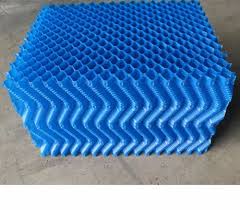
Role of Honeycomb PVC Fills in Enhancing Cooling Tower Efficiency
Superior Heat Transfer and Thermal Performance Honeycomb PVC fills have revolutionized the cooling tower industry by significantly improving heat transfer efficiency and operational performance. These specialized fills, characterized by their hexagonal cellular structure,…
Maintenance of Natural Draft Cooling Towers
Natural Draft Cooling Towers (NDCTs) are monumental structures that play a vital role in large-scale industrial cooling operations. While they are praised for minimal energy consumption and low mechanical complexity, their performance heavily…
Applications of Natural Draft Cooling Towers
Natural Draft Cooling Towers (NDCTs) are a cornerstone of thermal management in large-scale industrial operations. With their iconic hyperbolic shape, towering presence, and ability to cool vast volumes of water without mechanical fans,…
Materials Used in Natural Draft Cooling Towers
Natural Draft Cooling Towers (NDCTs) are some of the largest and most enduring industrial structures in the world. Found primarily in thermal power plants, refineries, and fertilizer industries, these hyperbolic structures operate without…
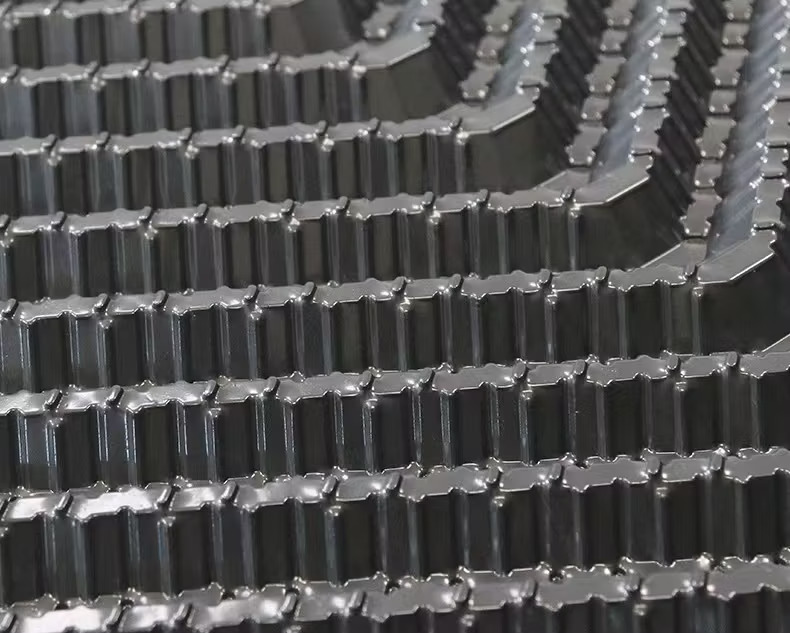
Fill Media in Natural Draft Cooling Towers
When it comes to Natural Draft Cooling Towers (NDCTs) — those iconic hyperbolic giants of the industrial landscape — the fill media quietly plays a starring role. Despite relying on passive airflow, these…

Drift Eliminators in Natural Draft Cooling Towers
Natural Draft Cooling Towers (NDCTs), with their towering hyperbolic shells and passive airflow mechanisms, are designed for large-scale heat rejection without mechanical fans. One often-overlooked yet critical component of these towers is the…