
Hydraulic systems generate substantial heat due to continuous mechanical motion, pressure fluctuations, and oil friction. Hydraulic oil chillers are designed to maintain oil temperature within optimal operating limits. These specialized chillers prevent oil degradation, component wear, and machine malfunction.
Unlike standard water chillers, hydraulic oil chillers are engineered with oil-specific materials, sensors, and safety features to work efficiently with viscous fluids under variable loads. Let’s explore the core characteristics that define a hydraulic oil chiller, including design, performance, control features, and suitability for heavy-duty industrial operations.
Oil Viscosity Compatibility
Hydraulic oil has a thicker viscosity compared to water or other coolants. Oil chillers are equipped with:
- High-torque circulation pumps to handle the thick fluid
- Wider internal piping to prevent clogging
- Low-flow design evaporators for better heat exchange
Unique Insight: Specially selected flow passages help reduce pressure drop and improve cooling performance despite the oil’s slow flow rate.
Temperature Stability and Accuracy
Maintaining a stable oil temperature is crucial to retain oil’s lubricity and avoid thermal expansion in machine parts.
- Digital controllers or PID-based systems regulate temperature within ±1°C
- Thermistors or RTDs sense real-time temperature of inlet and outlet oil
- Set-point programming is possible for different machine operations
Precise control also helps prevent overheating that could lead to hydraulic seal failure or oil oxidation.
Robust Heat Exchange Mechanism
Hydraulic oil chillers typically use:
- Shell-and-tube or brazed plate heat exchangers designed to optimize heat transfer for oils
- A closed-loop refrigeration cycle, with refrigerant circulating through evaporator → compressor → condenser → expansion valve
Evaporators are built using non-corrosive materials to handle hydraulic oils with additives or contaminants.
Heavy-Duty Construction
Hydraulic oil chillers often operate in harsh industrial environments. They feature:
- Steel or powder-coated enclosures for corrosion resistance
- Vibration-dampened base frames
- Weather-resistant panels for outdoor setups
Built tough for environments like power plants, metal forming units, and injection molding factories.
Advanced Refrigerant Circuitry
To ensure efficient cooling:
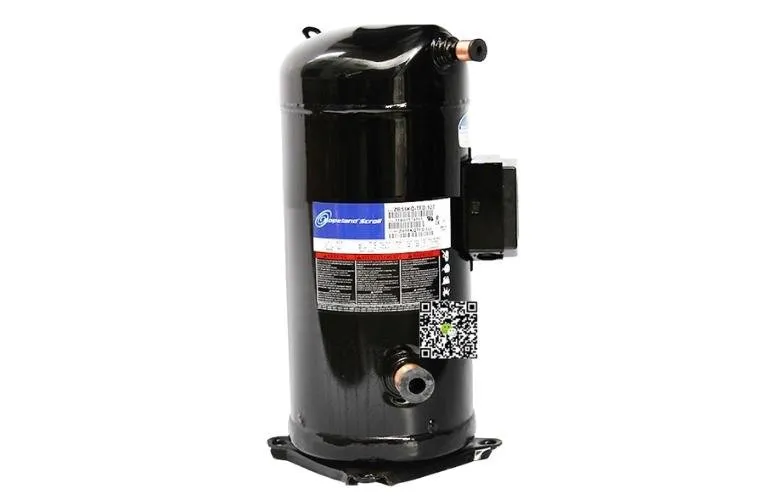
- Scroll or rotary compressors are commonly used for quiet and energy-efficient operation
- Air-cooled condensers (with axial fans) or water-cooled condensers (with shell-and-tube designs)
- Eco-friendly refrigerants such as R-134a, R-407C, or R-410A
Some modern models include variable speed compressor (VFD) for energy optimization based on load.
Integrated Safety Mechanisms
A good hydraulic oil chiller must protect the system from electrical and fluid-based hazards:
- High/low pressure cut-outs
- Low oil flow alarms
- Compressor overload protection
- Anti-freeze protection sensors
- Emergency shutdown systems
Preventive safety features reduce machine downtime and avoid expensive repair costs.
Adaptability for Ambient Conditions
Hydraulic chillers are designed to function in:
- Tropical climates up to 50°C ambient
- Dusty environments (with coated fins and washable filters)
- Outdoor locations with waterproof or IP-rated enclosures
Tropicalized chillers include extra-large condensers and UV-protected housings for reliable performance in Indian industries.
Hydraulic oil chillers are defined by their durability, fluid compatibility, thermal precision, and industrial adaptability. They are built to handle viscous fluids, harsh environments, and the critical need for cooling in modern hydraulic systems.
By maintaining optimal oil temperature, these chillers reduce downtime, extend equipment life, and improve energy efficiency. From built-in oil filters to advanced monitoring features, each characteristic of a hydraulic oil chiller is engineered for performance, protection, and precision.