
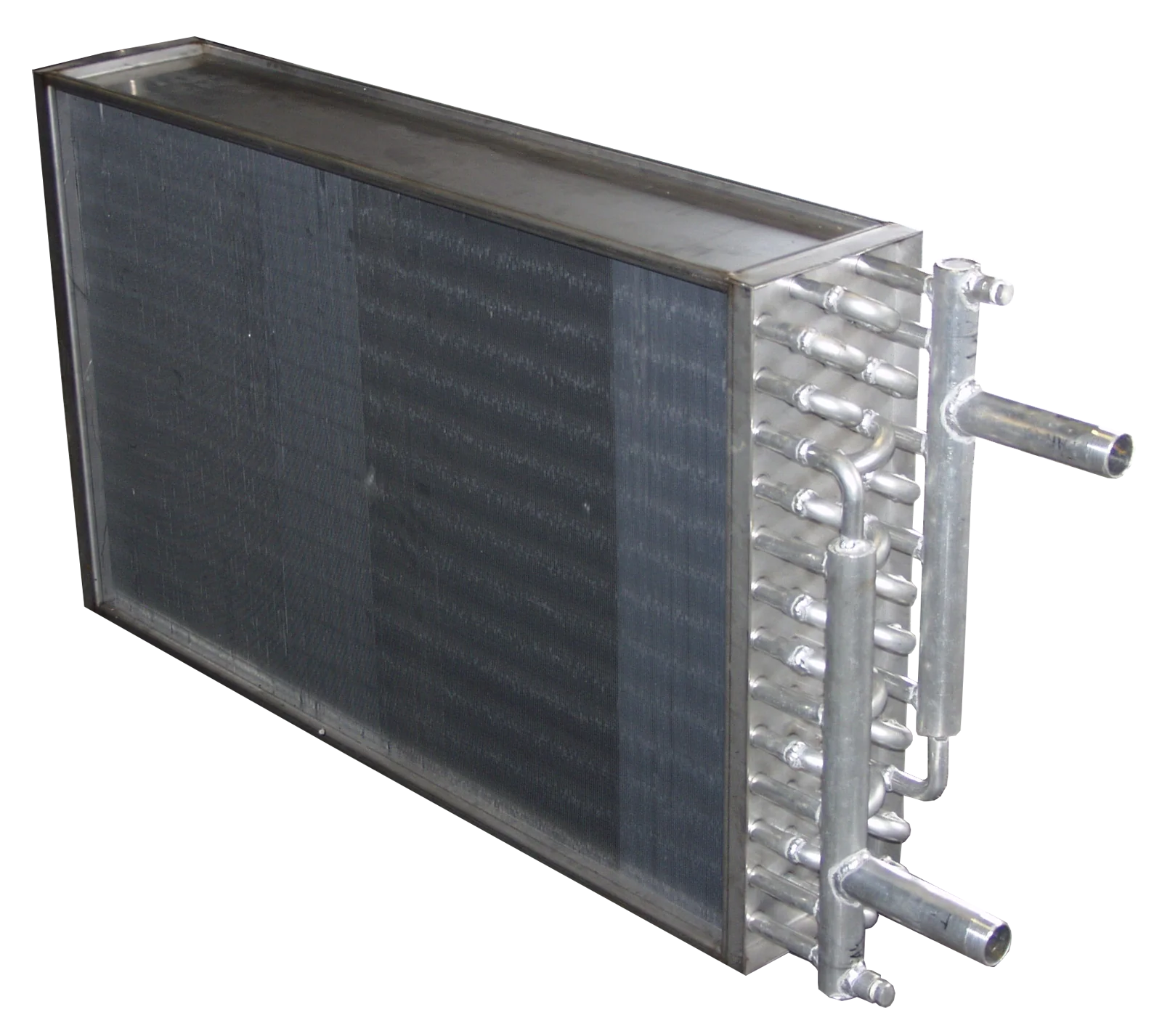
The selection of heat exchanger coil material for steam systems is a critical engineering decision that directly impacts system efficiency, longevity, and operational safety. While stainless steel and copper alloys are common choices, unique considerations arise when dealing with high-pressure, high-temperature saturated or superheated steam. For environments exhibiting significant corrosion resistance requirements, especially when dealing with condensate return that may contain dissolved gasses like oxygen or carbon dioxide, duplex stainless steels or even specialty nickel alloys might offer superior thermal performance and resistance to stress corrosion cracking compared to standard austenitic grades. Understanding the material compatibility with the specific steam chemistry, including pH levels and potential carryover of boiler treatment chemicals, is paramount for maximizing the service life of the steam coils. Aluminum alloys are another viable option, particularly in applications where lightweight and cost-effectiveness are prioritized. These materials offer decent thermal performance and are easier to fabricate, which can reduce installation and maintenance costs. However, they may not match the durability and resistance provided by stainless steel or copper in more demanding steam environments. For applications requiring exceptional durability, nickel-based alloys such as Inconel provide outstanding resistance to both high temperatures and corrosive steam, though they come at a higher initial investment. Balancing upfront costs with long-term reliability is key when making your selection.
For applications demanding exceptional heat transfer rates coupled with moderate pressure, material selection often balances thermal conductivity against cost and fabrication ease. Certain titanium grades, although initially more expensive, provide unparalleled resistance to pitting and crevice corrosion, making them ideal for industrial steam heating where water quality fluctuation is a concern. Furthermore, designers must account for thermal expansion coefficients when matching the coil material to the surrounding pressure vessel or casing. Mismatched expansion rates can induce significant mechanical stress, leading to premature equipment failure and costly downtime. Therefore, a thorough materials engineering analysis must precede final selection to ensure optimal boiler performance and long-term reliability within the plant infrastructure. Moreover, advancements in material science have introduced composite and hybrid coil materials that combine the strengths of different metals to optimize performance. For instance, copper-clad stainless steel coils offer enhanced thermal conductivity while maintaining excellent structural integrity and corrosion resistance. This hybrid approach can be particularly beneficial in complex steam systems where varied performance characteristics are required across different sections of the coil. Additionally, incorporating protective coatings and surface treatments can further extend the lifespan of coil materials, ensuring sustained efficiency and reducing the need for frequent replacements.
Optimizing steam coil design involves more than just chemical resistance; it also requires consideration of fouling resistance. Different coil surface finishes and material properties affect how quickly deposits (scale or sludge) adhere, impacting overall energy conservation. For example, smoother, less reactive surfaces can reduce the frequency of necessary chemical or mechanical cleaning procedures, thereby improving the uptime of the steam generation equipment. Analyzing the expected operating temperature range and ensuring the chosen material maintains its mechanical integrity, including creep resistance, across that entire spectrum is a final, non-negotiable step in specifying durable and high-performing steam coil components. In summary, selecting the right coil material for steam applications involves a careful assessment of factors such as thermal conductivity, corrosion resistance, cost-effectiveness, and the specific demands of your operating environment. By understanding the unique properties of materials like stainless steel, copper, aluminum alloys, and nickel-based alloys, you can make informed decisions that enhance the reliability and efficiency of your steam systems.