
Bearing Failures: The Leading Cause of Motor Breakdowns
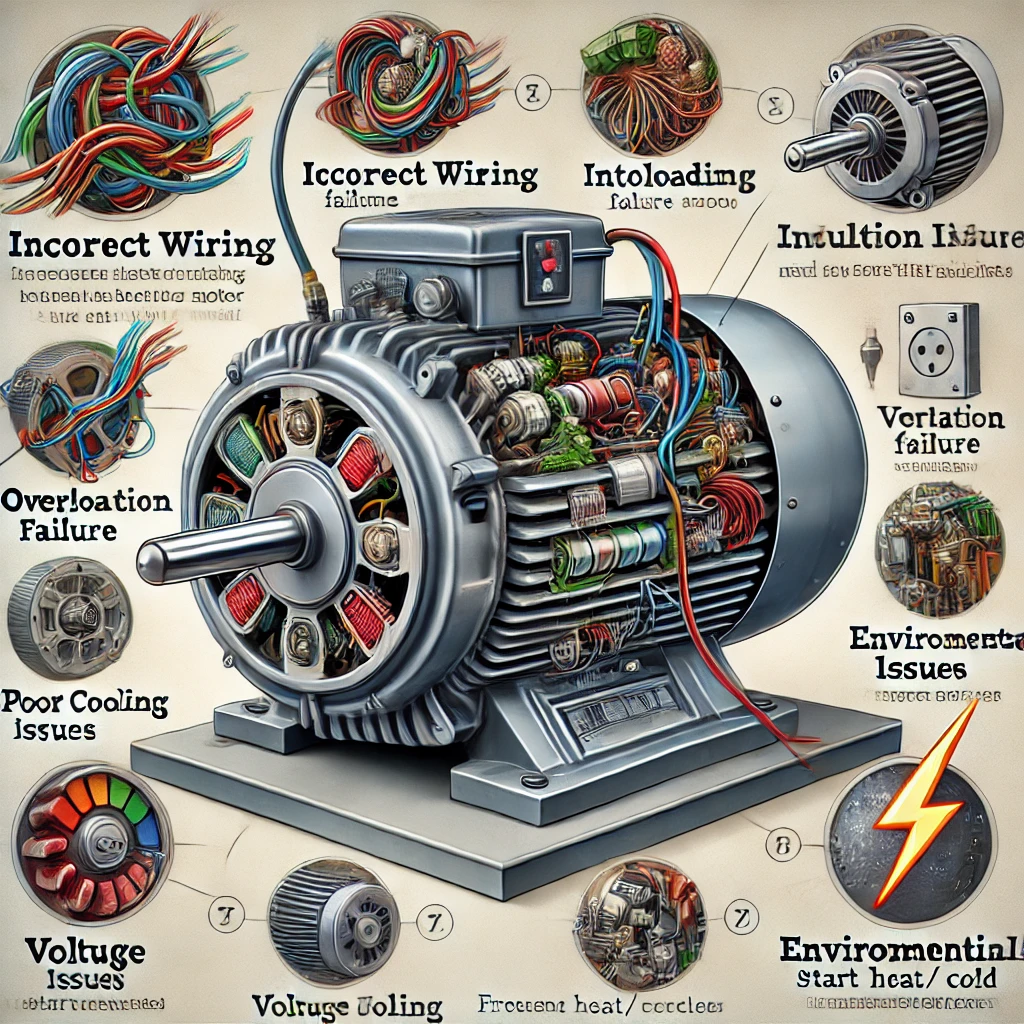
Bearing failures account for approximately 51% of all motor breakdowns in industrial applications, making proper lubrication management and vibration monitoring critical components of preventive maintenance strategies. Industrial motor bearing failures typically manifest through increased operating temperatures, unusual noise patterns, and elevated vibration signatures that can be detected weeks before catastrophic failure occurs. High-quality synthetic lubricants specifically formulated for motor applications can extend bearing life by 3-5 times compared to conventional oils, while automated lubrication systems ensure consistent grease application without human error. Temperature monitoring systems integrated with bearing housings provide early warning indicators when thermal conditions exceed safe operating parameters, often indicating contamination, misalignment, or insufficient lubrication conditions. Professional motor maintenance programs incorporate ultrasonic analysis techniques to detect bearing deterioration in its earliest stages, enabling scheduled replacements during planned downtime rather than emergency repairs. Proper storage procedures for replacement motors prevent bearing damage from moisture ingress and vibration during transportation, while installation practices must ensure proper shaft alignment within 0.002 inches to prevent premature bearing wear and extend motor service life significantly.
Insulation Breakdown and Electrical System Failures
Electrical insulation deterioration represents the second most common cause of motor failures, often resulting from thermal stress, moisture contamination, voltage spikes, and chemical exposure that gradually degrade winding materials over time. Motor insulation resistance testing using megohm meters provides quantitative assessment of winding condition, with readings below manufacturer specifications indicating potential failure risks requiring immediate attention. High-efficiency motor designs incorporate premium insulation systems rated for higher temperature classifications, providing enhanced protection against thermal cycling and extending operational life in demanding applications. Power quality issues including voltage unbalance, harmonic distortion, and transient surges can accelerate insulation breakdown, requiring surge protection devices and power conditioning equipment to maintain stable electrical operating conditions. Variable frequency drive applications demand motors with inverter-duty insulation systems specifically designed to withstand high-frequency switching voltages that can cause corona discharge and premature insulation failure in standard motors. Environmental protection measures including motor enclosures rated for specific atmospheric conditions prevent moisture ingress and chemical contamination that attack insulation materials, while proper motor selection ensures compatibility with operating environment requirements.
Overheating Issues and Thermal Management Solutions
Motor overheating problems stem from inadequate ventilation, blocked cooling passages, excessive ambient temperatures, and overload conditions that exceed design thermal limits and accelerate component degradation throughout the motor assembly. Thermal protection systems including embedded temperature sensors and thermal overload relays provide critical safeguards against damaging temperature excursions, automatically shutting down motors before permanent damage occurs to windings and insulation systems. Energy-efficient motor cooling solutions incorporate enhanced ventilation designs, precision-balanced cooling fans, and optimized airflow patterns that maintain safe operating temperatures even under challenging environmental conditions. Regular cleaning schedules for motor cooling passages prevent debris accumulation that restricts airflow and causes localized hot spots, while infrared thermography inspections identify developing thermal issues before they result in motor failure. Motor load monitoring systems help prevent overheating by ensuring motors operate within rated capacity limits, while soft-start devices reduce thermal stress during startup sequences that traditionally impose maximum thermal loads on motor components. Advanced motor designs feature improved heat dissipation characteristics through optimized frame geometries and enhanced cooling fin arrangements that provide superior thermal performance in high-temperature applications.