
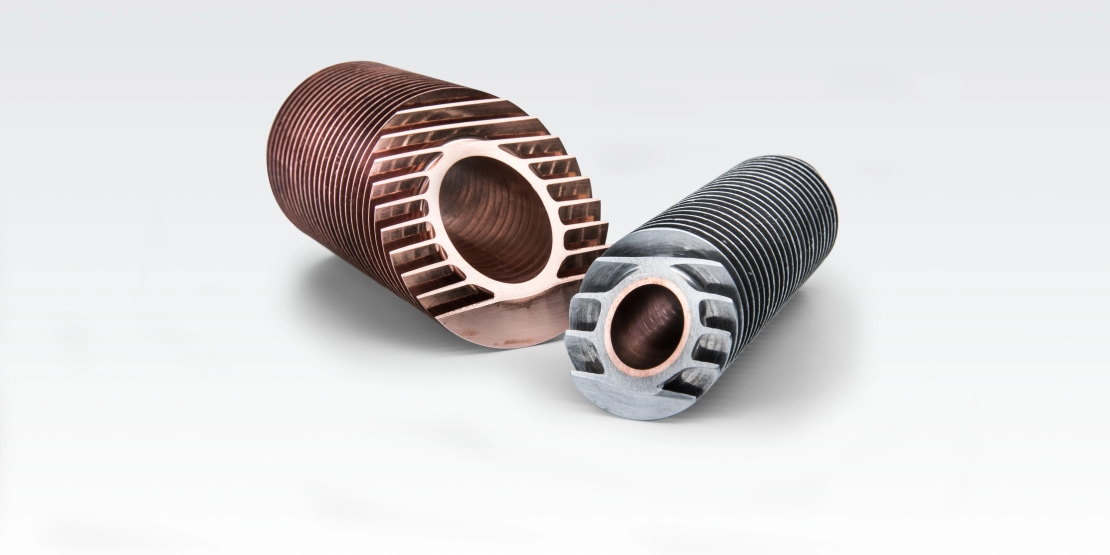
In the world of HVAC systems, Compact Finned Coils for Limited-Space Installations represent a game-changing innovation for urban environments where every square inch counts. These high-efficiency heat exchangers feature densely packed aluminum fins that maximize surface area while minimizing footprint, making them ideal for retrofitting older buildings or installing in tight spots like rooftop units and wall-mounted air handlers. Unlike traditional coils, compact finned designs incorporate micro-channel technology, which enhances thermal transfer rates by up to 30% and reduces refrigerant volume, aligning with modern sustainability goals. For HVAC engineers tackling space-constrained projects, these coils offer superior airflow dynamics, ensuring optimal cooling performance without the bulk of conventional setups. Modern compact coils also score points in terms of durability. Built from corrosion-resistant materials like copper and aluminum, they can withstand harsh conditions while maintaining long-term performance.
One unique aspect of Compact Finned Coils is their adaptive corrosion-resistant coatings, such as epoxy or hydrophilic treatments, which extend lifespan in harsh conditions like coastal humidity or industrial pollutants—factors often overlooked in standard installations. This durability translates to lower maintenance costs and fewer replacements, a boon for commercial facilities with Limited-Space HVAC challenges. Moreover, integrating smart sensors into these coils allows for real-time monitoring via IoT platforms, enabling predictive maintenance that can cut energy consumption by 15-20% through precise fin cleaning alerts. As energy efficiency standards like SEER ratings climb, these coils stand out for their ability to achieve high COP values in compact forms, making them a top choice for eco-conscious retrofits in apartments and office towers.
When selecting Compact Finned Coils for Limited-Space Installations, consider their compatibility with variable refrigerant flow (VRF) systems, which amplify their efficiency in multi-zone setups. A lesser-known benefit is the noise reduction from streamlined fin spacing, dropping operational decibels by up to 5 dB compared to bulkier alternatives—crucial for residential applications where quiet performance matters. Installation pros appreciate the modular design, allowing easy access for servicing without major disassembly, which speeds up deployment in time-sensitive projects. Overall, these coils not only solve spatial dilemmas but also future-proof HVAC infrastructure against rising demands for green building certifications like LEED. Additionally, with the option of custom coil designs, engineers can tailor solutions to unique requirements—whether that means higher air conditioning efficiency, better refrigeration reliability, or optimized ventilation performance. This flexibility is driving demand across multiple industries, boosting their popularity as a go-to choice for smart, space-saving HVAC solutions.
When space is limited but cooling or heating demands remain high, compact finned coils provide an ideal solution. Designed with tightly packed fins and optimized airflow patterns, these coils deliver superior heat transfer efficiency even in installations where larger systems simply won’t fit. Their precision engineering ensures maximum thermal performance, making them perfect for HVAC systems in urban apartments, data centers, refrigeration units, or specialized industrial equipment where every inch of space matters. One of the biggest advantages of compact finned coils is their energy efficiency. By increasing the surface area available for heat exchange while maintaining a reduced footprint, they help lower operating costs without sacrificing performance. This makes them especially valuable for businesses focused on sustainability, ensuring reduced environmental impact alongside consistent temperature control. Furthermore, their lightweight and modular design allows for easier handling and faster installation, which is a huge benefit in projects where downtime must be minimized.