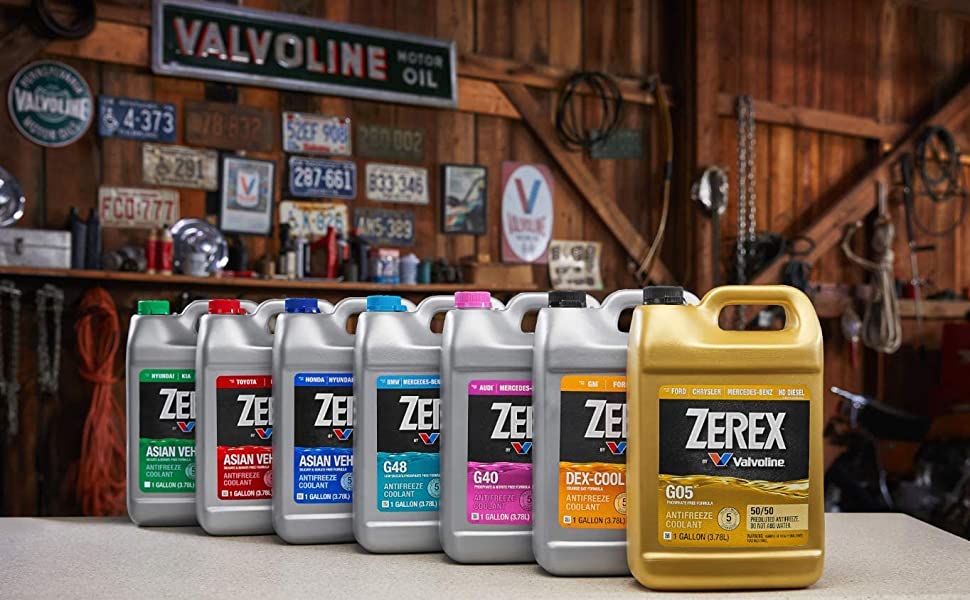
The coolant or fluid used in spindle chiller plays a vital role in ensuring machine accuracy, thermal stability, and longer equipment life. While components like compressors, evaporators, and pumps usually get the spotlight, the coolant itself is the heart of the spindle chiller system — responsible for absorbing heat from the spindle and transferring it efficiently to be dissipated.
The type of coolant used affects:
- Cooling efficiency
- Freezing protection
- Corrosion resistance
- Pump load and flow stability
Choosing the right fluid — and maintaining it correctly — is essential to ensure the spindle chiller performs at optimal levels. This guide explains the different coolants, their roles, risks, and maintenance practices to help you make informed decisions.
Why Coolant Is Critical in a Spindle Chiller
High-speed spindles (15,000–40,000 RPM) generate intense heat due to:
- Motor coil resistance
- High-friction bearings
- Continuous tool interaction with workpieces
A coolant ensures:
- Efficient heat absorption from spindle housing
- Stable operating temperature (commonly ±0.1°C)
- Transfer of heat to evaporator coil inside the chiller
- Prevention of hot spots and spindle deformation
- No freezing or corrosion inside pipes
A weak or wrong fluid leads to:
- Overheating
- Vibration in spindle
- Shortened chiller and spindle lifespan
- Higher electricity consumption due to reduced thermal conductivity
Types of Coolants Used in Spindle Chillers
Deionized Water (DI Water)
Features:
- Excellent thermal conductivity
- Ideal for heat-sensitive and cleanroom operations
Advantages:
- Leaves no mineral residue or scaling
- Non-conductive when freshly deionized
- Cost-effective if DI units are in-house
Disadvantages:
- Aggressive to metal surfaces over time (leaches ions)
- Must be monitored for conductivity levels to prevent corrosion
- Requires filtration and reionization every few months
Water + Ethylene Glycol Mix
Features:
- Common mix: 50% glycol + 50% water
Advantages:
- Excellent freeze protection (up to -30°C)
- Built-in corrosion inhibitors
- Protects against microbial growth when pre-mixed
- Good for year-round outdoor applications
Disadvantages:
- Toxic – requires careful handling
- Slightly less efficient heat transfer than water
Water + Propylene Glycol Mix
Features:
- Non-toxic alternative to ethylene glycol
- Food-grade and bio-friendly
Advantages:
- Safer for operators and environments (FDA-approved in some cases)
- Effective freeze protection
- Often used in pharma, food, and beverage manufacturing
Disadvantages:
- Higher viscosity (requires higher pump pressure)
- Lower thermal conductivity than ethylene glycol
Dielectric Fluids
Features:
- Non-conductive and chemically stable fluids
Advantages:
- Prevents short circuits in EDMs, laser chillers, and servo applications
- High stability, low volatility
- Often synthetic-based or fluorinated liquids
Disadvantages:
- Expensive
- Lower cooling efficiency compared to water-glycol
- Limited availability
Pre-Mixed Industrial Coolants
Custom coolants by OEMs (e.g., DowFrost™, Dynalene™, Paratherm™) come with:
- Biocides to prevent algae
- Corrosion inhibitors for copper, steel, and aluminum
- Pre-blended glycol ratios
- Anti-foaming agents
These coolants are engineered for long life, wide temp range, and multi-metal protection.
The coolant or fluid used in spindle chiller is not merely a circulating liquid—it is the functional backbone of the entire cooling system. Its performance directly determines how well your spindle maintains its precision, how long your equipment lasts, and how efficiently your system handles temperature variations during high-speed machining.
Choosing the right fluid—be it deionized water for cleanliness, glycol blends for temperature extremes, or dielectric fluids for electronic safety—must be guided by your machine environment, application type, and operating temperature range. Each fluid type carries specific thermal transfer capabilities, viscosity levels, and compatibility with system materials like copper, stainless steel, and aluminum.