
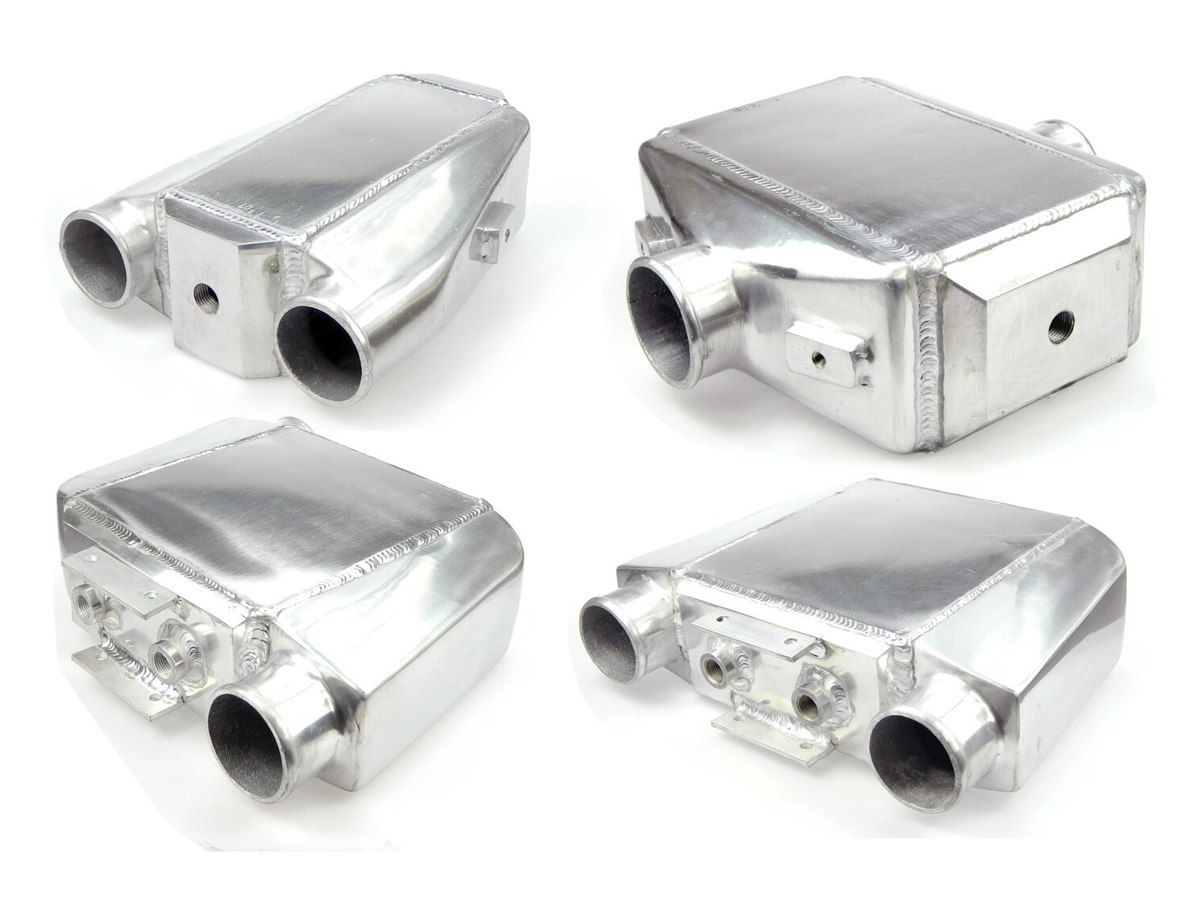
Inter coolers are crucial components in multi-stage compressors, helping to reduce the temperature of compressed air or gas between compression stages. The choice of cooling medium directly affects the efficiency, maintenance requirements, and operational costs of the system. The three most common cooling mediums—water, oil, and air—each offer unique benefits and limitations.
1. Water-Cooled Inter Coolers
Water is one of the most effective cooling mediums due to its high thermal conductivity.
Advantages:
- High heat transfer efficiency
- Consistent cooling performance
- Suitable for large industrial compressors
Limitations: - Requires a water source and treatment to avoid scaling and corrosion
- More complex installation and maintenance
Best for: Heavy-duty, continuous operation systems where maximum efficiency is required.
2. Oil-Cooled Inter Coolers
Oil cooling is common in systems where lubricating oil is already part of the process.
Advantages:
- Dual purpose: cooling and lubrication
- Suitable for oil-injected compressors
- Reduces risk of corrosion
Limitations: - Lower cooling efficiency compared to water
- Oil contamination in air if not properly separated
Best for: Oil-lubricated compressors where space and simplicity are important.
3. Air-Cooled Inter Coolers
Air-cooled designs use ambient air to remove heat, typically with the help of fans.
Advantages:
- No need for water supply or oil circuit
- Easy to install and maintain
- Lower operational costs in dry climates
Limitations: - Less effective in hot or humid environments
- Larger footprint compared to water-cooled units
Best for: Small to medium compressors and portable systems in areas with favorable climate conditions.
Choosing the Right Cooling Medium
The optimal cooling medium for your inter cooler depends on:
- Application type (continuous vs intermittent operation)
- Climate conditions
- Space availability
- Maintenance capabilities
A well-chosen cooling medium ensures improved compressor performance, reduced energy costs, and longer equipment life.