
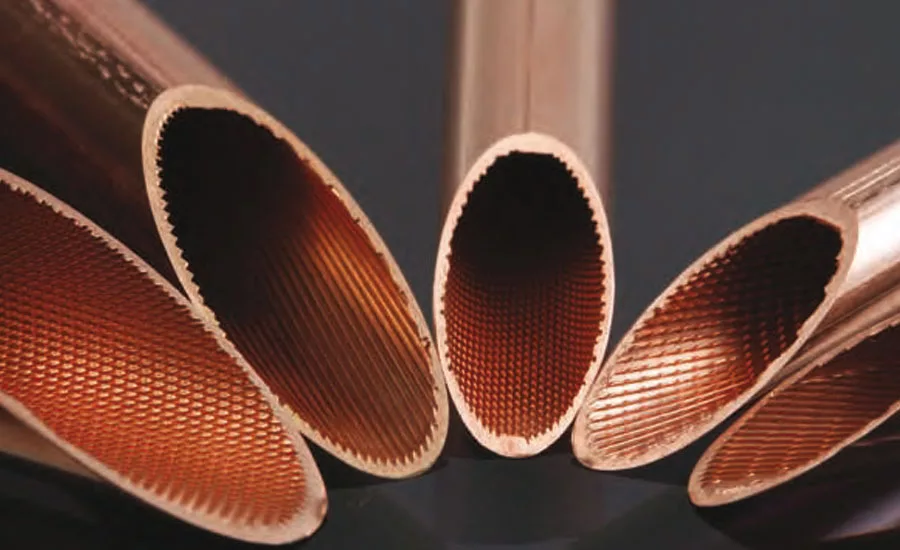
Fin tube coils play a critical role in refrigeration and cooling systems, but one of the challenges they face is frost accumulation during operation. Frost build-up reduces heat transfer efficiency, restricts airflow, and increases energy consumption. To counter this, manufacturers integrate specific design features in fin tube coils that improve defrosting efficiency, ensuring consistent performance and longer system life. One key feature is the use of optimized fin spacing. Wider fin spacing helps reduce frost bridging, allowing air to circulate even during frost formation. This not only slows down the rate of ice accumulation but also makes the defrost cycle more effective and shorter in duration. Another important design element is the fin surface treatment – hydrophilic or anti-frost coatings on fins help prevent ice from sticking firmly, which makes the defrosting process smoother and more energy-efficient.
Additionally, tube circuitry design plays an important role. Proper coil circuiting ensures uniform refrigerant distribution, which reduces cold spots where frost tends to accumulate faster. In some designs, defrost heaters are strategically placed along the coil surface to evenly melt ice, while high-conductivity materials like aluminum fins allow rapid heat transfer during defrosting. This ensures minimal downtime and prevents excessive strain on the system. Modern fin tube coils are also designed with angled fin geometry and airflow optimization. This helps improve condensate drainage during defrost cycles, preventing water refreezing on the coil surface. By incorporating these design advancements, fin tube coils not only provide reliable cooling performance but also minimize defrost time, energy waste, and operational costs.
In conclusion, innovative design features such as wider fin spacing, advanced coatings, optimized tube circuitry, and improved airflow management greatly enhance the defrosting process in fin tube coils. These improvements ensure better system reliability, lower maintenance needs, and greater energy savings for industries that rely on uninterrupted cooling, such as cold storage, food processing, and pharmaceuticals.