
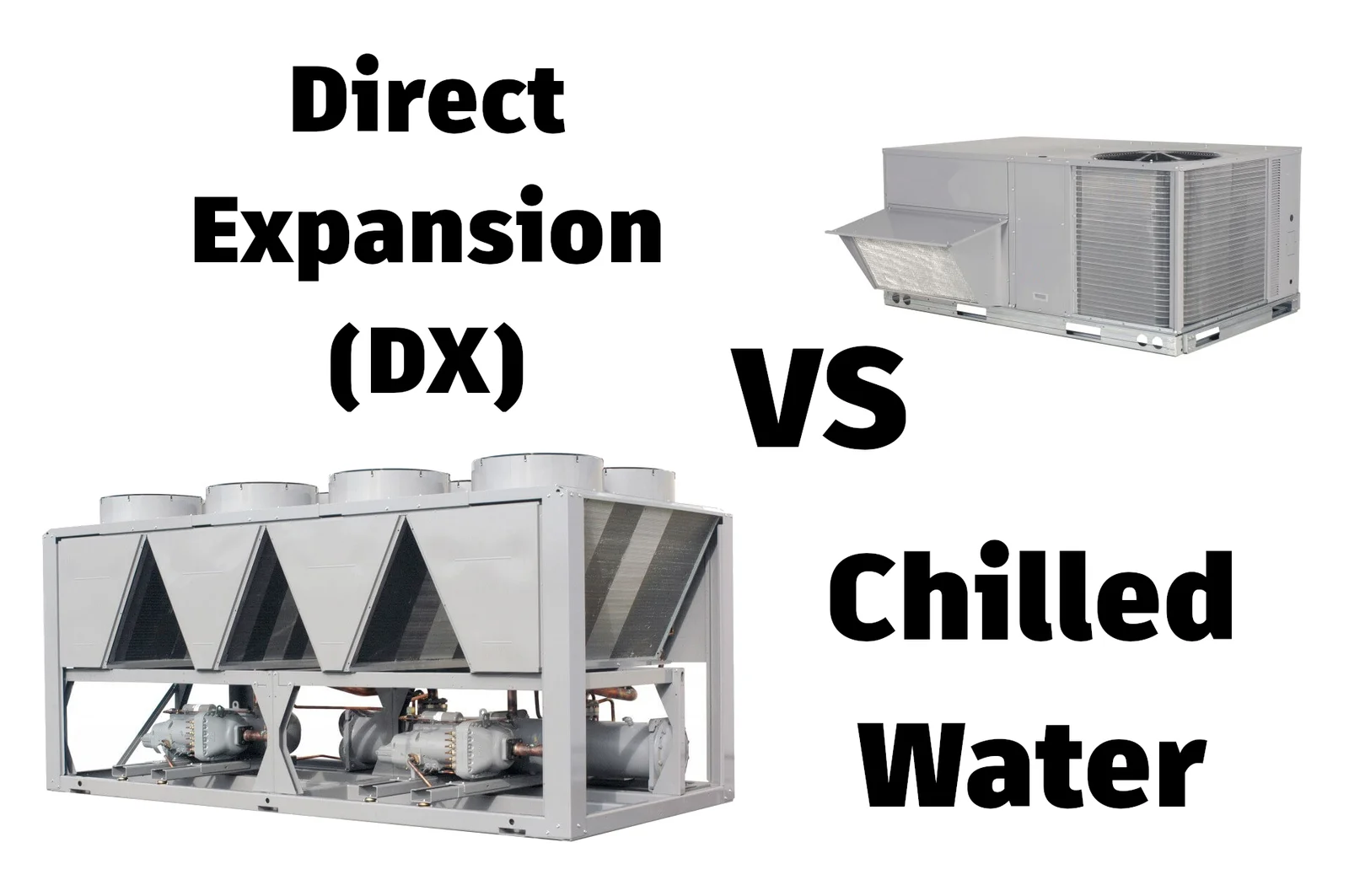
In modern Air Handling Units (AHUs), selecting the appropriate coil type is essential for efficient cooling and energy management. Two of the most commonly used coils are chilled water (CW) coils and direct expansion (DX) coils, each with distinct advantages and applications. Chilled water coils circulate cooled water through the coil, which absorbs heat from the air passing over it, making them ideal for large commercial buildings, industrial facilities, and central chilled water systems. They are highly efficient for handling high air volumes and offer flexibility in system design, allowing the integration of variable flow and centralized cooling plants.
On the other hand, DX coils use refrigerant that directly absorbs heat from the air, offering a compact and self-contained solution suitable for smaller spaces or packaged HVAC units. DX coils provide rapid cooling, precise temperature control, and are simpler to install for standalone systems, but they are generally less flexible for large-scale applications compared to chilled water coils. The choice between CW and DX coils also depends on factors such as energy efficiency, maintenance requirements, initial installation cost, and space constraints. Understanding these differences helps engineers and facility managers optimize AHU performance, achieve efficient thermal management, and reduce operational costs across commercial, industrial, and institutional buildings.