
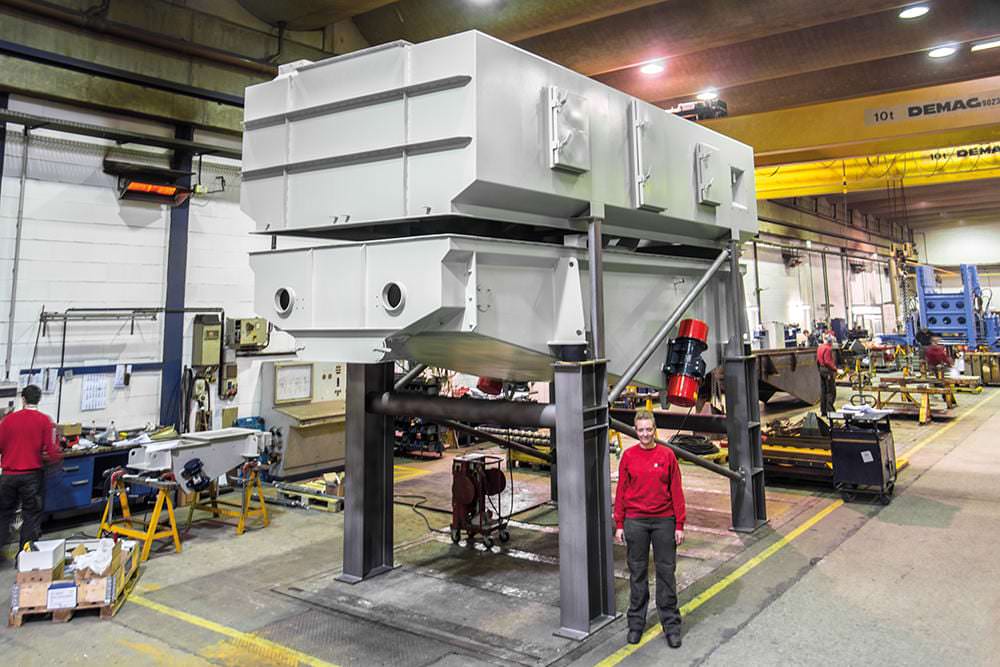
In the modern foundry, energy efficiency is not only a goal but a necessity. With increasing pressure to reduce carbon footprints and operational costs, energy-efficient designs in foundry sand coolers have become a focal point for manufacturers. Foundry sand coolers are essential in the casting process, as they rapidly reduce the temperature of molten sand after casting. Traditional sand coolers, while effective, often consume excessive energy. Implementing energy-efficient designs can drastically cut energy consumption, reduce costs, and enhance sustainability. In this blog post, we will explore some unique aspects of energy-efficient foundry sand coolers and provide a list of high-ranking keywords to optimize your content. The pursuit of energy-efficient designs in foundry sand coolers has moved from a niche consideration to a central pillar of modern, sustainable manufacturing. Traditional cooling methods often consume vast amounts of electricity and water, leading to high operational costs and a significant carbon footprint. Today’s innovative cooler designs prioritize thermal efficiency through advanced engineering principles like regenerative heat exchange, where waste heat from the hot sand is captured and pre-heated incoming air or water for other plant processes. The integration of variable frequency drives (VFDs) on motors for fans and conveyors allows for precise speed control, matching energy consumption exactly to the cooling demand rather than running at full capacity continuously. This intelligent approach not only slashes energy bills but also aligns with corporate sustainability goals and stringent environmental regulations, making energy-efficient sand coolers a critical investment for forward-thinking foundries.
One of the most groundbreaking advancements in energy-efficient foundry sand coolers is the use of regenerative cooling systems. Unlike conventional coolers that use continuous airflow to cool the sand, regenerative cooling systems store and reuse cold air. These systems work by passing the hot air through a heat exchanger where it is cooled and then recirculated. This process significantly reduces the amount of fresh air needed, thereby lowering energy consumption. Regenerative coolers can achieve energy savings of up to 40% compared to traditional coolers. Another innovative design is the use of phase change materials (PCMs). PCMs absorb heat during the casting process and release it slowly over time, effectively maintaining a cooler environment for the sand. These materials can be integrated into the cooler’s design, ensuring that the sand is cooled efficiently without the constant need for external energy input. At the heart of modern energy-efficient coolers are technologies that maximize heat transfer while minimizing power input. Fluidized bed coolers, for instance, have been re-engineered with optimized air distribution plates and advanced cyclonic dust collection to reduce pressure drop, thereby lowering the horsepower required for the air-moving equipment. Another unique advancement is the development of hybrid cooling systems that intelligently switch between evaporative and dry-air cooling based on ambient temperature and humidity, ensuring peak efficiency year-round. Furthermore, the implementation of predictive maintenance sensors and AI-driven control systems can analyze real-time data on sand temperature, moisture content, and flow rate to dynamically adjust cooling parameters. This level of automation prevents over-cooling, reduces equipment wear-and-tear, and ensures the sand exits the cooler at the precise optimal temperature, enhancing both energy savings and final casting quality.
In addition to advanced cooling mechanisms, the design of the cooler itself plays a crucial role in energy efficiency. Modern energy-efficient sand coolers are designed with optimized airflow paths. By carefully engineering the internal structure of the cooler, manufacturers can ensure that air flows in the most efficient manner, reducing turbulence and dead zones where heat can get trapped. This optimization not only improves cooling efficiency but also reduces the overall energy required to achieve the desired sand temperature. Furthermore, the incorporation of variable frequency drives (VFDs) in fan systems is proving to be highly effective. VFDs allow the fan speed to be adjusted based on the current cooling requirements. During periods of lower demand, the fan speed can be reduced, which in turn lowers energy consumption without compromising cooling performance. While the initial capital outlay for high-efficiency sand cooling equipment can be higher than conventional systems, the return on investment (ROI) is compelling and often realized within a few years. The primary savings come from drastically reduced electricity and water consumption, which can account for a substantial portion of a foundry’s utility expenses. Beyond direct cost savings, these systems contribute to a lower plant-wide carbon intensity, which is increasingly valuable for companies facing carbon taxes or seeking to enhance their ESG (Environmental, Social, and Governance) profiles. By adopting energy-efficient cooling designs, foundries not only gain a competitive edge through lower production costs but also position themselves as leaders in sustainable metal casting, attracting environmentally conscious clients and investors. The convergence of economic and ecological benefits makes the transition to energy-efficient sand coolers an undeniable strategic imperative for the future of the foundry industry.
Another noteworthy development is the integration of solar power into foundry sand cooler systems. Solar panels can be installed on the roof of foundry buildings to generate clean, renewable energy that can be used to power sand coolers. This not only reduces reliance on grid electricity but also significantly cuts down on operational costs. Some advanced systems even use smart sensors and IoT technology to monitor and control the cooling process in real-time. These smart coolers can adjust their operations based on real-time data, ensuring optimal energy usage. Sensors can detect the temperature of the sand, the ambient temperature, and even predict cooling times, allowing for pre-emptive adjustments that enhance energy efficiency.