
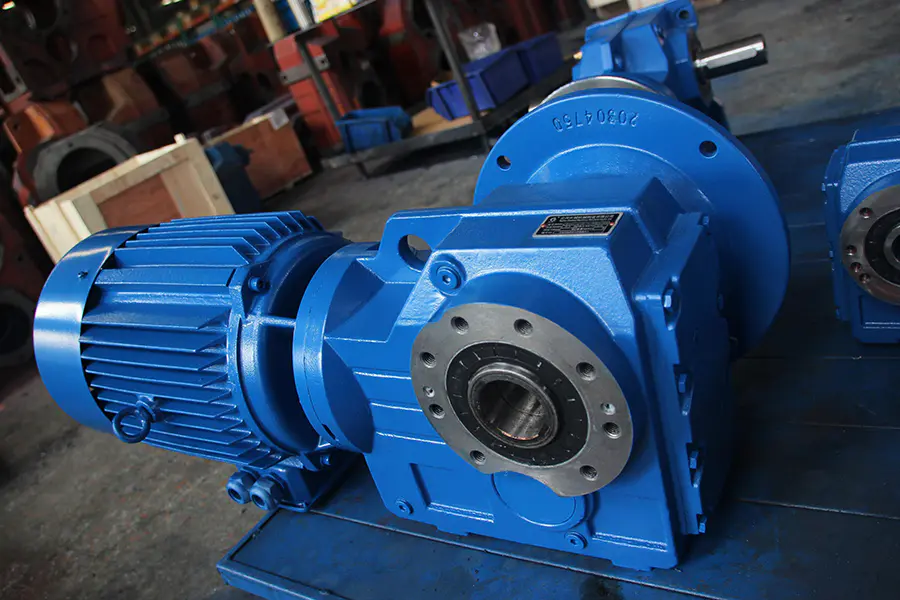
Advanced Motor Technologies Revolutionizing Cooling Efficiency
Energy-saving motors incorporating permanent magnet synchronous technology and electronically commutated designs deliver up to 15% higher efficiency compared to traditional induction motors, translating to substantial operational cost reductions in cooling tower applications. High-efficiency cooling tower motors equipped with rare earth magnetic materials maintain consistent torque characteristics across variable speed ranges while consuming significantly less electrical power during partial load operations. Modern motor designs feature optimized rotor geometries and precision-wound stator configurations that minimize electrical losses, reduce heat generation, and extend equipment lifespan through improved thermal management characteristics. Variable frequency drive compatibility ensures seamless integration with building automation systems, enabling intelligent speed control that automatically adjusts cooling capacity based on real-time thermal loads and ambient conditions. Premium efficiency motor classifications including IE4 and IE5 ratings provide measurable energy savings that often justify higher initial investments within 18-24 months through reduced utility costs. Smart motor technologies incorporate integrated sensors and communication capabilities that enable predictive maintenance scheduling while optimizing performance parameters through continuous monitoring of operating conditions and efficiency metrics.
Intelligent Control Systems and Energy Optimization Strategies
Sophisticated motor control algorithms automatically modulate cooling tower fan speeds to maintain precise temperature setpoints while minimizing energy consumption during varying load conditions throughout daily and seasonal cycles. Energy-efficient motor control systems feature advanced power factor correction capabilities that reduce reactive power demands and eliminate utility penalties commonly associated with large motor installations in industrial facilities. Demand response integration allows cooling tower motors to participate in utility load management programs, providing additional revenue streams while supporting grid stability during peak demand periods. Machine learning algorithms analyze historical performance data to predict optimal motor operating parameters, reducing energy consumption by up to 25% through predictive control strategies that anticipate cooling requirements. Smart grid connectivity enables real-time energy pricing optimization, automatically shifting cooling loads to off-peak hours when electricity rates are lowest while maintaining required process temperatures. Motor efficiency monitoring systems provide continuous feedback on energy performance, identifying degradation trends that may indicate maintenance needs or opportunities for further optimization through control system adjustments.
Economic Benefits and Return on Investment Analysis
Energy-saving motors in cooling tower applications typically generate annual electricity cost savings of $2,000-15,000 per motor depending on size, operating hours, and local utility rates, creating compelling financial justification for facility upgrades. Life cycle cost analysis demonstrates that premium efficiency motors deliver 20-40% lower total ownership costs compared to standard efficiency alternatives when factoring energy savings, reduced maintenance requirements, and extended operational life. Utility rebate programs and tax incentives for high-efficiency motor installations can offset 15-30% of initial equipment costs, significantly improving return on investment calculations for energy retrofit projects. Carbon footprint reduction achieved through energy-saving motors contributes to corporate sustainability goals while potentially qualifying facilities for green building certifications and environmental compliance credits. Financing options including energy service company partnerships enable immediate installation of efficient motors with payments structured from guaranteed energy savings, eliminating upfront capital requirements. Performance contracting arrangements provide risk mitigation through guaranteed energy savings backed by comprehensive monitoring and maintenance programs that ensure optimal motor performance throughout the contract period.