
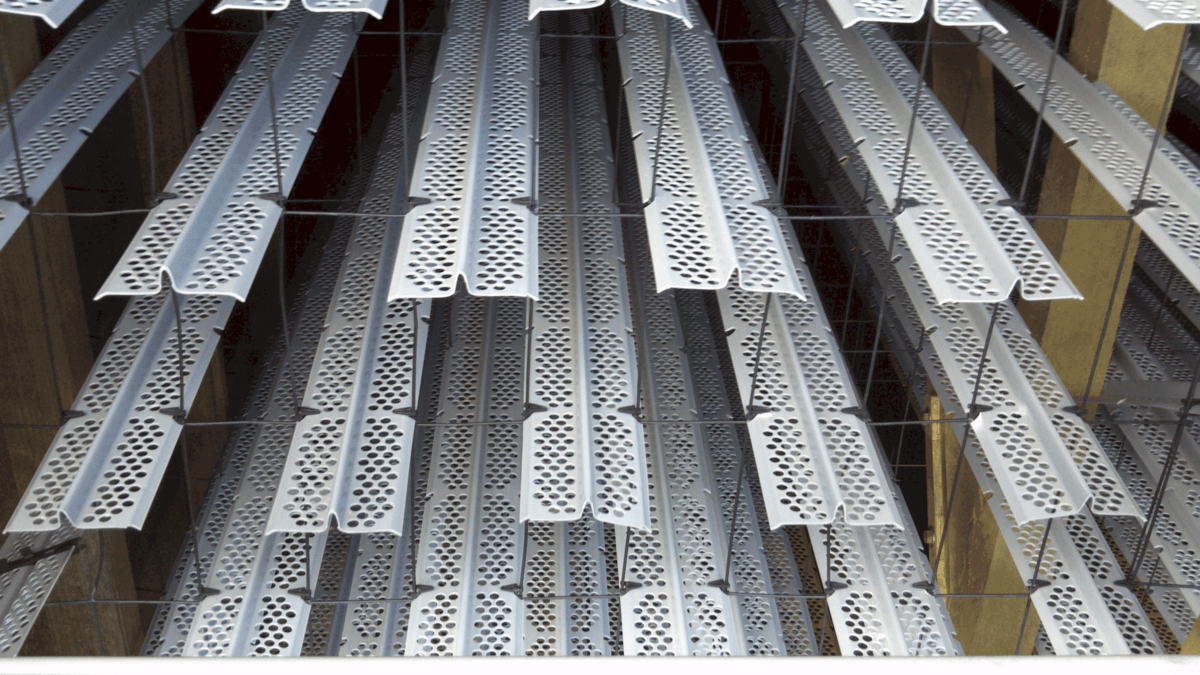
Fill media is the core heat transfer medium in square type cooling towers. It provides the extended surface area where hot process water spreads and comes into direct contact with upward-moving air. In square towers, the fill design must ensure even water distribution across the large, rectangular footprint while maintaining low airflow resistance. Selecting the right fill media not only affects thermal performance but also impacts maintenance needs, water quality requirements, and tower longevity. Here’s an in-depth look at the unique aspects of fill media used in square type cooling towers.
Film Fill: Maximizing Thermal Performance
Film fill is the most commonly used fill media in square cooling towers where the circulating water is relatively clean and low in suspended solids.
- Design: Consists of thin PVC or polypropylene sheets, thermoformed or corrugated, stacked vertically or horizontally. As water flows over these sheets, it spreads into a thin film, greatly increasing the heat transfer surface area.
- Flute Geometry: The “flute” refers to the repeating wave pattern on the sheets. Smaller flute sizes (e.g., 12–19 mm) improve thermal performance but are more prone to clogging. Larger flute designs (e.g., 27–30 mm) balance fouling resistance with good performance.
- Efficiency: Film fill provides the highest heat transfer efficiency among fill types and is used extensively in HVAC, power plants, and clean process cooling.
Splash Fill: Handling Dirty Water Applications
Splash fill breaks falling water into droplets by letting it impact horizontal or vertical grids, bars, or slats.
- Design: Typically built from plastic or wood bars arranged in offset layers to break up water flow and maximize droplet formation.
- Advantages: Resistant to fouling, scaling, and biological growth. Well-suited for applications with poor water quality, high suspended solids, or where cleaning cycles are infrequent.
- Thermal Trade-Off: Generally lower heat transfer efficiency compared to film fill but offers greater operational reliability in difficult water conditions.
3. Hybrid Fill Designs: Combining Benefits
Some square cooling towers utilize hybrid fills — combining sections of film fill and splash fill in the same tower.
- Why? The top section can use film fill to achieve high initial cooling while the lower section uses splash fill to resist fouling where particulate load accumulates.
- Benefit: This hybrid approach provides balanced performance and reliability, reducing maintenance intervals while maintaining acceptable cooling efficiency.
Advanced Materials and Additives
Modern fill media materials have evolved beyond standard PVC sheets:
- UV Stabilization: Newer formulations include UV inhibitors that resist sunlight degradation, extending fill lifespan.
- Flame Retardants: For facilities with stringent fire codes, flame-retardant additives reduce risk and improve compliance.
- Antimicrobial Properties: Some fills include biocides embedded in plastic resin to reduce bacterial and algal growth, which can impede heat transfer.
Modular Fill Pack Design
One unique feature of square towers is the modular panel-based fill system, which offers:
- Ease of Replacement: Damaged or clogged packs can be removed individually without shutting down the entire tower.
- Reduced Downtime: Towers with side panel access allow quick inspection and cleaning, particularly valuable in continuous process plants.
- Better Fit: Fill packs are precisely cut to fit rectangular tower cells, minimizing bypass air gaps and ensuring uniform water distribution.
Tailored Fill Geometry for Tower Type
Manufacturers engineer fill pack designs specifically for square tower configurations:
- Crossflow Towers: In crossflow square towers, water flows vertically while air flows horizontally across the fill. These towers often use gravity-fed film fill basins, where fill packs are optimized for low air resistance and uniform air distribution.
- Counterflow Towers: Here, both air and water move vertically in opposite directions. Fill packs for counterflow towers often have thicker, denser sheets to withstand higher static pressure and allow effective water spread with minimal drift loss.
The fill media used in square type cooling towers is a critical element that determines not just the cooling performance but also the tower’s resilience against fouling, maintenance demands, and operational longevity. With advances in materials, hybrid fill strategies, and modular design approaches, modern square towers can be tailored precisely to each facility’s water quality, thermal load, and environmental needs — ensuring efficient, reliable, and cost-effective cooling over many years of operation.