
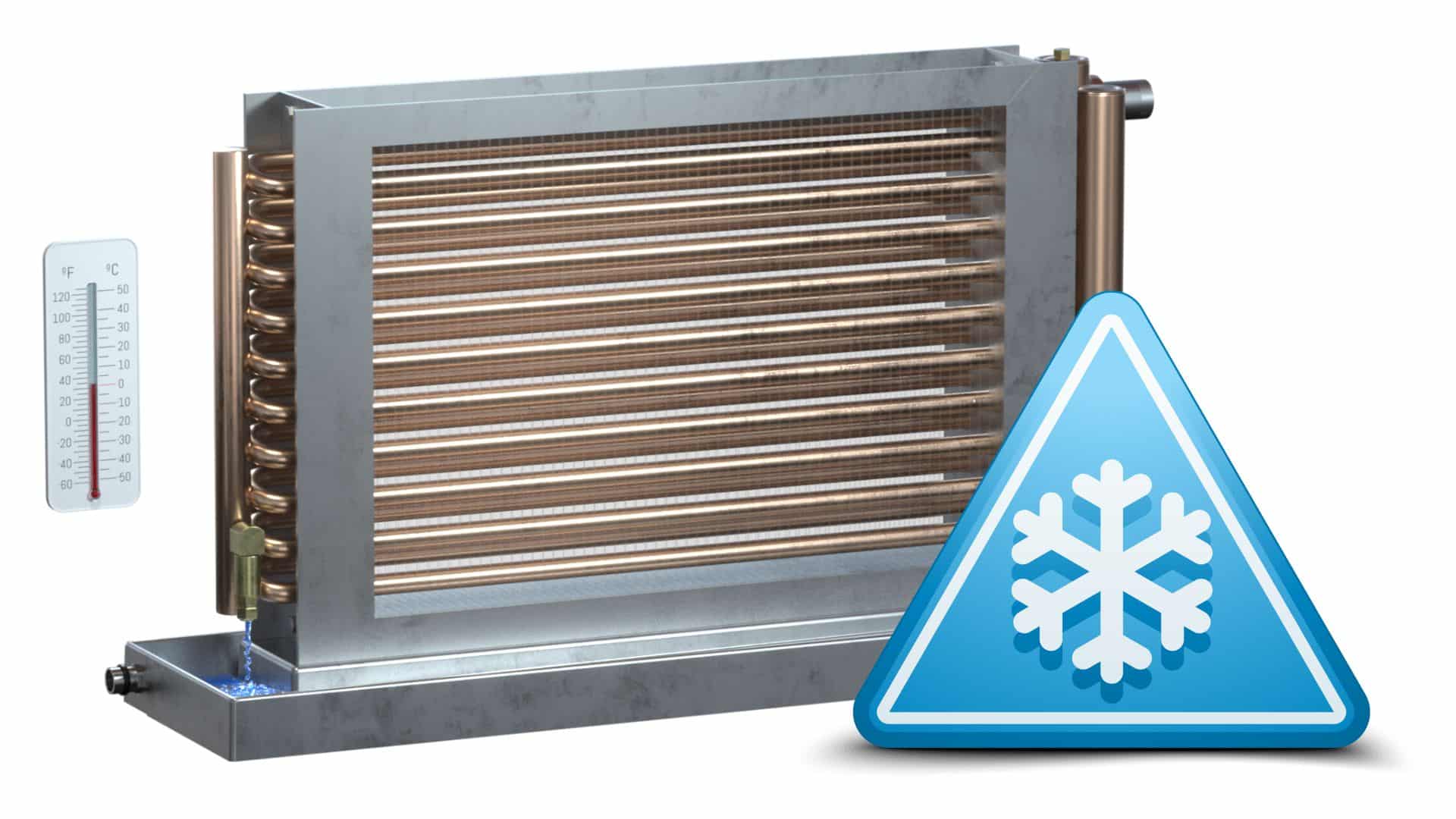
Ensuring effective freeze protection for outdoor hot water coils is crucial for maintaining HVAC system integrity during harsh winter conditions, especially in regions prone to sub-zero temperatures. One unique approach involves integrating smart sensors that monitor ambient temperatures and automatically activate heat tracing tapes, preventing coil freeze damage before it occurs. By incorporating high-ranking keywords like “outdoor HVAC freeze prevention” and “winter coil insulation techniques,” homeowners and facility managers can optimize their systems for energy efficiency while avoiding costly repairs from burst pipes. Additionally, using glycol-based antifreeze solutions in the coils not only inhibits freezing but also enhances overall system performance, making it a go-to strategy for “hot water coil freeze protection” in commercial buildings. Outdoor hot water coils are crucial for HVAC systems, but freezing temperatures can cause costly damage. To prevent freeze-ups, ensure proper insulation around the coils and pipes. Use heat trace cables with a built-in thermostat to maintain optimal temperatures. Additionally, consider installing a low-temperature cut-off switch to shut down the system if temperatures drop dangerously low. Regular maintenance, including checking for leaks and ensuring proper water flow, is key to avoiding winter-related failures.
Another innovative tip is to employ automated drainage systems that purge water from the coils when temperatures drop below a safe threshold, reducing the risk of ice expansion that leads to “coil freeze damage repair” expenses. This method stands out for its low-maintenance appeal, particularly when combined with reflective insulation wraps that trap residual heat, ensuring “freeze-proof outdoor heating systems” remain operational. For those searching for “winterizing hot water coils,” remember to conduct regular inspections for leaks or weak points, as even minor vulnerabilities can escalate into major issues during prolonged cold snaps, emphasizing proactive “HVAC winter maintenance” practices. Another effective strategy is to use a glycol-based antifreeze solution in the system, especially in extreme climates. This lowers the freezing point of the water, reducing the risk of ice formation. If your system relies on recirculation, keep the pump running during cold spells to prevent stagnation. For added protection, install wind barriers or enclosures to shield the coils from harsh winds, which accelerate heat loss.
Finally, integrating renewable energy sources like solar-powered heaters can provide a sustainable layer of “freeze protection for HVAC coils,” minimizing reliance on traditional electric heat tracing and aligning with eco-friendly trends. This unique fusion of technology and green solutions not only safeguards against “outdoor coil freezing prevention” but also boosts search visibility for terms like “energy-efficient coil protection.” By adopting these strategies, you can achieve robust “hot water system freeze safeguards,” ensuring reliability and longevity for your outdoor setups throughout the winter season. Automated freeze protection controls, such as thermostatically activated valves, can provide an extra layer of security. These systems detect temperature drops and trigger preventive measures without manual intervention. Pairing these with remote monitoring allows real-time alerts, ensuring quick action before damage occurs. Remember, proactive measures are far cheaper than repairing burst pipes or replacing frozen coils.