Introduction
General HVAC and Industry are integral to modern industrial operations, playing a crucial role in maintaining optimal environmental conditions for both machinery and personnel. HVAC systems in industrial settings are not only responsible for controlling temperature and humidity but also for ensuring air quality, worker safety, and equipment efficiency. Whether it’s a manufacturing facility, a pharmaceutical plant, or a data center, HVAC systems are vital in creating a conducive atmosphere that supports productivity, health, and operational success. As industries face growing demands for energy efficiency and sustainability, HVAC technologies continue to evolve, integrating advanced solutions to optimize performance while minimizing environmental impact.
Key Components of HVAC Systems in Industry
Heating Systems
- Boilers: Boilers are widely used in industrial settings for heating water or producing steam for space heating or industrial processes.
- Furnaces: Industrial furnaces provide heating for large spaces or critical processes, operating at higher temperatures than typical residential models.
- Heat Pumps: In some industries, heat pumps are used to move heat from one place to another, efficiently providing heating or cooling depending on the need.
Ventilation Systems
- Exhaust Systems: These systems are critical in industrial environments, removing heat, moisture, and contaminants from the air to maintain a safe working environment.
- Air Handling Units (AHUs): AHUs control the circulation of air within industrial buildings and are key to maintaining air quality by filtering, heating, or cooling the air before it’s distributed throughout a facility.
- Ductwork: Ducts are used to distribute heated or cooled air throughout industrial buildings, connecting HVAC systems to the different areas.
Cooling Systems
- Air Conditioners: Large industrial air conditioning units are essential for cooling large facilities and maintaining the required indoor temperature.
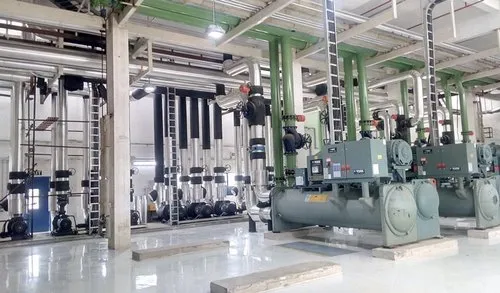
- Chillers: Industrial chillers use refrigeration technology to cool large volumes of water or air, which is then used for temperature control in various industrial applications.
- Cooling Towers: Cooling towers are used in industrial settings to remove heat from water-cooled systems, crucial for processes such as cooling in power plants or manufacturing processes.
Control Systems
- Thermostats: Thermostats monitor and regulate the temperature in HVAC systems, ensuring consistent and precise control in industrial environments.
- Building Management Systems (BMS): Advanced control systems that allow monitoring and managing HVAC components, energy consumption, and environmental factors in large industrial buildings General HVAC and Industry.
- Sensors and Actuators: These components monitor air quality, temperature, and humidity, adjusting system operations to maintain optimal conditions.
Importance of HVAC in Industrial Settings
Temperature Control
- Industrial operations often involve machinery, products, and materials sensitive to temperature fluctuations. HVAC systems ensure that environments are kept at the correct temperature to prevent equipment failure, product damage, or safety hazards General HVAC and Industry.
- Whether in manufacturing, pharmaceuticals, or food production, HVAC systems play a key role in providing the precise climate required for different processes.
Air Quality and Ventilation
- In industrial settings, air quality is crucial to the health and safety of workers. HVAC systems ensure that contaminants such as dust, fumes, or gases are properly filtered and ventilated.
- Industries like mining, chemicals, and pharmaceuticals require specialized ventilation to protect workers from toxic substances and ensure compliance with health and safety regulations.
Energy Efficiency
- HVAC systems are a significant part of energy consumption in industrial buildings. Optimizing the performance of HVAC systems can lead to substantial energy savings.
- Energy-efficient technologies like variable refrigerant flow (VRF) systems, heat recovery units, and energy management systems are widely used to reduce operational costs and improve sustainability.
Humidity Control
- Humidity levels must be controlled in many industrial applications to avoid corrosion, equipment malfunctions, or product degradation. HVAC systems help maintain stable humidity levels to protect both the infrastructure and the products being manufactured.
- This is particularly critical in industries such as electronics manufacturing, pharmaceuticals, and food production, where moisture control is essential.
Worker Comfort and Productivity
- Proper temperature and air quality regulation contribute to a comfortable and productive work environment. A comfortable work environment enhances worker concentration, General HVAC and Industry, reduces fatigue, and improves overall productivity in industries like office spaces, assembly lines, and factories.
HVAC Technologies in Modern Industry
Smart HVAC Systems
- The integration of Internet of Things (IoT) devices with HVAC systems allows real-time monitoring and remote control of HVAC operations. Smart HVAC systems optimize energy use and improve comfort levels by adjusting settings based on occupancy and environmental conditions.
Energy Recovery Ventilators (ERVs)
- ERVs recover energy from exhaust air and use it to precondition incoming fresh air. This reduces the energy required for heating or cooling fresh air, contributing to energy savings in large industrial settings.
Variable Refrigerant Flow (VRF)
- VRF systems allow for precise control of cooling and heating across different areas of an industrial facility, maximizing energy efficiency while providing optimal comfort. These systems can adjust cooling and heating based on the specific needs of each space.
Geothermal Heating and Cooling
- Geothermal systems use the earth’s stable underground temperature to heat and cool industrial facilities, reducing the need for traditional heating and cooling methods. This is a sustainable option for large industrial applications with consistent energy needs.
Applications of HVAC in Various Industries
Manufacturing
- In manufacturing plants, HVAC systems maintain optimal working conditions for both machinery and personnel. Proper ventilation and temperature control can reduce downtime, improve worker safety, and enhance the quality of the end products.
Pharmaceuticals
- HVAC systems in the pharmaceutical industry are essential for maintaining strict temperature and humidity control to ensure the quality and efficacy of drugs. Cleanroom HVAC systems are crucial to prevent contamination during the production and packaging of pharmaceuticals.
Food and Beverage
- HVAC systems in food processing and storage facilities ensure that proper temperatures are maintained, preventing spoilage and preserving the quality of food products. Cooling systems are also vital in maintaining controlled environments for food storage and packaging.
Data Centers
- Data centers rely heavily on HVAC systems to maintain ideal operating conditions for servers and equipment. Cooling is essential to prevent overheating and ensure continuous, reliable service in these critical infrastructure spaces.
Conclusion
HVAC systems are indispensable to the smooth and efficient functioning of industrial operations across a variety of sectors. From providing precise temperature control to ensuring proper ventilation, these systems enhance the safety, productivity, and comfort of both workers and machinery. The ongoing development of energy-efficient HVAC technologies ensures that industries can meet their operational demands while also reducing their environmental footprint. As industries continue to prioritize sustainability and efficiency, the role of HVAC systems will remain vital in driving operational success, improving workplace conditions, and supporting the long-term viability of industrial operations.