
Introduction
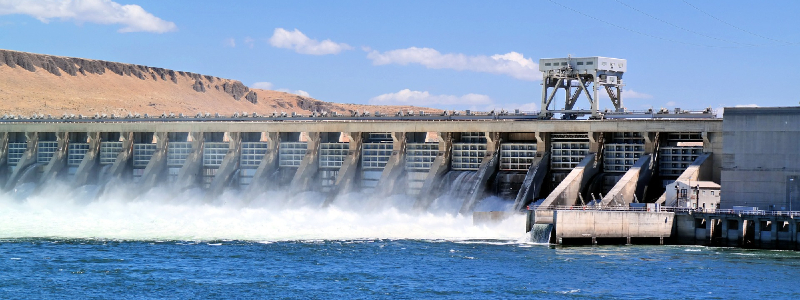
Harnessing hydropower for large-scale industrial cooling represents a significant shift towards sustainable energy solutions in modern manufacturing and processing sectors. As industries face increasing pressure to reduce their carbon footprints and comply with environmental regulations, hydropower emerges as a reliable and eco-friendly alternative to conventional cooling methods. Utilizing the natural flow of water, hydropower systems can provide efficient cooling solutions while minimizing reliance on fossil fuels. This innovative approach not only enhances energy efficiency but also supports industries in their pursuit of sustainability and operational cost reduction. By integrating hydropower into their cooling processes, businesses can achieve both economic and environmental benefits, paving the way for a greener future.
Advantages of Hydropower for Industrial Cooling
Sustainability: Hydropower is a renewable energy source that minimizes environmental impact. Utilizing water resources for cooling helps industries lower their carbon footprints and contribute to sustainability goals.
Cost-Effectiveness: Once established, hydropower systems can provide a cost-effective cooling solution. The operational and maintenance costs are typically lower compared to traditional cooling methods powered by fossil fuels.
Reliable Supply: Hydropower systems can deliver a consistent supply of cooling energy, ensuring that industrial processes remain uninterrupted. This reliability is particularly beneficial for industries that require continuous cooling, such as manufacturing and chemical processing.
Integration with Existing Infrastructure: Many industries are located near rivers, lakes, or other water bodies. Hydropower systems can often be integrated into existing infrastructure, making it easier to implement without significant additional investments.
Applications in Industry
Manufacturing: Industries such as steel, aluminum, and automotive rely heavily on cooling processes. Hydropower can efficiently provide the necessary cooling, reducing energy costs and enhancing production efficiency.
Food Processing: The food and beverage industry can benefit from hydropower cooling systems for refrigeration, preserving food quality, and reducing spoilage while complying with stringent food safety standards.
Data Centers: As data centers consume massive amounts of energy for cooling, hydropower can provide an environmentally friendly solution that ensures optimal operating conditions for servers while reducing energy costs.
Chemical Processing: Many chemical processes require precise temperature control. Hydropower can provide the necessary cooling power, enhancing process efficiency and product quality.
Challenges and Considerations
Site-Specific Feasibility: The feasibility of hydropower systems depends on the availability of suitable water resources. Not all locations may be conducive to implementing such systems.
Initial Investment: While operational costs may be lower, the initial investment for hydropower infrastructure can be significant. Industries must evaluate long-term savings against upfront costs.
Regulatory and Environmental Impact: Implementing hydropower solutions requires compliance with local regulations and environmental assessments. Ensuring that hydropower projects do not adversely affect local ecosystems is crucial.
Additional Points
Sustainable Resource Utilization: Hydropower is a renewable energy source, meaning it can be replenished naturally. This makes it a sustainable option for industries looking to maintain long-term cooling solutions without depleting resources or harming the environment.
Cost Efficiency: While the initial investment for hydropower infrastructure can be substantial, the long-term operational costs are often lower compared to traditional cooling methods. Hydropower systems can significantly reduce electricity bills, particularly in regions with abundant water resources.
Reduced Carbon Emissions: By using hydropower for cooling processes, industries can significantly decrease their carbon footprint. Unlike fossil fuel-based cooling systems, hydropower generates energy with minimal greenhouse gas emissions, contributing to climate change mitigation. Harnessing hydropower
Reliability and Stability: Hydropower systems are known for their reliability and consistent energy output. This stability is crucial for industrial cooling applications, which require continuous operation to ensure optimal process performance and prevent equipment overheating.
Water Management Benefits: Implementing hydropower in industrial cooling can lead to better water management practices. Industries can use excess water from hydropower generation for cooling purposes, thus reducing waste and optimizing resource usage.
Integration with Existing Infrastructure: Many industries already have water sources available for cooling. By integrating hydropower technology into existing cooling systems, companies can enhance efficiency without the need for extensive new infrastructure.
Support for Local Economies: Hydropower projects can create jobs and stimulate local economies. When industries invest in hydropower for cooling, they can contribute to the development of renewable energy projects, benefiting the community and fostering a greener economy.
Flexibility and Scalability: Hydropower systems can be scaled to meet the specific needs of different industries. Whether it’s for small manufacturing plants or large industrial complexes, hydropower can be tailored to provide the required cooling capacity.
Conclusion
Harnessing hydropower for large-scale industrial cooling offers a sustainable and cost-effective solution for various industries. By integrating this renewable resource into their operations, companies can significantly reduce their carbon footprints and operational costs while benefiting from reliable cooling. As technology advances and more industries prioritize sustainability, hydropower is poised to play a crucial role in the future of industrial cooling systems.