Hydraulic systems are the backbone of many industries, from construction and mining equipment to industrial machinery and power generation units. However, these systems generate a large amount of heat due to constant pressure, friction between moving components, and fluid flow resistance. If this heat is not managed properly, it can lead to issues like hydraulic oil breakdown, seal damage, reduced lubrication, and premature wear of pumps and motors. To avoid these failures, air blast oil coolers are widely used as a reliable, low-maintenance solution for keeping hydraulic oil within safe operating temperatures.
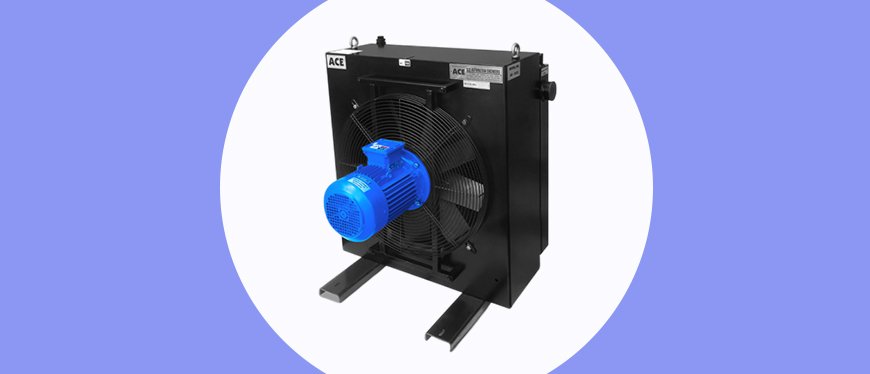
The operating principle of an air blast oil cooler is simple yet highly effective. Heated hydraulic oil is circulated through a series of finned tubes or coils, which are designed to maximize surface area for better heat transfer. High-efficiency fans then force ambient air across the finned surface, carrying away the heat and lowering the oil temperature before it re-enters the system. Unlike water-based cooling systems, air blast oil coolers do not require a water source or plumbing infrastructure, making them ideal for remote locations and mobile equipment like excavators, forestry machines, and agricultural tractors. Advanced models even integrate variable speed fans and temperature sensors to optimize cooling under fluctuating load conditions.
The benefits of using air blast oil coolers extend far beyond temperature control. By ensuring hydraulic oil stays at the right viscosity, they extend oil life, reduce oxidation, and prevent sludge formation. This, in turn, protects sensitive components like valves, pumps, and cylinders from wear and tear. Additionally, these coolers improve energy efficiency and reliability, reducing the risk of unexpected downtime. Maintenance is straightforward—regular fin cleaning, checking fan alignment, and monitoring vibration levels can significantly extend cooler lifespan. For industries that demand consistent uptime, investing in a well-designed air blast oil cooler is a cost-effective way to maximize system performance, reduce operational costs, and improve overall productivity.