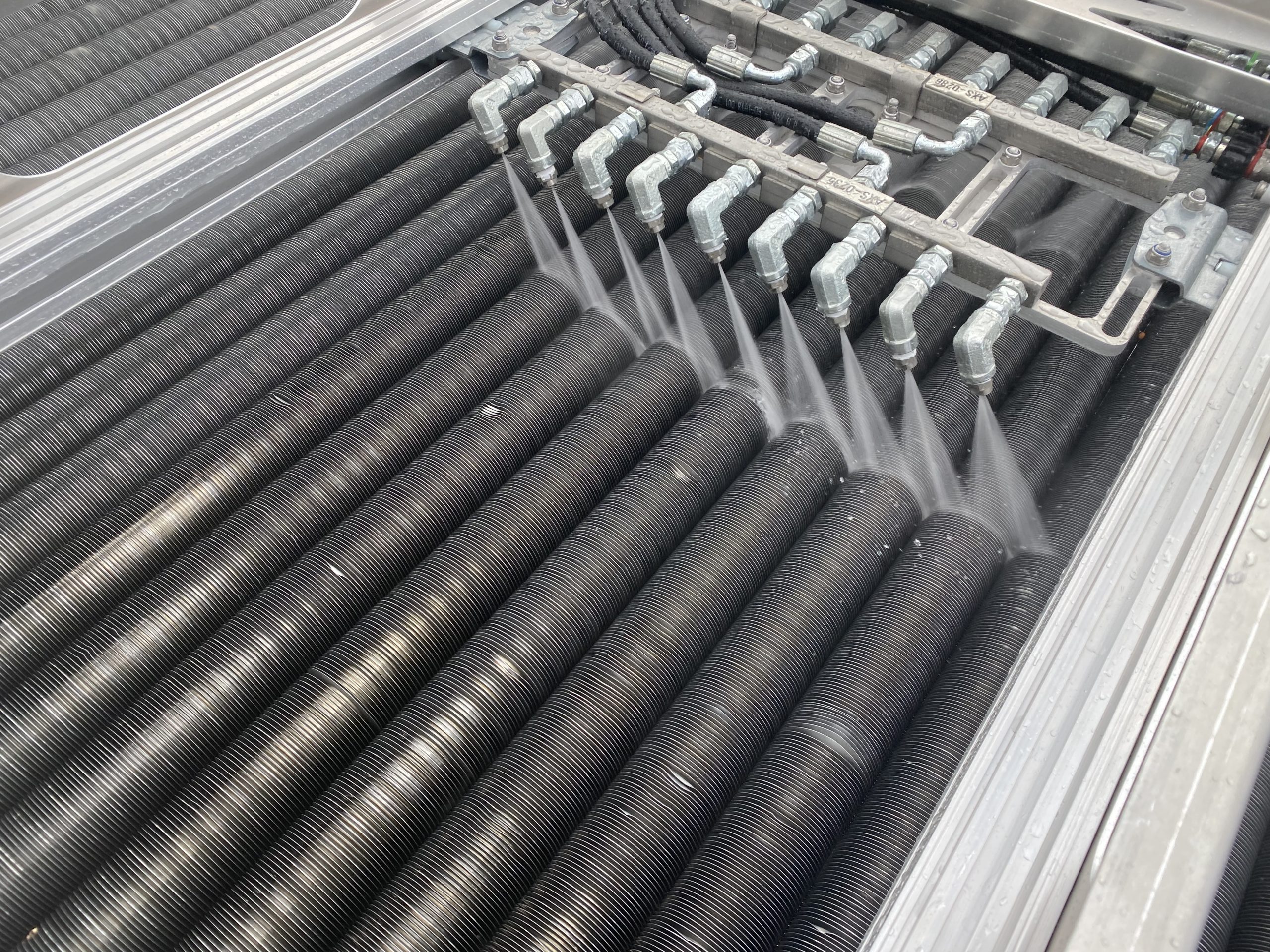
Cleaning finned tubes in air-cooled heat exchangers (ACHE) is crucial for maintaining optimal performance and efficiency. Over time, these tubes can accumulate dirt, dust, and other particulate matter, which can hinder heat transfer and reduce the system’s overall effectiveness. To clean finned tubes effectively, it’s essential to adopt a methodical approach that ensures thorough cleaning without causing damage to the delicate fins. Maintaining optimal performance in Air Cooled Heat Exchangers (ACHEs) hinges on one often-overlooked task: cleaning finned tubes. Unlike smooth-surface heat exchangers, the densely packed fins on ACHE tubes are highly susceptible to dust, debris, bird droppings, and even insect nests—especially in outdoor or industrial environments. What’s unique is that fouling doesn’t just reduce efficiency; it can cause localized hot spots that accelerate corrosion and lead to premature tube failure. Many operators wait until performance drops noticeably, but proactive cleaning every 3–6 months (depending on environment) using specialized tools like compressed air lances, soft-bristle brushes, or low-pressure water jets can extend equipment life by years while preserving thermal efficiency.
One unique method for cleaning finned tubes is the use of high-pressure air cleaning. This technique involves directing a high-velocity stream of compressed air across the fins to dislodge and remove accumulated debris. This method is particularly effective for removing light to moderate buildup and is often used during regular maintenance checks. Another effective method is manual cleaning, where technicians use specialized tools such as fin cleaners or brushes to scrape off the dirt from the fins. This approach allows for targeted cleaning and can be more effective in areas that are harder to reach with air jets. A lesser-known technique gaining traction is “dry ice blasting” for finned tube cleaning—an eco-friendly method that uses solid CO₂ pellets to dislodge contaminants without moisture, chemicals, or abrasive damage. This is especially valuable in facilities where water use is restricted or where electrical components near the exchanger make wet cleaning risky. For heavily fouled units, some plants now deploy robotic crawlers equipped with rotating brushes and vacuum systems that navigate between fin rows with precision—minimizing downtime and eliminating the need for scaffolding or manual entry into confined spaces. Pairing these methods with digital twin simulations allows engineers to predict fouling patterns and schedule targeted cleanings before efficiency dips below critical thresholds.
For more severe buildup, chemical cleaning might be necessary. This involves using a specially formulated cleaning solution that dissolves and removes stubborn deposits. The solution is applied to the fins and left to sit for a specified period before being rinsed off. It’s crucial to use the correct type of chemical cleaner to avoid damaging the tube material or the fins. After cleaning, the tubes should be thoroughly rinsed to ensure all residues are removed. To maximize ROI from your cleaning efforts, integrate real-time monitoring sensors that track airflow resistance and temperature differentials across the bundle. Rising pressure drop or declining outlet fluid temperature are early indicators of fouling—even before visible buildup appears. When combined with predictive maintenance platforms, this data enables condition-based cleaning rather than calendar-based schedules, reducing unnecessary interventions and labor costs. Also, consider applying hydrophobic or oleophobic coatings during scheduled shutdowns—these nanotechnology-based treatments repel dirt and oil, significantly extending intervals between cleanings and improving overall heat transfer rates.