
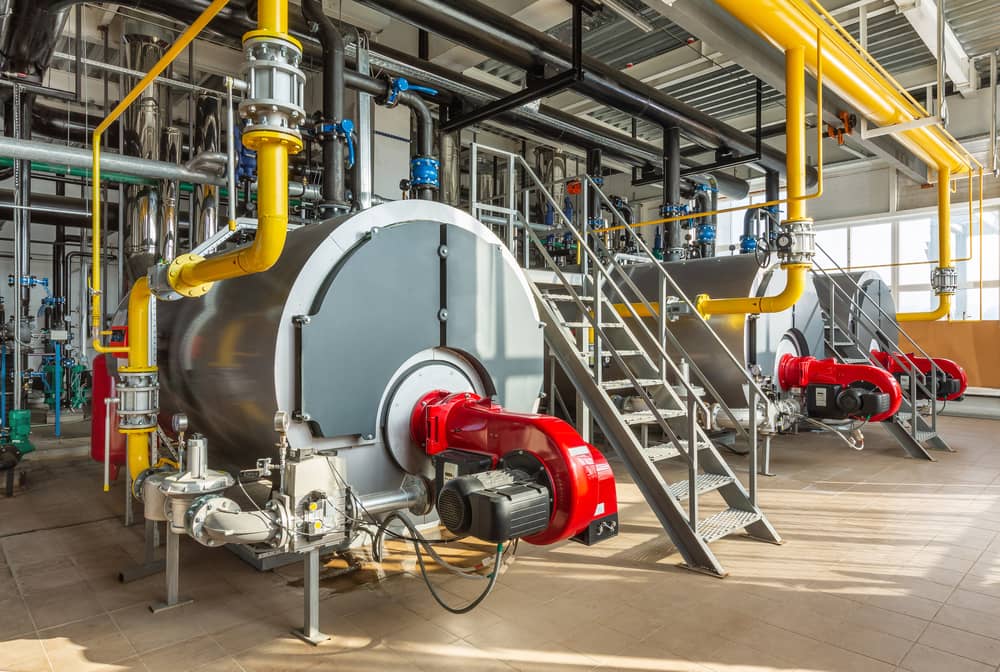
Steam coils are widely used in HVAC systems to provide efficient heating in commercial, industrial, and institutional applications. However, one of the major operational challenges they face is thermal shock, which occurs when a coil experiences a sudden temperature change. This rapid fluctuation can cause metal fatigue, cracking, or joint failures, leading to decreased efficiency, higher maintenance costs, and potential system downtime. Preventing thermal shock is crucial to ensure the long-term reliability and optimal performance of steam coil systems.
To minimize thermal shock, engineers often implement controlled startup and shutdown procedures, gradually introducing steam to allow the coil to warm uniformly. Proper steam trap selection and maintenance is also essential, as it ensures consistent condensate removal and prevents localized overheating. Additionally, preheating strategies, bypass lines, and slow-opening control valves help regulate steam flow, reducing abrupt temperature changes that can damage coil materials. By carefully managing these operational factors, thermal stress on the coil is significantly minimized.
Material selection and design considerations also play a critical role in preventing thermal shock. High-quality stainless steel or carbon steel with suitable wall thickness can withstand temperature variations better than inferior materials. Coil design should account for expansion allowances, proper joint welding, and flexible connections to accommodate thermal expansion and contraction. Combining thoughtful design, proper material choice, and controlled operational practices ensures that steam coils remain efficient, safe, and durable while avoiding costly failures due to thermal shock.