
Rice mills consume substantial energy, with fuel costs accounting for up to 30% of operational expenses. Heat recovery systems offer a breakthrough solution by capturing and reusing waste heat from exhaust gases, steam, and hot air—dramatically cutting fuel consumption. Modern rice mills integrating thermal energy recovery can reduce fuel usage by 20-40%, significantly lowering production costs while maintaining drying efficiency. This approach is particularly effective in parboiling and drying processes, where excess heat is traditionally wasted. By redirecting this energy back into the system, mills achieve better sustainability without compromising output quality. The cheapest fuel in a rice mill is the heat you already paid for. Heat recovery captures energy from exhaust air, boiler flue gas, hot parboiling water, and condensate, then reuses it to preheat inlet air or process water. For dryers, high-efficiency air-to-air heat exchangers reclaim sensible heat from moist exhaust, raising inlet air temperature with zero extra fuel and protecting food safety by keeping combustion gases separate—ideal for HACCP and ISO 22000 compliance. In parboiling, counter-current plate heat exchangers can transfer heat from hot discharge water to incoming soak water, slashing steam demand while improving temperature stability. The result is lower specific energy consumption, higher throughput, and more uniform grain moisture—key drivers of quality and profitability in an energy efficient rice mill. Make the savings stick with KPIs and hygiene-friendly engineering. Track specific energy consumption per ton and per percent moisture removed, OEE impacts, and return on investment from each retrofit. Design for clean-in-place access, corrosion-resistant stainless steel where condensate forms, and drain pans to manage condensate safely.
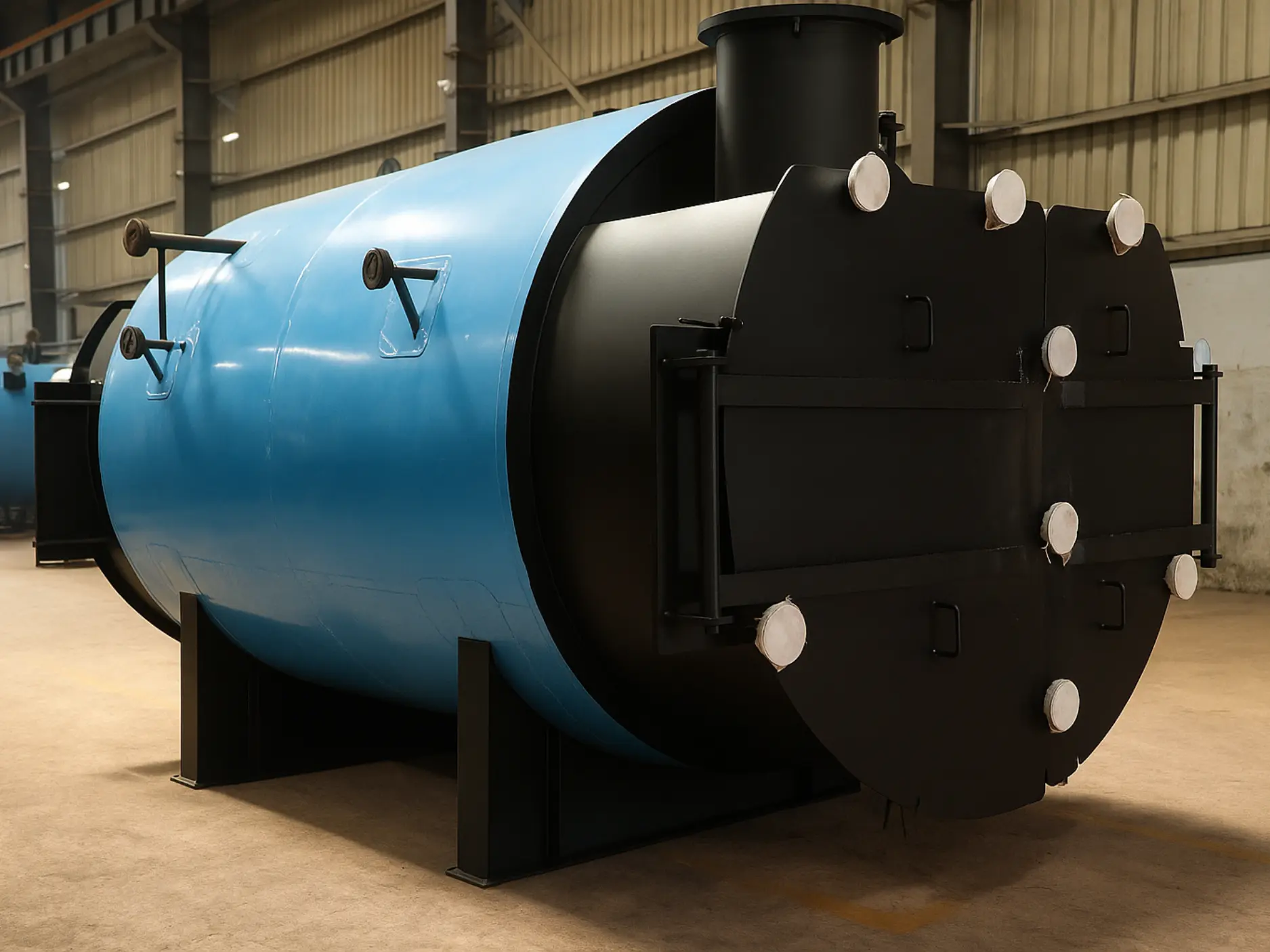
One of the most impactful heat recovery technologies for rice mills is flue gas heat exchangers, which extract thermal energy from boiler exhaust and repurpose it for paddy pre-heating or dryer air intake. Another innovative method involves condensing economizers, which recover latent heat from steam systems to preheat water for parboiling. These systems not only improve energy efficiency but also reduce greenhouse gas emissions, making them ideal for eco-conscious processors. Case studies show that mills adopting heat recovery can achieve payback periods as short as 1-2 years due to fuel savings, making it a smart long-term investment. Design details matter for reliable savings. In dusty, husk-rich environments, finned-tube or shell-and-tube heat exchangers resist fouling better than tight-gap plates, while run-around coil systems avoid cross-contamination when hygiene or corrosion is a concern. Pair heat recovery with desiccant dehumidification or solar thermal preheating to cut fuel use further in humid seasons. CFD airflow optimization, smart duct transitions, and VFD fan control minimize pressure drop and eliminate hot spots that cause re-wet, improving rice dryer efficiency. Industrial IoT sensors tracking inlet/outlet temperature, relative humidity, and pressure drop make waste heat recovery a controlled, auditable process rather than a hopeful add-on. Predictive maintenance—watching pressure drop across heat exchangers, trap discharge temperature, and condensate conductivity—catches fouling or failures early, keeping heat recovery, grain moisture control, and product quality on target without unplanned downtime.
Beyond equipment upgrades, optimizing heat recovery in rice mills requires smart process integration. Combining waste heat utilization with advanced drying controls (like humidity sensors and automated airflow systems) ensures maximum energy reuse while preventing overheating or moisture imbalance. As energy prices rise globally, mills that implement these solutions gain a competitive edge—lowering production costs, meeting sustainability standards, and improving profit margins. With governments increasingly incentivizing green manufacturing, heat recovery is no longer just an option but a necessity for future-proof rice processing. On the steam side, stack economizers harvest flue-gas heat to preheat boiler feedwater, blowdown heat recovery captures otherwise lost energy, and flash steam recovery to the deaerator reduces fresh steam make-up. A tight condensate return system, correct steam trap maintenance, and condensate subcoolers increase boiler efficiency and stabilize steam quality for parboiling and drying. Biomass rice husk boilers coupled with steam-to-air coils create a low emission drying loop and meaningful decarbonization, while proper thermal insulation on ducts, dryers, and steam lines protects every recovered calorie. These measures often deliver short payback periods, especially when fuel prices are volatile and production runs long.