Introduction
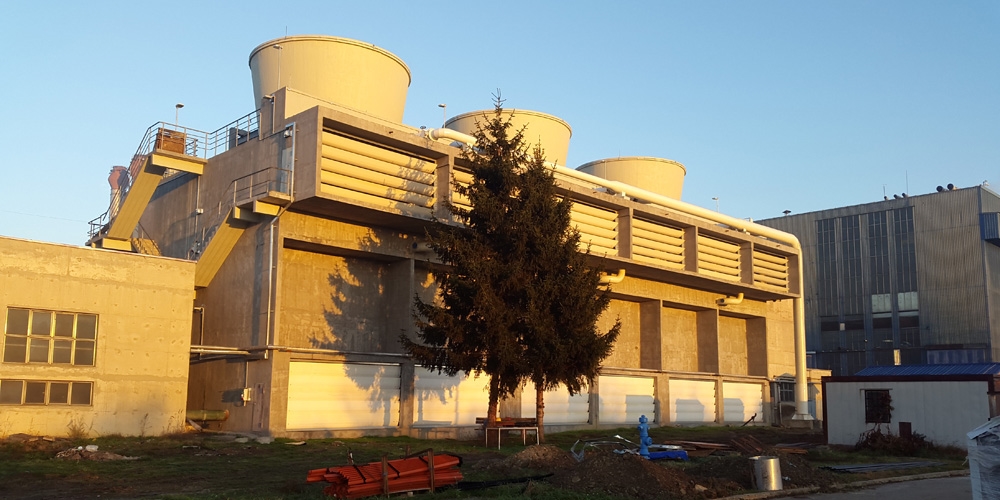
Hybrid cooling systems combine the benefits of both air-cooled and water-cooled technologies to achieve an optimal balance between water conservation and energy efficiency. These systems are designed to reduce the environmental impact of industrial cooling processes by leveraging the strengths of each cooling method. By switching between dry (air-cooled) and wet (water-cooled) modes based on operating conditions, hybrid cooling systems offer a versatile solution for industries seeking sustainable and efficient cooling.Cooling Tower Manufactures
Dual Cooling Modes
Hybrid systems can operate in both wet and dry modes, depending on environmental conditions and cooling needs. During cooler periods, dry mode uses air to dissipate heat, conserving water. In hotter conditions, the system switches to wet mode to improve cooling efficiency by using water.
Water Efficiency
One of the key advantages of hybrid cooling systems is their ability to minimize water usage. By utilizing air cooling when ambient temperatures allow, the system reduces dependence on water-based cooling, helping conserve water resources in water-scarce regions or during drought conditions.
Energy Savings
Hybrid cooling system are highly energy efficient, as they can switch between modes to reduce energy consumption. During low-load conditions, dry cooling requires less energy to operate, while wet cooling is employed during peak loads to enhance thermal performance.
Adaptability to Climate Conditions
Hybrid cooling system are ideal for regions with varying climate conditions. They can be set to prioritize dry mode in cooler climates to conserve water or switch to wet mode during high ambient temperatures to achieve maximum cooling efficiency.
Applications Across Industries
Hybrid cooling systems are widely used in industries such as power generation, petrochemicals, HVAC, and manufacturing, where large-scale cooling is required. They are particularly useful in industries where both water and energy conservation are critical concerns.
Reduced Carbon Footprint
Hybrid cooling systems help reduce the overall carbon footprint of industrial cooling processes. By optimizing energy use and reducing water dependency, they contribute to lowering greenhouse gas emissions, making them a more sustainable option.
Reduction in Water Discharge
Hybrid systems generate less wastewater compared to fully water-cooled systems. This reduces the environmental impact and associated costs of managing water discharge, including wastewater treatment and disposal.
Increased Resilience to Drought
In regions prone to drought or water scarcity, hybrid cooling systems provide an alternative to traditional cooling towers that require large amounts of water. By reducing water use, industries can maintain their cooling capacity without negatively impacting local water supplies.
Cost Savings in Water-Stressed Regions
Industries operating in water-stressed areas can benefit financially from hybrid cooling systems by avoiding high costs associated with water procurement, treatment, and disposal. This cost reduction, coupled with energy savings, enhances the overall financial viability of the system.
Corrosion and Scaling Prevention
The reduced use of water in hybrid systems minimizes the risks of corrosion and scaling that often plague traditional water-cooled systems. This leads to longer equipment life, lower maintenance needs, and less downtime for cleaning or repairs.
Conclusion
Hybrid cooling systems represent an innovative approach to industrial cooling, offering a balance between water conservation and energy efficiency. By adapting to changing environmental conditions and cooling needs, these systems provide an environmentally friendly and cost-effective solution for industries aiming to reduce their operational footprint.