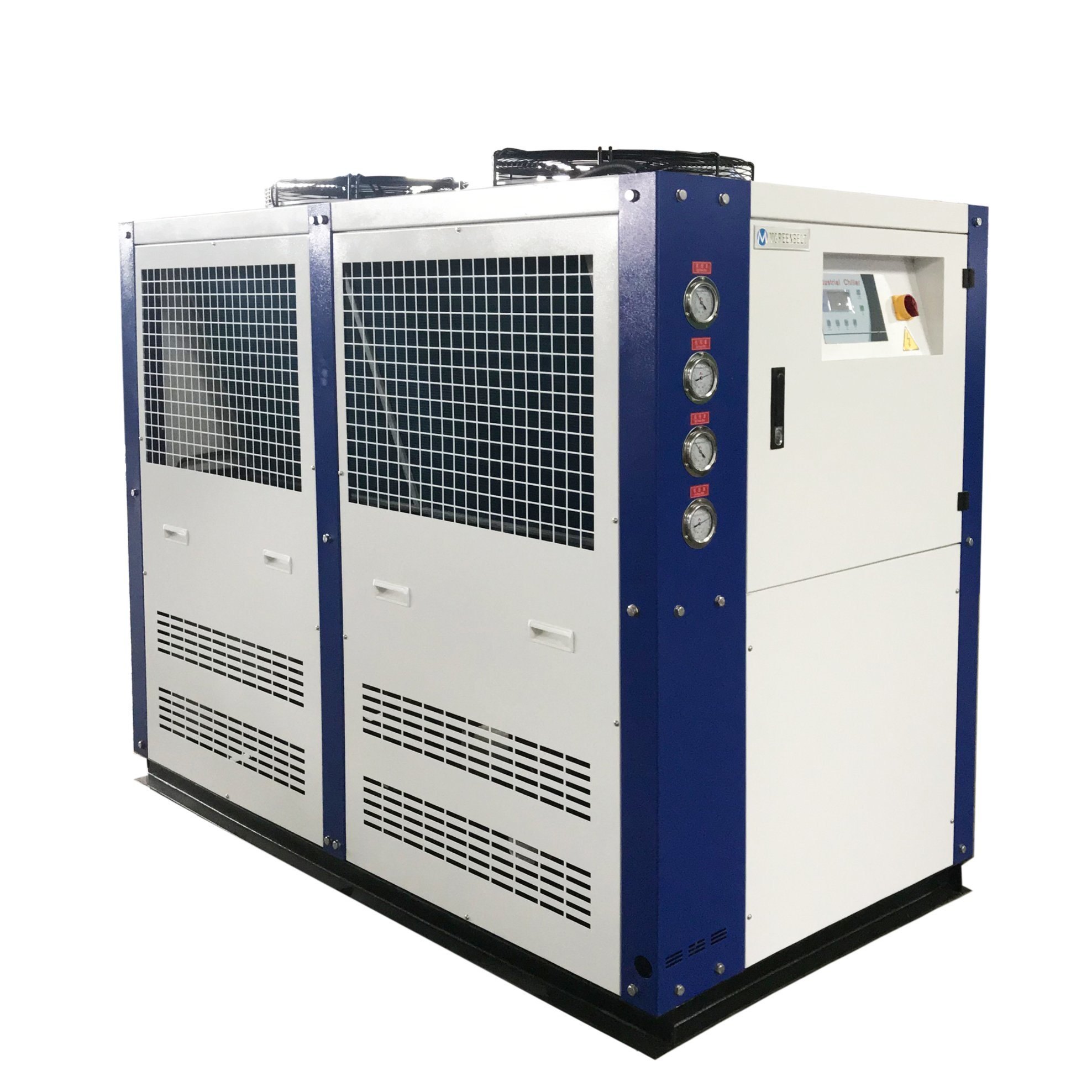
For Hydraulic Oil Chillers, the SEO strategy focuses on system pressure stability, preventing seal failure, and maintaining fluid viscosity. Your target audience includes plant maintenance engineers, hydraulic system designers, and operators of heavy machinery like injection molding machines or hydraulic presses.
⚙️ Hydraulic Oil Chillers: Optimize Performance & Extend Component Life
In high-pressure hydraulic systems, heat is the leading cause of component failure. Hydraulic oil chillers provide the precise thermal management necessary to keep your fluids at the ideal viscosity, protecting sensitive valves, pumps, and seals from premature wear.
Why Hydraulic Temperature Control is Critical
When hydraulic oil overheats, it loses its lubricating properties and thins out, leading to internal leakage and sluggish performance. A dedicated chiller offers:
- Consistent Viscosity: Ensures predictable machine movements and timing.
- Seal Protection: Prevents hardening and cracking of rubber seals caused by excessive heat.
- Oil Longevity: Stops the oxidation and chemical breakdown of expensive hydraulic fluids.
- Reduced Downtime: Eliminates “heat-soak” shutdowns during high-ambient summer months.
Air-Cooled vs. Water-Cooled Hydraulic Chillers
Selecting the right cooling method depends on your factory environment and available utilities.
Key Applications for Hydraulic Cooling
- Injection Molding: Maintaining oil temperature for consistent cycle times and part quality.
- Hydraulic Presses: Cooling large oil reservoirs during heavy stamping or forging cycles.
- Die Casting: Managing extreme heat loads in metal casting environments.
- Power Units (HPUs): Ensuring 24/7 reliability for industrial automation and lift systems.
Sizing Your Chiller: The “Heat Load” Calculation
To ensure your hydraulic system stays cool, you must calculate the heat rejected by the pump. A common rule of thumb for hydraulic systems is that approximately 25–30% of the input horsepower is converted into heat.
The heat load $Q$ can be estimated using:
$$Q (\text{BTU/hr}) = \text{HP} \times 2,545 \times \text{Efficiency Loss}$$
Pro Tip: If your system uses a high-pressure bypass or relief valve frequently, your heat load will be significantly higher. Always size your chiller based on the worst-case operating scenario.
Why Choose Our Hydraulic Cooling Solutions?
Our chillers are engineered specifically for the high-flow requirements of hydraulic circuits. We use high-efficiency heat exchangers (plate or shell-and-tube) designed to handle oil’s higher viscosity compared to water, ensuring maximum heat transfer without excessive pressure drops.