
Optimizing Performance: Essential Maintenance for Cooling Tower Axial Fans
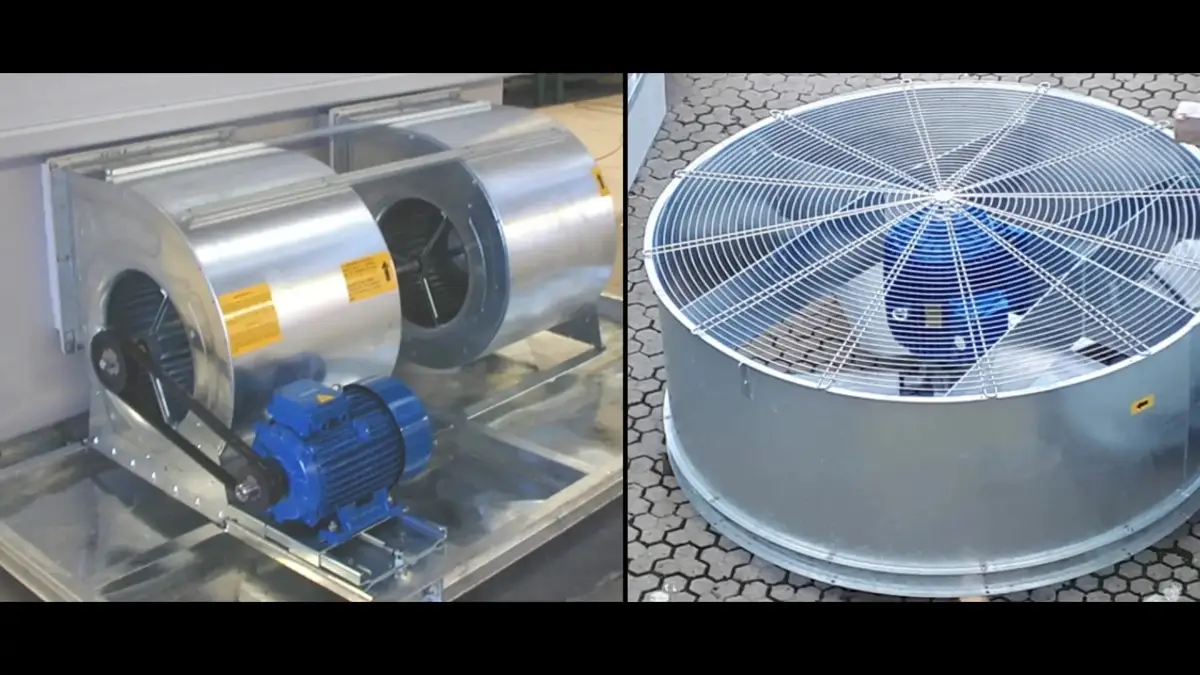
Cooling tower axial fans play a pivotal role in rejecting waste heat from industrial processes, HVAC systems, and power generation facilities. When not properly maintained, these fans can suffer from decreased airflow, unbalanced rotation, and motor overheating — all of which degrade system efficiency and inflate energy bills. A comprehensive maintenance checklist should include inspecting fan blades for warping or corrosion (especially in coastal or high-humidity environments), verifying proper blade pitch alignment, and ensuring the fan hub is securely fastened. Bearings should be greased per manufacturer specs — typically every 3,000 to 5,000 operating hours — using high-temperature, water-resistant lubricants. Belt-driven systems require regular tension checks and alignment verification to prevent slippage and premature belt wear. For facilities aiming for Industry 4.0 readiness, integrating vibration sensors and thermal imaging cameras into routine inspections can detect early-stage imbalances or bearing degradation — turning reactive repairs into proactive interventions that prevent costly breakdowns.
Avoid Costly Downtime with Proactive Cooling Tower Fan Care
Unplanned downtime due to axial fan failure can halt production lines, compromise data center cooling, or force emergency shutdowns in chemical plants — with losses running into tens of thousands per hour. To mitigate this, facilities should implement a structured maintenance calendar that includes pre-summer and pre-winter audits. During these, technicians should measure motor current draw against baseline values — a 10–15% increase may indicate mechanical resistance or electrical issues. Fan guards must be inspected for structural integrity and compliance with OSHA or local safety codes to prevent workplace accidents. Housing should be checked for rust, cracks, or water ingress, which can lead to structural failure or electrical hazards. Additionally, aligning fan maintenance with facility-wide energy audits can reveal hidden inefficiencies — for example, a misaligned fan can increase power consumption by up to 20%. Documenting all maintenance activities in a centralized CMMS not only ensures accountability but also builds a historical dataset useful for predicting future maintenance needs and budgeting.
Boost Energy Efficiency and ROI Through Strategic Axial Fan Maintenance
Energy savings are the most tangible return on investment from diligent axial fan maintenance. A single dirty or unbalanced fan blade can reduce airflow by 10–20%, forcing the motor to work harder and consume more electricity. Replacing worn blades with aerodynamically optimized, lightweight composite alternatives can improve efficiency by 8–15%. Similarly, upgrading to EC (electronically commutated) motors or variable frequency drives (VFDs) allows precise speed control based on real-time cooling demand — reducing energy use during low-load periods. Facilities that implement a formal maintenance program report up to 30% longer equipment lifespan and 25% lower repair costs over a 5-year period. Integrating smart monitoring systems — such as IoT-enabled sensors that transmit vibration, temperature, and RPM data to the cloud — enables remote diagnostics and predictive alerts. This not only reduces on-site labor but also allows for just-in-time part ordering and scheduling during non-peak hours. Always source replacement parts from certified vendors or OEMs to maintain warranty coverage and ensure performance specifications are met.