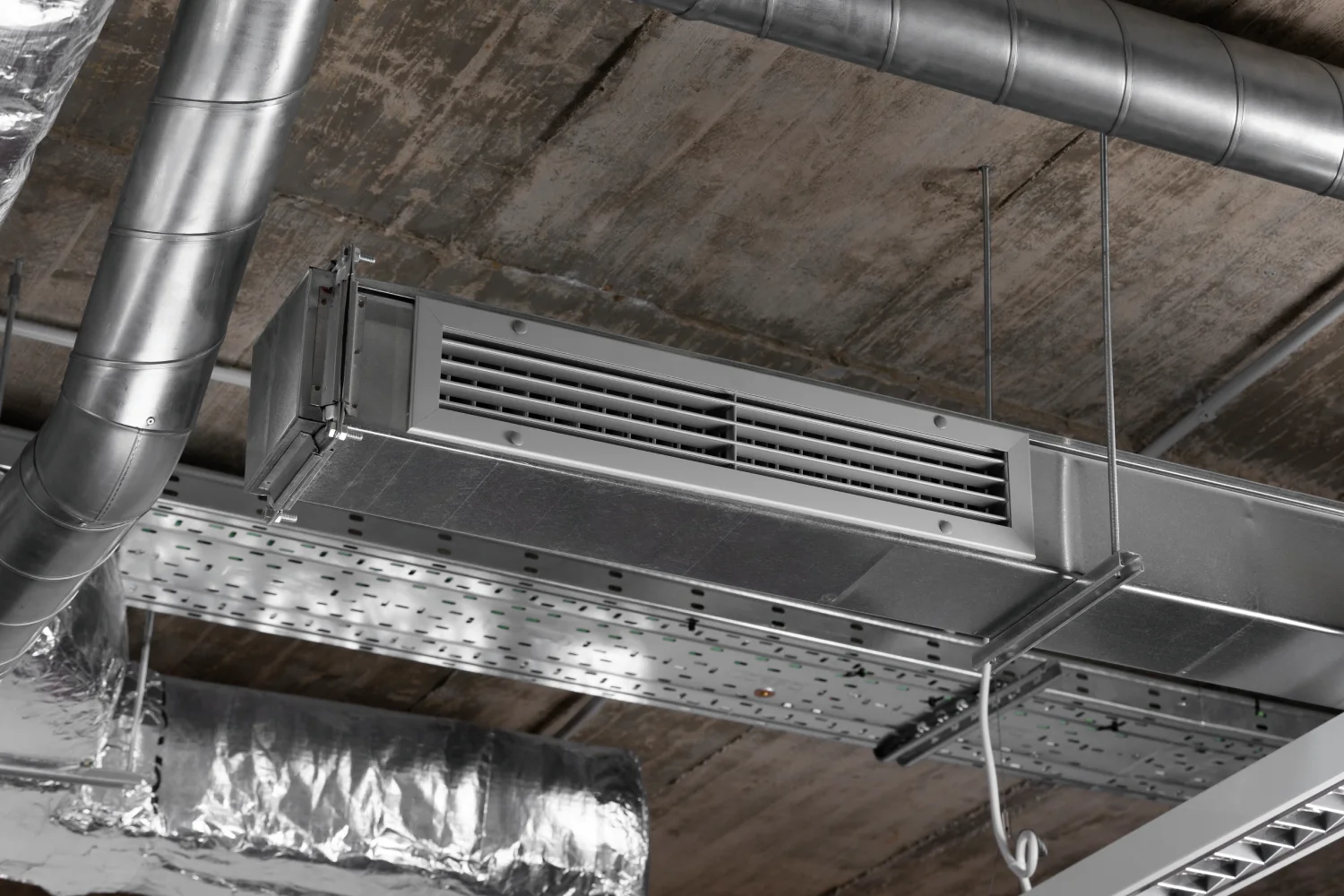
Regular maintenance is crucial to extend the lifespan of Fan Coil Units (FCUs) and ensure they operate efficiently. One of the key maintenance tips is to clean the filters regularly. Clogged filters can lead to reduced airflow, increased energy consumption, and even damage to the unit. It’s recommended to clean the filters every 1-3 months, depending on usage and environmental conditions. Additionally, inspecting the coils and fins for dust and debris buildup is essential to maintain optimal heat transfer and prevent corrosion. Proper maintenance is the cornerstone of ensuring fan coil units deliver reliable performance and maximize service life. Regular HVAC maintenance not only safeguards system longevity but also optimizes energy efficiency, lowering utility costs and reducing environmental impact. By adopting a preventive maintenance mindset, technicians can identify early signs of wear—such as loose fan belts or bearing misalignment—before they escalate into costly repairs. Emphasizing preventive maintenance and system performance optimization, businesses can enjoy consistent indoor comfort and improved air quality. To achieve long life for fan coil units, establish a structured preventive maintenance plan with documented service schedules and performance records. Track energy consumption trends to spot inefficiencies early, and schedule bi-annual system tune-ups before peak cooling and heating seasons.
Another important aspect of FCU maintenance is to check and replace worn-out or damaged parts, such as fan motors, bearings, and seals. This will prevent further damage to the unit and ensure smooth operation. Moreover, checking the condensate drain and ensuring it’s clear of blockages is vital to prevent water damage and mold growth. By performing these tasks regularly, you can significantly reduce the risk of FCU failure and prolong its lifespan. Proper maintenance also helps to maintain indoor air quality, reduce energy bills, and minimize downtime. One of the easiest yet most effective maintenance tasks is routine filter replacement. Investing in advanced MERV-rated filters helps trap fine particulates without sacrificing airflow, while cleaning evaporator coils with a mild, manufacturer-approved solution prevents corrosion and maintains peak heat transfer rates. Additionally, implementing UV-C antimicrobial treatments inside the coil housing can inhibit mold and bacterial growth, safeguarding both system performance and occupant health. Don’t overlook condensate drain cleaning; a clogged drain line can lead to water damage and decreased operational efficiency. By combining professional inspections, targeted cleaning protocols, and smart monitoring solutions, facility managers can unlock significant cost savings, enhance operational efficiency, and ensure sustainable cooling performance for years to come.
To further optimize FCU performance, it’s essential to inspect the unit’s electrical connections and controls. Loose or corroded connections can lead to malfunctioning or even safety hazards. Regularly checking the unit’s thermostat and controls can also help to identify any issues before they become major problems. By following these maintenance tips, you can enjoy a longer lifespan for your FCU, reduced maintenance costs, and improved overall system efficiency. By incorporating these maintenance tips into your routine, you can ensure your FCU operates at peak performance, providing comfortable indoor temperatures while minimizing energy consumption. Regular maintenance is a cost-effective way to extend the life of your FCU and prevent costly repairs. Professional inspections are crucial for in-depth upkeep. Certified HVAC technicians should check refrigerant charge levels, perform leak detection, and verify thermostat calibration to ensure accurate temperature control. Lubrication of motor bearings and fan shafts reduces friction and noise, extending equipment durability. Incorporating IoT sensor integration enables real-time monitoring of key metrics—such as static pressure, airflow, and temperature differentials—allowing for predictive maintenance interventions and minimizing unexpected downtime.