Critical Connection Types and Installation Requirements
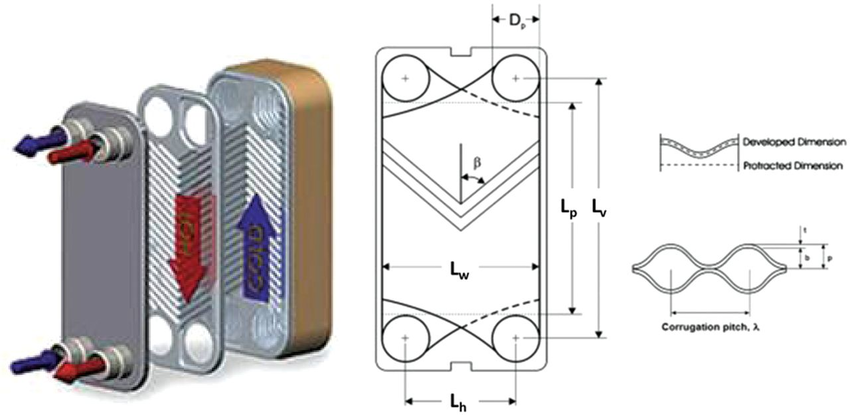
The sophisticated design of Piping Connections Brazed Plate Heat Exchanger systems requires precise installation techniques to ensure optimal thermal performance and operational reliability. Always mount the unit vertically. Never mount the heat exchanger with the connections pointing downward. Modern Brazed Heat Exchanger Connection Types include threaded connections, solder/sweat connections, and welded connections, each offering specific advantages for different applications. Thread Connections – Use Teflon tape or other sealant on male threaded part of connection to prevent leakage. The installation requires Always use two wrenches when installing piping to heat exchanger connections to prevent over-torque stress and damage when tightening. Advanced Heat Exchanger Piping Installation systems incorporate specialized mounting hardware and connection configurations that accommodate thermal expansion while maintaining leak-proof performance under extreme operating conditions.
Professional Soldering and Welding Connection Techniques
The precision engineering of Solder Connection Heat Exchanger systems demands strict adherence to temperature and material specifications to prevent damage to internal brazing. Use 45% silver solder (minimum), AWS grade BAg-24 or equivalent. Brazing flux should be AWS specification FB3C, AMS no. 3411 or equivalent. Critical installation protocols include Use wet rag around base of connector, DO NOT OVERHEAT, purge unit with nitrogen. Do not braze unit in the horizontal, sitting flat, position; braze material may fall into the heat exchanger. Advanced Welded Heat Exchanger Connections require specialized techniques where TIC-weld or MIG-weld the tube to the connection, filling the groove formed by the two edges. This method minimizes the heating zone. WARNING: Unnecessary heating (above 1200 (F) can melt the brazing material! These Professional Installation Heat Exchanger procedures ensure maximum joint integrity while protecting internal plate construction.
Flow Configuration and Piping System Integration
Optimal thermal efficiency in Counter Current Piping Heat Exchanger installations requires strategic flow arrangement and proper system integration. The unit should be piped with counter current flow arrangement for optimal performance. Modern systems incorporate Heat exchanger should be piped in counter-flow. Advanced Industrial Piping Heat Exchanger configurations address specialized applications where For evaporators connect the refrigerant to the side with the soldered connections (S3, S4) so that it enter the unit at the bottom. The expansion device should be positioned not less than 150-200 mm from the connection (S3). Bent tubes and elbows between the expansion device and the connection should be avoided. These HVAC Piping Heat Exchanger systems enable maximum thermal transfer efficiency while accommodating complex installation requirements in space-constrained environments.
Safety Systems and Protective Equipment Integration
Contemporary Heat Exchanger Safety Connections incorporate comprehensive protection systems that prevent operational failures and ensure long-term reliability. Install proper safety valves, an air elimination device, controls and temperature alarms to ensure the intended design conditions of the heat exchanger are not exceeded. Essential protective measures include Install strainers on pipelines leading to the heat exchanger; otherwise, particles could block the channels, causing low performance, increased pressure drop, and risk of freezing. If any of the media contain particles over 1 mm, install a strainer with at least 16-20 degree mesh to prevent particles from entering the unit. Advanced Vibration Control Heat Exchanger systems require If the risk of vibration exists, install vibration absorbers. Rubber mounting strip also can be used as a buffer between HE and mounting clamp. These Commercial Heat Exchanger Piping solutions ensure maximum system reliability while protecting against operational hazards and premature component failure.