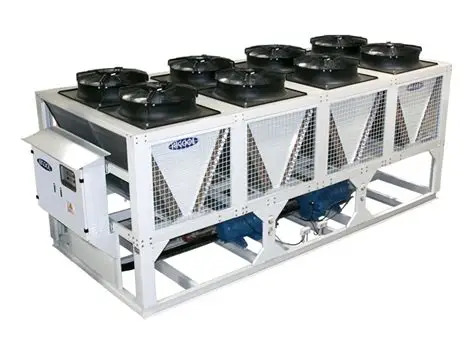
To help you rank for Reciprocating Chillers, I’ve put together three different SEO-friendly title options based on common search intents, followed by a content outline designed to capture featured snippets.
Top SEO Title Options
- The Comprehensive Guide to Reciprocating Chillers: Efficiency & Applications
- Why it works: Targets users looking for high-level information and “how-it-works” queries.
- Reciprocating vs. Centrifugal Chillers: Which is Best for Your Facility?
- Why it works: Targets “Comparison” intent, which is high-value for B2B buyers.
- Industrial Reciprocating Chillers: Key Benefits, Maintenance, and Features
- Why it works: Focuses on “Features” and “Maintenance,” common keywords for engineers and facility managers.
SEO-Optimized Content Structure
H1: Understanding Reciprocating Chillers: A Guide for Industrial Cooling
Reciprocating chillers are the workhorses of the HVAC and industrial process world. Utilizing positive displacement technology, these systems are known for their reliability, durability, and ability to handle high-pressure differentials.
H2: How Does a Reciprocating Chiller Work?
At its core, a reciprocating chiller uses a piston-and-cylinder mechanism—much like an internal combustion engine—to compress refrigerant gas.
- Suction Phase: The piston moves down, creating a vacuum that pulls in low-pressure refrigerant vapor.
- Compression Phase: The piston moves up, compressing the gas into a high-pressure, high-temperature state.
- Discharge Phase: The gas is pushed through a discharge valve into the condenser.
H2: Key Benefits of Reciprocating Technology
Why choose a reciprocating system over a screw or centrifugal chiller?
- Cost-Effective: Generally lower initial investment for small to medium cooling loads.
- Simple Maintenance: Parts are widely available and the mechanical design is familiar to most technicians.
- Efficiency at Part-Load: Excellent performance when the cooling demand fluctuates.
- High Pressure: Capable of achieving higher pressure ratios than many other compressor types.
H2: Common Applications
Reciprocating chillers are versatile and commonly found in:
- Food & Beverage Processing: Precise temperature control for perishables.
- Pharmaceutical Labs: Maintaining strict climate conditions for chemical stability.
- Plastic Injection Molding: Cooling molds to ensure product consistency.
- Small to Mid-Sized Commercial Buildings: Reliable HVAC solutions.
Technical Comparison Table
| Feature | Reciprocating Chiller | Centrifugal Chiller |
| Compression Type | Positive Displacement (Piston) | Dynamic (Impeller) |
| Ideal Load | Small to Medium | Large / Constant |
| Maintenance | Frequent but Simple | Complex / Specialist Required |
| Typical Capacity | 2 to 200 Tons | 200 to 2,000+ Tons |
Pro-Tips for Ranking
- Use Alt-Text: If you add images of the compressor or the piping, use alt-text like “Reciprocating compressor piston diagram.”
- Internal Linking: Link to your maintenance services page or other chiller types (Screw/Scroll).
- FAQ Section: Include a “People Also Ask” section answering things like “Are reciprocating chillers still used?” (Answer: Yes, specifically for high-lift applications and smaller capacities).