Motor Selection: The Foundation of Efficient Heat Dissipation
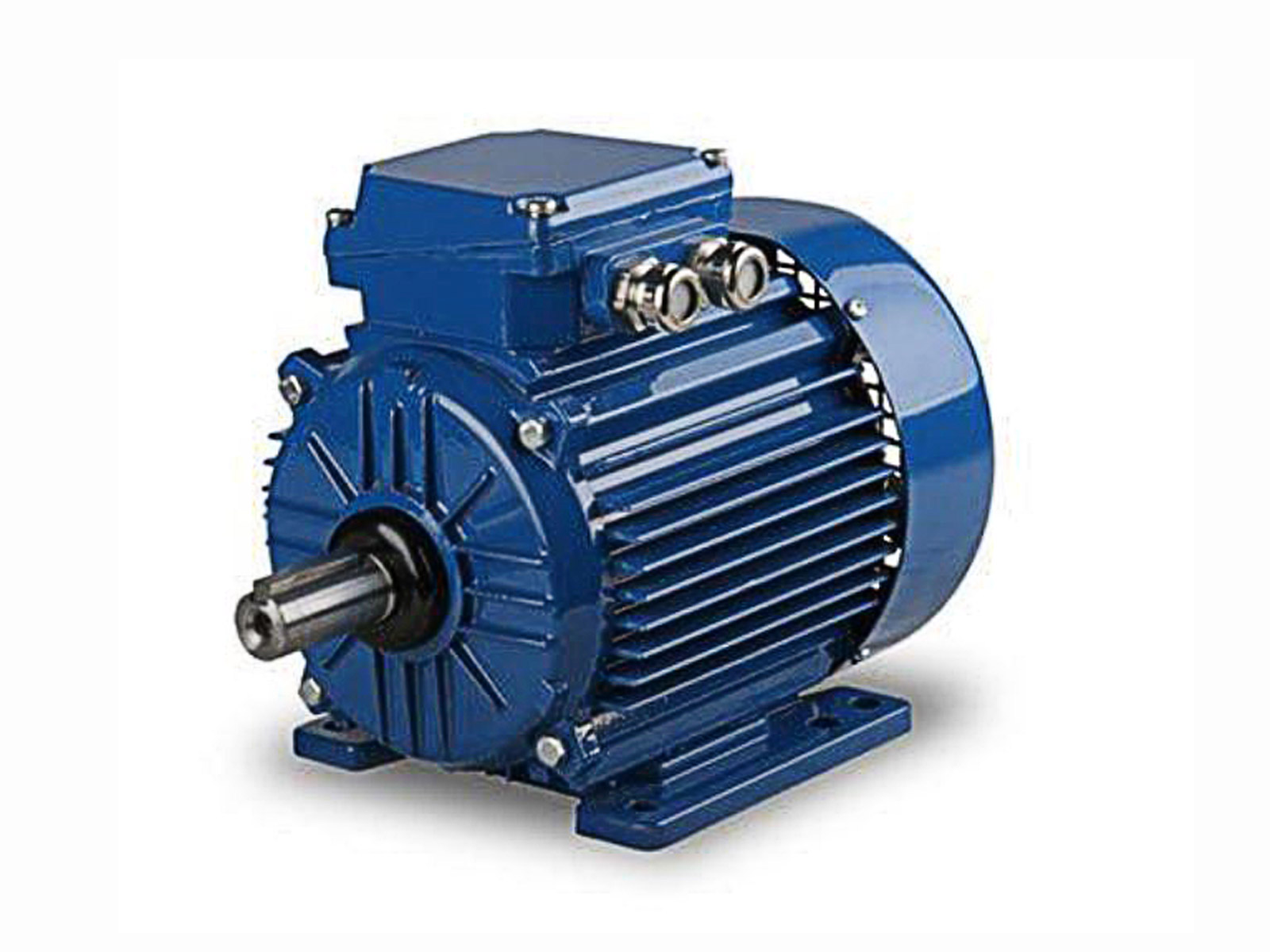
The heart of any cooling tower system lies in its motor configuration, which directly influences thermal management efficiency and operational costs across industrial facilities. High-performance cooling tower motors serve as the driving force behind fan operations, determining airflow rates, energy consumption patterns, and overall system reliability throughout various operational cycles. Industrial facilities investing in premium motor technology often experience up to 30% reduction in energy costs while maintaining optimal temperature control, particularly in demanding applications such as power generation, petrochemical processing, and large-scale manufacturing operations. Variable frequency drives integrated with modern motors enable precise speed control, allowing operators to adjust cooling capacity based on real-time thermal loads and ambient conditions, ensuring peak performance during both high-demand summer months and reduced-load winter operations. The selection process involves careful consideration of motor horsepower ratings, starting torque requirements, and environmental factors such as altitude, temperature extremes, and corrosive atmospheres that may impact long-term performance. Motors designed specifically for cooling tower applications feature enhanced protection against moisture ingress, vibration resistance, and specialized cooling mechanisms that ensure reliable operation even under the most challenging conditions.
Energy Efficiency and Motor Technology Integration
Advanced motor technologies, including permanent magnet motors and electronically commutated motors, revolutionize cooling tower performance through enhanced efficiency ratings and reduced maintenance requirements that translate to significant cost savings over equipment lifespan. These sophisticated systems incorporate smart monitoring capabilities that continuously assess motor health, vibration levels, temperature fluctuations, and electrical parameters to prevent costly breakdowns while optimizing energy consumption patterns. Energy-efficient cooling tower motors not only reduce operational expenses but also contribute to sustainability goals by minimizing carbon footprint and electrical consumption, often qualifying facilities for green building certifications and utility rebate programs. The integration of IoT sensors with motor control systems enables predictive maintenance scheduling, extending equipment lifespan while optimizing performance parameters through real-time data analytics and machine learning algorithms. Modern motor designs feature improved insulation systems, precision-balanced rotors, and advanced bearing technologies that reduce friction losses and extend operational life. Power factor correction capabilities built into contemporary motor systems help facilities avoid utility penalties while improving overall electrical system efficiency, contributing to reduced infrastructure costs and enhanced grid stability.
Performance Optimization Through Motor Control Systems
Motor control systems equipped with advanced algorithms automatically adjust fan speeds to maintain precise temperature setpoints while minimizing energy waste during varying load conditions, seasonal changes, and fluctuating production demands across industrial operations. The synchronization between motor performance and cooling tower design parameters ensures maximum heat transfer efficiency across different operational scenarios, including peak load conditions, partial load operations, and emergency cooling requirements. High-torque motors specifically designed for cooling tower applications deliver consistent performance even under challenging environmental conditions, including high humidity, temperature fluctuations, debris exposure, and varying wind patterns that can affect fan loading characteristics. Modern motor control panels feature remote monitoring capabilities, allowing facility managers to track performance metrics, analyze energy consumption trends, and implement proactive maintenance strategies through centralized building management systems. Soft-start capabilities reduce mechanical stress on fan assemblies and drive systems during startup sequences, while regenerative braking systems can capture energy during deceleration phases. Advanced control algorithms incorporate weather forecasting data and facility load predictions to pre-adjust cooling capacity, ensuring optimal performance while minimizing energy consumption during transition periods.