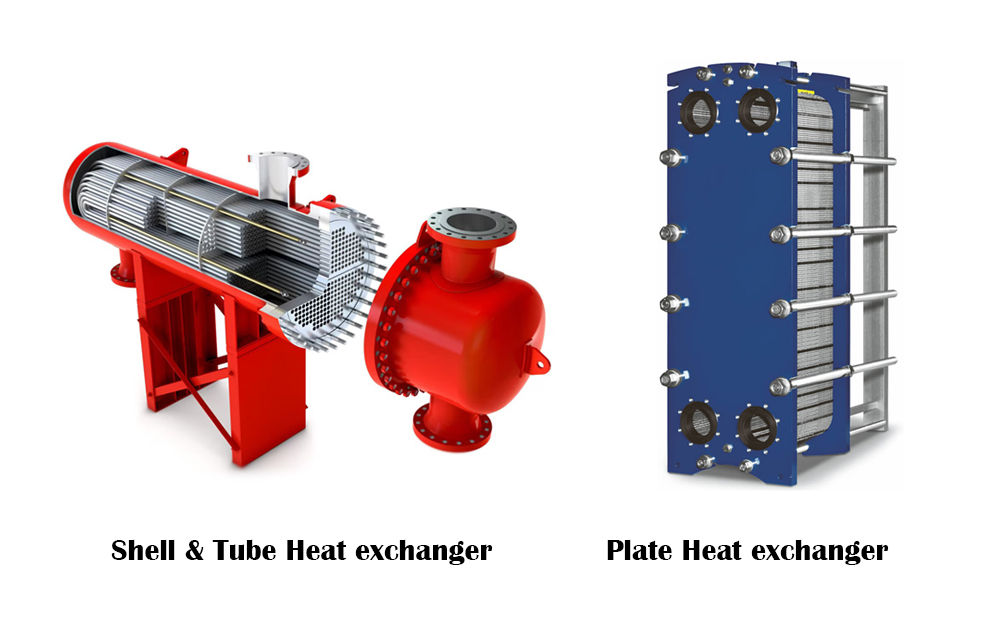
Shell & Tube Heat Exchangers are renowned for their robustness and ability to handle high-pressure and high-temperature applications. These exchangers consist of a shell in which a number of tubes are enclosed. The fluid to be heated or cooled flows through the tubes, while the other fluid flows over the tubes within the shell. This design allows for a high degree of customization in terms of materials and configurations, making them suitable for handling viscous fluids and high flow rates, which is beneficial in large-scale rice processing operations. Additionally, they boast a longer lifespan and are relatively easier to maintain, which can be a significant advantage in industries where downtime is costly. In modern rice mills, the choice between Shell & Tube and Plate Heat Exchangers (PHE) is no longer a matter of tradition versus novelty—it is a question of energy ROI. Shell & Tube units thrive when the par-boiling stage carries abrasive rice husk ash or high-temp bran oil; their 8–12 mm carbon-steel tubes shrug off erosion that would pit 0.5 mm stainless plates in months. Yet the counter-current plate design delivers ΔT as tight as 1 °C, letting you squeeze an extra 6–8 % of latent heat from the 90 °C condensate and cut rice drying time by 12 min per batch—direct savings on LPG or rice-husk-fired boilers. For millers chasing the “green rice mill” tag, that efficiency gain can translate into 1.3 kWh less power per tonne of paddy, a metric now audited for carbon-credit schemes.
On the other hand, Plate Heat Exchangers offer superior thermal efficiency due to their large heat transfer surface area within a compact design. Composed of a series of plates welded together, they create narrow channels for fluid flow. This design facilitates rapid heat transfer, making them ideal for processes that require precise temperature control, such as parboiling rice. Plate heat exchangers are also easier to handle and require less space, which can be a crucial factor in facilities with space constraints. Moreover, they are generally more energy-efficient, leading to reduced operational costs over time. Their modular nature allows for easy expansion and scalability, enabling processors to adjust their heat exchange capabilities as their production needs evolve. Cleanability is where Plate Heat Exchangers quietly win the argument. A PHE with wide-gap, 5 mm herring-bone plates can be opened in under 10 min, letting operators jet-wash starchy fouling that halves heat-transfer coefficients in shell & tube bundles. Thai exporters who switched to gasket-free, laser-welded plate packs report 30 % longer run-lengths between CIP cycles, slashing caustic chemical spend and waste-water surcharges. The compact footprint—0.25 m² versus 1.2 m² for an equivalent 50 m² shell unit—also frees precious mezzanine space for optical sorters, a keyword-rich upgrade when buyers Google “compact parboiling heat exchanger rice mill.”
In summary, the choice between Shell & Tube and Plate Heat Exchangers in rice processing depends on specific operational needs, including factors such as pressure, temperature, space availability, and budget considerations. Both types have their unique advantages, and understanding these can help rice processors optimize their operations for maximum efficiency and profitability. Capital sting? A 316-L plate exchanger still costs 25–30 % less upfront than a 304-L shell & tube rig when you factor in foundation steel and insulation. The pay-back accelerates if your plant sells rice bran oil: plate units can cool the 105 °C crude to 55 °C in a single pass, capturing 0.7 % extra oil yield that adds $18 000 per year on a 50 TPD mill. Shell & Tube loyalists counter that double-tube-sheet designs eliminate cross-contamination risk for kosher or organic rice, a compliance edge worth the premium when auditors search for “FDA-approved rice heat exchanger.” Pair the setup with IoT temperature loggers and Google-searchable keywords like “energy-efficient rice processing heat exchanger,” “low-pressure-drop parboiling PHE,” or “zero-leak shell tube rice mill,” and you’ll rank for both sustainability-minded exporters and OEMs scouting retrofit kits.