Paddy processing demands precision to maintain grain quality, reduce energy costs, and minimize post-harvest losses. Steam heat exchangers have emerged as a game-changer in this industry, offering superior thermal efficiency compared to conventional drying methods. By utilizing steam as a heat transfer medium, these systems ensure uniform temperature distribution, preventing overheating and preserving the rice’s nutritional integrity. This technology is particularly beneficial for large-scale rice mills, where consistent drying is crucial to prevent fissures and improve milling yields. Steam heat exchangers are the backbone of modern paddy processing, turning saturated steam into clean, controllable thermal energy for parboiling, tempering, and rice drying. By using indirect steam-to-air coils, mills keep combustion byproducts out of the product stream, supporting HACCP and ISO 22000 compliance while protecting grain quality. The big win is precision: stable inlet air temperature and humidity translate into tighter grain moisture control, higher head rice yield, and fewer stress cracks—exactly what premium markets and food safety audits love. Reliability keeps everything running. Corrosion-resistant stainless steel, hygiene-focused coil design, and CIP-friendly layouts reduce fouling from dust and husk fibers. Boiler water treatment (pH control, oxygen scavengers, scale inhibitors) prevents tube scaling that steals efficiency. A predictive maintenance routine watching pressure drop, trap discharge temperature, and condensate conductivity spots issues early, minimizing downtime while safeguarding food safety compliance and drying efficiency.
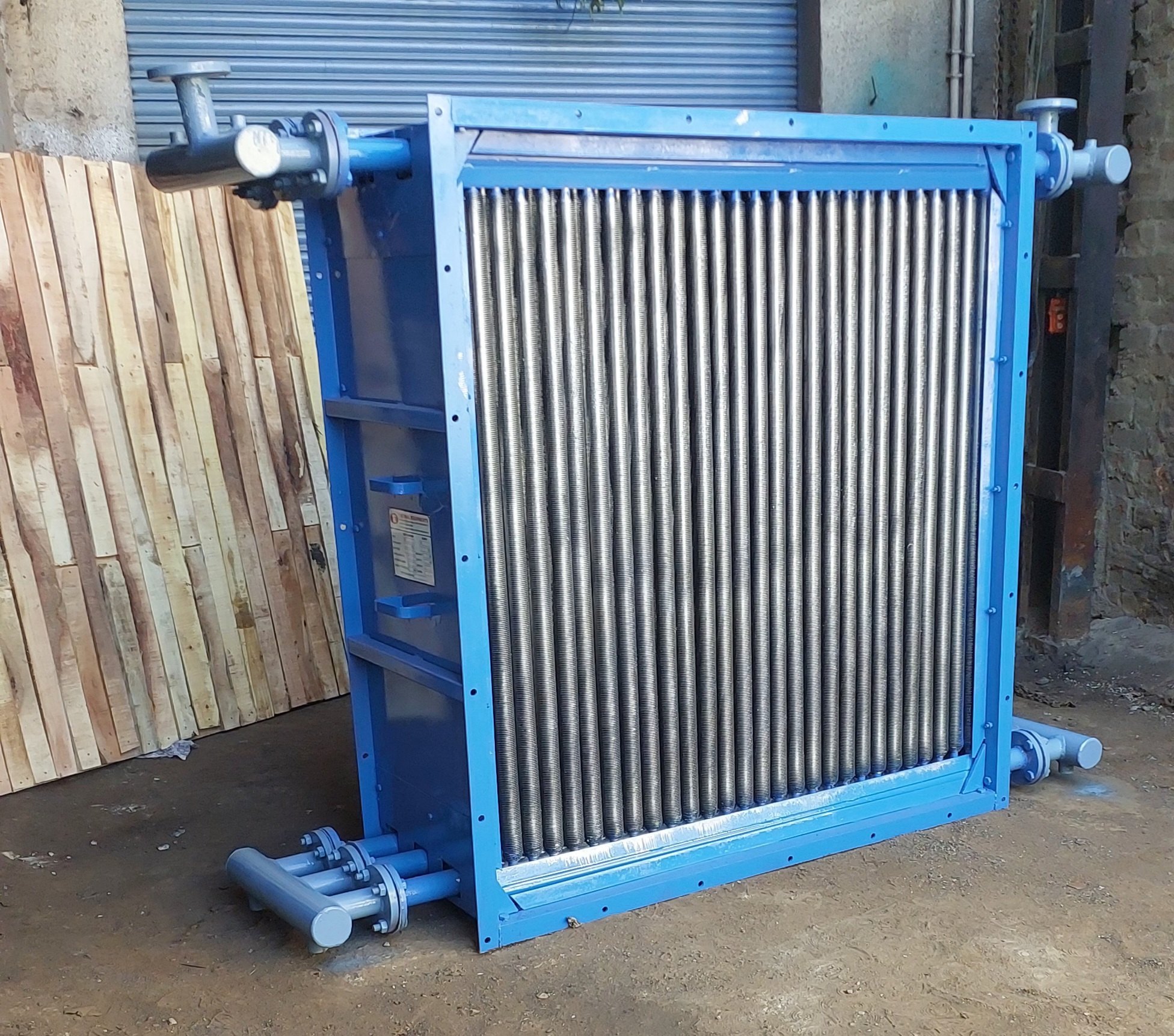
One of the standout benefits of steam heat exchangers in paddy processing is their ability to integrate with waste heat recovery systems. Many modern rice mills use boiler-generated steam for parboiling, and excess steam can be redirected to heat exchangers for drying—maximizing energy utilization and reducing fuel consumption. This closed-loop approach not only cuts operational costs but also lowers carbon emissions, aligning with sustainable agricultural practices. Additionally, steam-based systems allow for precise humidity control, reducing the risk of mold and bacterial growth during storage. Performance hinges on steam quality and smart hardware choices. A dryness fraction above 0.95 prevents condensate hammer and uneven heating, while properly sized control valves and steam traps (F&T or thermostatic) stop hunting and keep turndown smooth. Use steam-to-air finned coils for dryers, shell-and-tube exchangers for hot water in parboiling, and compact plate heat exchangers for energy-efficient interstage heating. Add vacuum breakers, condensate return with mechanical pumps, and a deaerator to protect boiler efficiency. With IoT sensors, VFD fan control, and CFD-optimized ducting, mills can continuously tune airflow uniformity and eliminate hot spots that cause re-wet and quality loss.
Innovations in steam heat exchanger design, such as compact plate heat exchangers and multi-stage drying setups, have further optimized paddy processing. These systems enable faster moisture removal while maintaining gentle heat application, ensuring high-quality output with minimal broken grains. As global rice demand grows, adopting steam heat exchangers is becoming essential for processors aiming to meet international quality standards. By investing in this technology, rice millers can achieve higher efficiency, lower energy bills, and superior product consistency—key factors in staying competitive in the agri-food market. Energy integration is where steam systems earn their keep. Recover flash steam from condensate, add economizers and blowdown heat recovery, and consider exhaust-to-inlet heat recovery to cut fuel use. Pairing steam coils with rice-husk biomass boilers creates a circular heat loop that delivers low-emission drying and strong sustainability credentials. Many plants now track KPI dashboards—specific energy per ton, OEE, and ROI—to prove short payback from heat recovery and smarter controls. The result: consistent parboiling temperature control, reduced operational costs, and credible decarbonization in sustainable rice milling.