
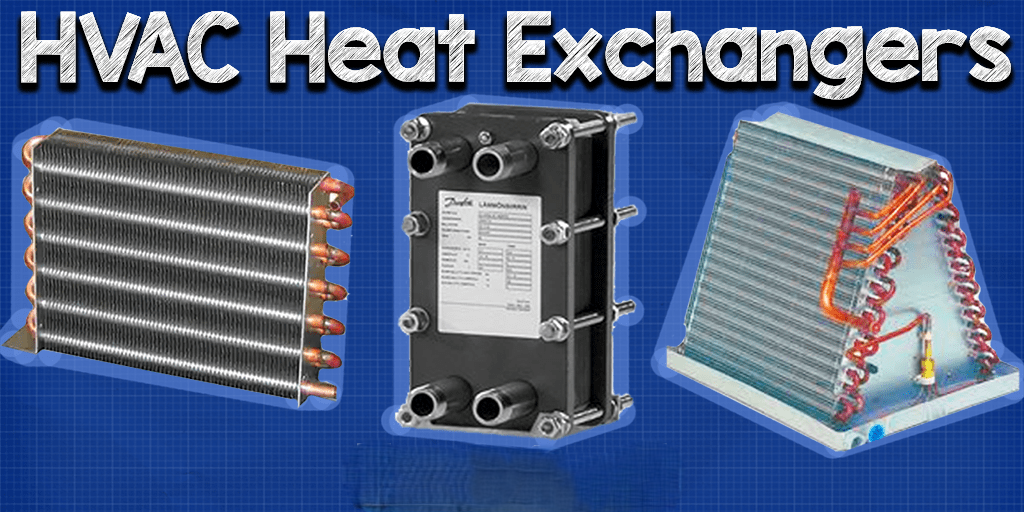
In modern heating, ventilation, and air conditioning (HVAC) systems, heat transfer coils are one of the most essential components. These coils enable the exchange of thermal energy, regulating air temperatures in diverse environments — from office buildings and hospitals to food processing plants and data centers. Without efficient coils, even the most advanced HVAC systems would fail to deliver consistent comfort or energy savings.
Whether used in evaporators, condensers, hot water circuits, or steam-based systems, these coils directly impact air quality, energy consumption, and system reliability.
What Are Heat Transfer Coils?
Heat transfer coils — commonly referred to as HVAC coils — are devices made of coiled tubing, surrounded by metal fins to maximize surface area for heat exchange. They serve as the interface between:
- The air passing through the HVAC system
- And the working fluid (such as refrigerant, water, or steam)
The tube material is usually copper due to its superior thermal conductivity, while the fins are often aluminum for efficient heat dispersion and reduced cost.
Functions & Importance in HVAC Systems
Heat transfer coils are critical to how HVAC systems condition the air:
- Temperature Control: Regulate cooling or heating output based on set indoor conditions
- Humidity Management: Evaporator coils also remove moisture from the air (dehumidification)
- Comfort & Productivity: Maintain thermal comfort in occupied spaces
- Process Accuracy: Essential in temperature-sensitive industries like pharmaceuticals or electronics
Poor coil performance = poor HVAC performance. Simple as that.
Coil Materials & Their Advantages
The material and build of the coil determine its efficiency, durability, and resistance to corrosion.
Common Materials:
- Copper Tubes + Aluminum Fins: The most common combo; balances cost, thermal conductivity, and weight
- All-Aluminum Coils: Lighter and more corrosion-resistant, ideal for coastal or humid climates
- Stainless Steel Coils: Best for highly corrosive environments, such as chemical plants
- Microchannel Coils: Use parallel flow technology for compactness and improved heat transfer
Each type is chosen based on airflow requirements, environmental exposure, and space constraints.
Enhancing Energy Efficiency & HVAC Performance
Efficient coils directly affect the energy consumption and operational cost of an HVAC system.
How Coils Improve Efficiency:
- Greater Surface Area = Better heat transfer
- Faster Air Temperature Adjustment = Shorter run times
- Lower Load on Compressors & Fans = Reduced wear
- Optimized Coil Geometry = Enhanced SEER and EER values
- Smart Coil Control (via BMS) = Demand-based performance
When paired with variable frequency drives (VFDs) or EC motors, coil performance becomes even more effective, ensuring only the required energy is used — no more, no less.
Maintenance Essentials: Keeping Coils Performing
Even the most advanced coils will degrade without regular care. Neglecting coil maintenance can lead to:
- Airflow restriction
- Refrigerant pressure imbalances
- Increased energy bills
- Reduced air quality due to mold or microbial growth
- System breakdowns
Custom Coil Solutions for Specialized Projects
Off-the-shelf coils don’t always meet the demands of high-performance or retrofit systems. That’s where custom coil engineering becomes invaluable.
Benefits of Custom Coils:
- Precision fit in retrofit HVAC systems
- Specialized fin spacing for airflow control
- Unique materials or coatings (e.g., epoxy, phenolic)
- Performance tuning for specific pressures or flow rates
- Fast production for urgent replacements or upgrades
Custom coils are especially common in OEM equipment, defense-grade HVAC units, offshore drilling platforms, and semiconductor cooling systems.
Heat transfer coils may not be the most visible part of your HVAC system, but they’re easily one of the most important. A well-selected, properly maintained coil can save thousands of rupees/dollars annually in energy costs, reduce equipment wear, and dramatically improve indoor comfort and air quality.
As buildings become smarter and sustainability becomes the standard, modern heat transfer coils are evolving with better materials, smarter designs, and longer service life — all while improving the performance of the systems they power.