
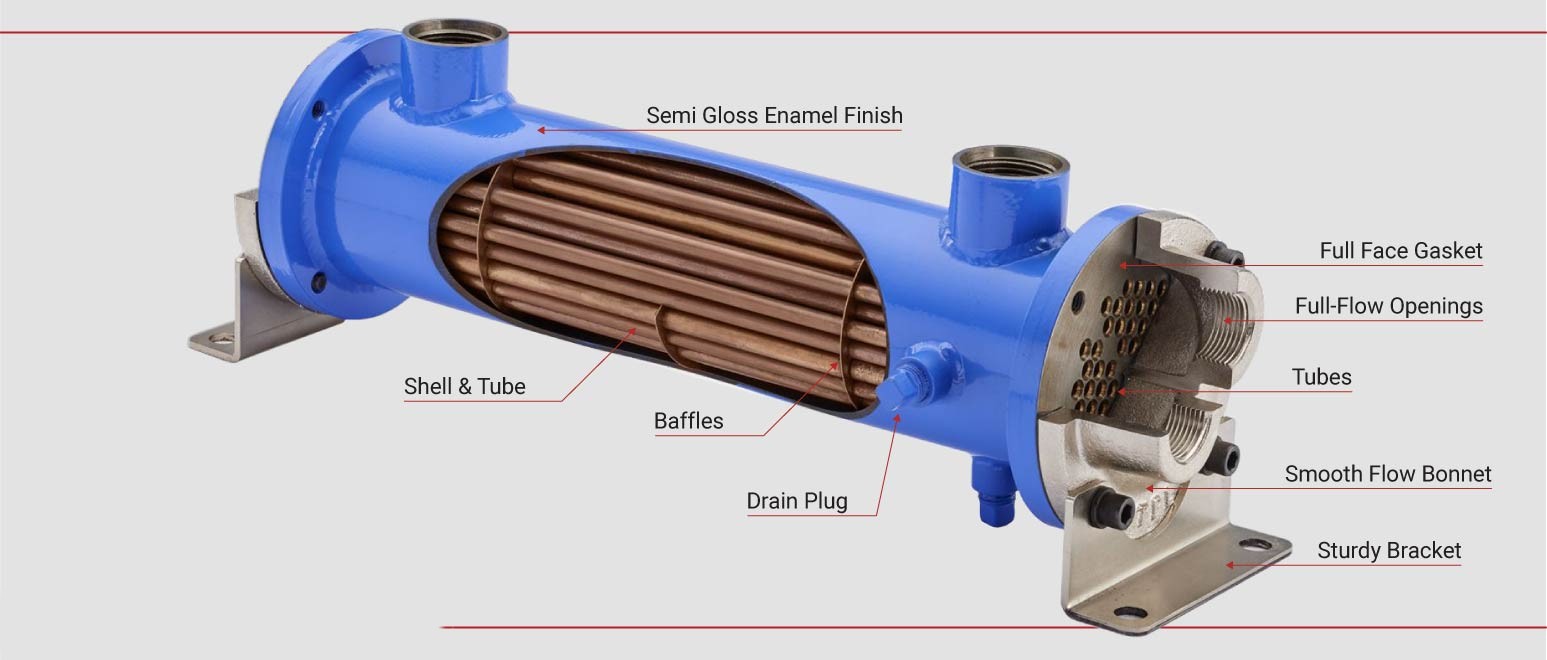
After coolers play a crucial role in industrial gas systems by significantly enhancing the efficiency and safety of compressed air and gas operations. These devices are designed to rapidly reduce the temperature of compressed gases immediately after compression, which helps to condense moisture and remove heat before the gas reaches downstream equipment. This temperature regulation prevents damage to sensitive components such as valves, instruments, and pipelines, thereby increasing system longevity and reducing maintenance costs. Additionally, by lowering the gas temperature, after coolers improve the quality of the compressed air or gas by minimizing water vapor content, which is essential for applications requiring dry and clean air.
In industries like oil and gas, chemical processing, and manufacturing, after coolers are indispensable due to their ability to optimize energy consumption. High temperatures created during compression can lead to increased energy expenditure and equipment wear. After coolers mitigate this by improving heat recovery and allowing for more efficient thermal management within the system. This directly translates to operational cost savings and enhanced process reliability. Furthermore, in pneumatic control systems and air-driven machinery, the use of after coolers ensures smooth operation by preventing moisture build-up that could cause freezing or corrosion under variable environmental conditions.
Another important application of after coolers is in HVAC and refrigeration systems, where controlling the temperature of gas streams is critical. After coolers help stabilize gas flows and maintain system pressures, which is vital for maintaining desired cooling or heating output. Their role in reducing compressed air temperature also makes them essential in food and beverage industries, where maintaining air purity and preventing contamination is a priority. Thus, the incorporation of after coolers contributes not only to operational efficiency but also to compliance with strict industry standards for air quality and safety.
In summary, after coolers are essential components in modern industrial gas systems offering benefits like temperature control, moisture removal, improved equipment lifespan, and reduced energy costs. Their wide range of applications across sectors such as oil and gas, manufacturing, HVAC, and food processing make them vital for any facility aiming for high performance and reliability. Investing in advanced after cooler technology ensures that industrial gas systems operate smoothly, efficiently, and sustainably, meeting the growing demand for optimized industrial processes.