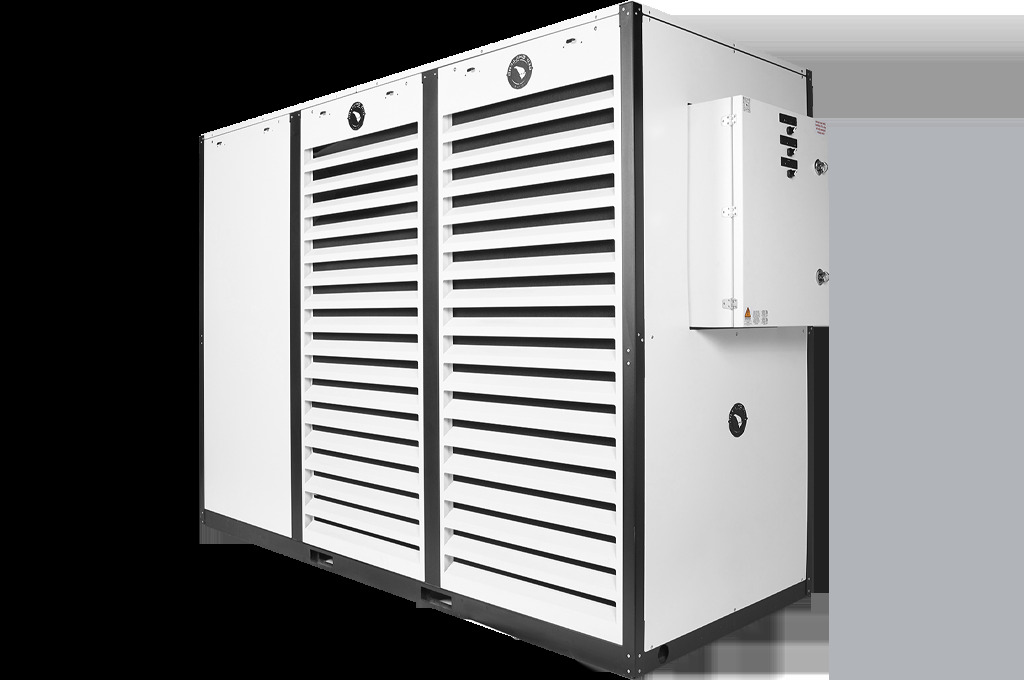
Brewery Glycol Chiller: Complete Guide to Precise Craft Beer Cooling
In craft brewing, precise temperature control separates a world-class pint from a ruined batch. A dedicated brewery glycol chiller is the backbone of any commercial or craft brewing operation, ensuring exact fermentation temperatures, rapid wort chilling, and optimal cold crashing.
Why Your Brewery Needs a Dedicated Glycol Chiller
Standard water cooling systems cannot pull temperatures low enough without freezing. A glycol cooling loop uses a food-grade propylene glycol and water mixture to circulate sub-freezing coolant through jacketed fermenters and brite tanks without freezing inside the lines.
- Precise Fermentation Control: Maintain exact temperatures for ales, lagers, and pilsners to prevent off-flavors and yeast stress.
- Rapid Wort Chilling: Cool hot wort quickly after the boil to enter the pitching phase faster and reduce contamination risks.
- Cold Crashing & Conditioning: Drop tank temperatures close to $0^\circ\text{C}$ ($32^\circ\text{F}$) to clarify beer and settle yeast before packaging.
- Multi-Tank Management: Simultaneously cool multiple fermenters, brite tanks, and cold liquor tanks (CLT) at independent temperatures.
Key Features to Look For in Commercial Brewery Chillers
| Feature | Importance in Brewing |
| Food-Grade Propylene Glycol | Non-toxic heat transfer fluid required for beverage safety standards. |
| Dual/Multi-Circuit Compressors | Provides redundancy so your brewery never loses cooling during peak production. |
| Digital Temperature Controllers | Delivers tight temperature tolerances (within $\pm 0.5^\circ\text{C}$) per vessel. |
| Corrosion-Resistant Housing | Stainless steel or coated components designed for wet, wash-down brewery environments. |
Sizing Your Brewery Glycol Chiller
Choosing the right chiller size depends on your total barrel (BBL) capacity, peak pull-down requirements, and ambient room temperatures.
- Calculate Heat Load: Account for fermentation heat, vessel insulation losses, and active wort cooling.
- Determine Tonnage: As a general rule of thumb, budget roughly $0.1$ to $0.15$ HP of chilling capacity per barrel of fermentation capacity, though heavy cold crashing requires additional margin.
- Plan for Expansion: Size your chiller reservoir and pump package to handle future tanks as your production scales.
Upgrade Your Brewery’s Thermal Efficiency
Investing in an energy-efficient, custom-engineered brewery glycol chiller protects your yeast, locks in flavor profiles, and reduces operating costs. Contact our cooling engineers today to size a system tailored to your brewery’s output.
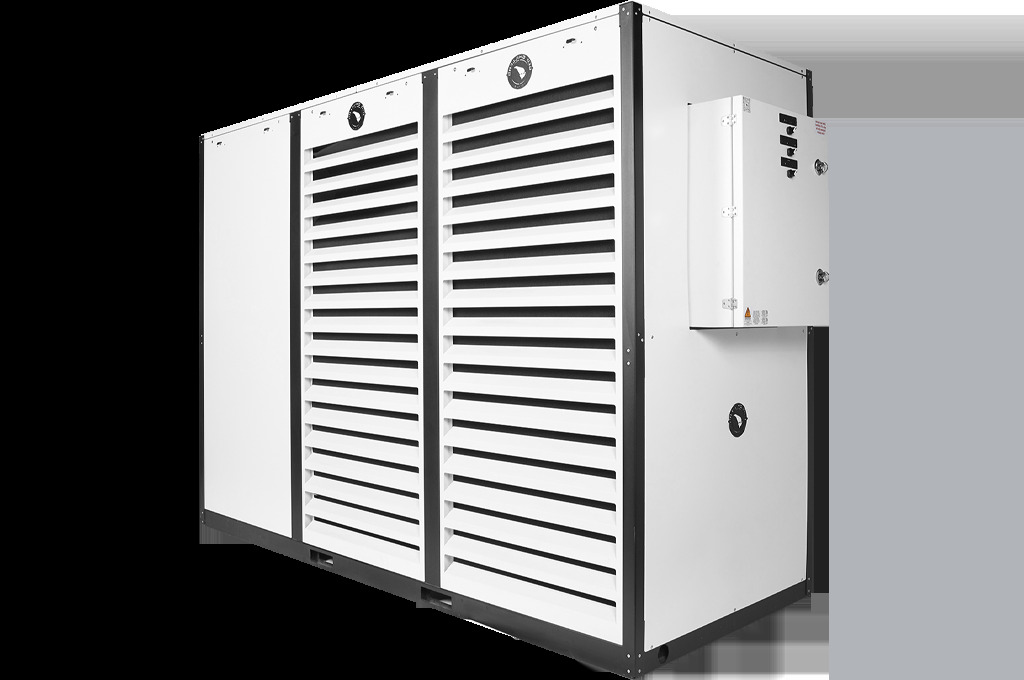
Brewery glycol chiller