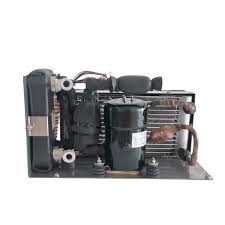
Here is a high-converting, SEO-optimized product/category page layout tailored for the title "Compacting Machine Chiller." This copy targets B2B buyers (production managers, procurement officers, and engineers) in the pharmaceutical, chemical, and food processing…
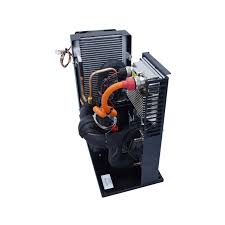
Battery cooling chiller (EV)
Battery Cooling Chillers (EV): Powering the Future of Electric Mobility In the world of Electric Vehicles (EVs), the battery pack is more than just a fuel tank; it is a complex chemical reactor…

Hatchery chiller system
When writing for Hatchery Chiller Systems, the SEO strategy shifts toward early-stage biological development and risk mitigation. Hatchery managers are looking for absolute stability, as a single degree of temperature drift can result…
Energy Savings with Properly Sized Inter Cooling Systems
Properly sized intercoolers in compressed air systems play a vital role in maintaining optimal operating temperatures between compression stages, directly impacting overall energy efficiency. When intercoolers are correctly engineered for specific applications, they…
Shell & Tube Inter Coolers in Marine and Diesel Applications
Shell & tube intercoolers are indispensable components in marine and diesel engine systems, where they play a critical role in cooling compressed air from turbochargers before it enters the combustion chamber. In harsh…
Choosing the Right Shell & Tube Inter Cooler for Industrial Use
Selecting the appropriate shell and tube intercooler is a critical decision that directly impacts the efficiency and longevity of industrial compressed air systems. While many focus on basic parameters like pressure and temperature…
Thermal Efficiency in Inter Cooling: Tips for Better Output
In high-performance engines, turbocharging and supercharging play a pivotal role in enhancing power output, but they also generate excessive heat, which can degrade efficiency. This is where intercooling systems come into play—acting as…
How Inter Coolers Reduce Thermal Stress in Compressor Units
Inter coolers play a pivotal role in optimizing the performance and longevity of compressor units by significantly reducing thermal stress. As compressed air passes through the compressor stages, it heats up due to…
Common Issues with Shell & Tube Inter Coolers and Fixes
Shell and tube inter coolers, those stalwart workhorses of industrial heat exchangers, often face a barrage of issues that would make even the most optimistic engineer roll their eyes—like fouling from debris buildup…
Applications of After Coolers in Industrial Gas Systems
After coolers play a crucial role in industrial gas systems by significantly enhancing the efficiency and safety of compressed air and gas operations. These devices are designed to rapidly reduce the temperature of…

Maintenance of Shell & Tube After Coolers in Dusty Environments
In the demanding conditions of dusty environments such as construction sites, mines, and agricultural processing plants, the performance of compressed air systems is heavily reliant on the effective maintenance of their components. Among…
Choosing Materials for Corrosion-Resistant After Coolers
Choosing the right materials for a shell & tube aftercooler is one of the most critical long-term decisions for ensuring compressed air system reliability and protecting against costly downtime. Corrosion is the primary…
Heat Recovery Using Shell & Tube After Coolers
Shell & tube aftercoolers represent a powerful dual-purpose technology in compressed air systems, simultaneously cooling hot discharge air (typically 180-350°F) to protect downstream equipment while recovering significant thermal energy otherwise wasted to atmosphere.…
Installing After Coolers for Maximum Pressure Drop Reduction
Installing an aftercooler is one of the fastest ways to cut pressure drop and boost compressed air energy efficiency—if you get the details right. A well-selected, correctly installed air compressor aftercooler reduces moisture…
Applications of Shell & Tube Condensers in Power Plants and HVAC
Shell and tube condensers are critical heat exchangers employed in power plant condenser systems and HVAC condenser solutions, driving thermal efficiency across industrial and commercial sectors. Their robust design—featuring tubes encased within a…
Cooling Medium Options for Inter Coolers: Water, Oil, or Air?
Inter coolers are crucial components in multi-stage compressors, helping to reduce the temperature of compressed air or gas between compression stages. The choice of cooling medium directly affects the efficiency, maintenance requirements, and…
Designing Efficient Shell & Tube Inter Coolers for Multistage Compressors
In multistage compressors, maintaining optimal temperature between stages is crucial for efficiency, reliability, and longevity. Shell & Tube Inter Coolers play a key role by reducing the air temperature before it enters the…
Difference Between Inter Coolers and After Coolers
In the world of compressed air systems, two essential heat exchangers often come into the spotlight — intercoolers and aftercoolers. While they both play a crucial role in cooling compressed air, their positions…
How Shell & Tube Inter Coolers Improve Compressor Performance
In compressed air systems, inter coolers play a vital role in improving efficiency, reliability, and service life. When air is compressed, its temperature rises, which reduces efficiency and can cause premature wear on…
How After Coolers Improve Efficiency in Pneumatic Systems
Pneumatic systems rely on a steady supply of clean, cool, and dry compressed air for optimal performance. After coolers play a vital role in achieving this by cooling the hot compressed air discharged…

Shell & Tube After Coolers in Compressed Air Drying Systems
Shell & tube after coolers are a vital component in compressed air drying systems, ensuring that the air delivered is free from excess moisture and contaminants. These heat exchangers operate by cooling the…
Air vs. Water Cooled After Coolers: Which Is Better?
Introduction to After Coolers After coolers are essential components in compressed air systems, designed to reduce the temperature of compressed air before it enters downstream equipment. This temperature reduction not only increases efficiency…
Design Considerations for Effective After Cooling
After cooling is a critical process in many industrial systems, particularly in compressed air applications, refrigeration setups, and gas processing units. The primary role of an after cooler is to reduce the temperature…
Role of Shell & Tube After Coolers in Air Compressor Systems
Shell & tube after coolers play a vital role in maintaining the performance, safety, and longevity of air compressor systems. These after coolers are designed to reduce the temperature of compressed air immediately…
Inspection and Testing Tips for Shell & Tube Evaporator Systems
Shell & Tube evaporators are widely used in industrial refrigeration and HVAC systems for their high efficiency, durability, and adaptability to various cooling applications. However, to ensure long-term performance, regular inspection and testing…
Shell & Tube Evaporators for Low-Temperature Applications
Low-temperature applications — such as cold storage, blast freezers, and cryogenic processes — demand refrigeration systems that deliver high efficiency, reliable performance, and precise temperature control under extreme operating conditions. One of the…