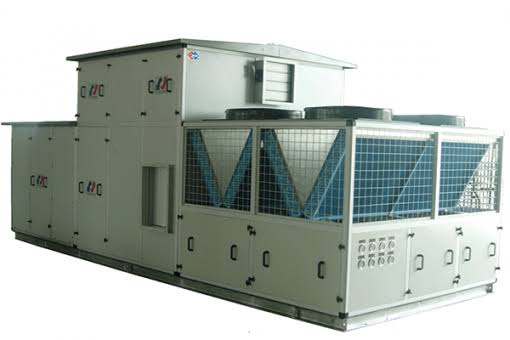

To create high-performing SEO content for a hotel chiller plant topic, the exact angle depends on who you are targeting. Hotel property managers, directors of engineering, and sustainability officers all look for different things—usually centered around reducing massive utility bills or preventing catastrophic AC failures that result in guest complaints.
Here is a fully optimized, comprehensive SEO content blueprint—including meta data, a targeted content outline, and the core article body—designed to rank for high-intent B2B keywords.
SEO Meta Data & Strategy
- Target Primary Keyword: hotel chiller plant efficiency
- Secondary Keywords: HVAC optimization for hotels, commercial chiller maintenance, reducing hotel energy costs, hospitality cooling systems.
- Search Intent: Informational / Commercial Investigation (Looking for ways to cut costs, upgrade equipment, or optimize existing HVAC setups).
- Target URL Slug:
/hotel-chiller-plant-efficiency-guide - Meta Title: Hotel Chiller Plant Optimization: Cut Energy Costs Without Sacrificing Guest Comfort
- Meta Description: Discover how to optimize your hotel chiller plant. Learn proven strategies to reduce energy consumption by up to 30%, extend equipment life, and keep guests perfectly comfortable.
The Content: Complete Optimized Article
The Hotel Chiller Plant Optimization Guide: Cut Costs, Not Guest Comfort
For a hotel, the chiller plant is the unsung hero of operations—and the biggest line item on the utility bill. Heating, ventilation, and air conditioning (HVAC) systems typically consume 40% to 50% of a hotel’s total electricity, with the central chiller plant claiming the lion’s share.
If your chiller plant is inefficient, you are literally leaking profits into the air. But cutting back blindly means warm rooms, humid lobbies, and negative online reviews.
The goal isn’t just running the system less; it’s running it smarter. Here is how modern hospitality engineering teams are optimizing hotel chiller plants to achieve up to a 15% to 30% reduction in cooling energy consumption.
1. The High Cost of the “Set It and Forget It” Mentality
Many hotel maintenance teams operate under a reactive model: if the guests aren’t complaining about the temperature, the chiller plant is assumed to be working fine.
However, a chiller can run continuously, keep rooms cool, and still be wildly inefficient due to scaled condenser tubes, low refrigerant levels, or degraded cooling tower performance. A drop in chiller efficiency by just 10% can cost a mid-sized hotel tens of thousands of dollars annually in hidden energy waste.
2. Core Strategies for Hotel Chiller Plant Optimization
Optimizing a central plant requires looking at the system holistically—chillers, pumps, and cooling towers must work in harmony.
Implement Demand-Based Control (VFDs)
Hotels experience highly variable cooling loads depending on occupancy rates, events, and the time of day.
- The Fix: Equip your chiller compressors, chilled water pumps, and cooling tower fans with Variable Frequency Drives (VFDs). Instead of running at 100% capacity all the time, VFDs allow components to scale down smoothly to match the actual real-time cooling demand of the property.
Optimize Chilled Water Reset Schedule
Traditionally, chillers supply water at a fixed temperature (usually around 44°F / 6.6°C).
- The Fix: Implement a chilled water reset strategy. When the outdoor ambient temperature drops or hotel occupancy is low, raise the chilled water setpoint by a few degrees. Raising the chilled water temperature by just 1°F can improve chiller efficiency by roughly 1.5% to 2%.
Maintain the Cooling Towers
Your chiller is only as good as its ability to reject heat. If your cooling towers are fouled with algae, scale, or debris, the entire plant has to work twice as hard.
- The Fix: Schedule monthly water chemistry checks to prevent scale buildup and execute biannual deep cleans of the tower fill.
3. Preventive Maintenance Checklist for Hospitality Engineers
To keep your plant operating at peak efficiency, embed these tasks into your facility’s preventive maintenance (PM) software:
| Frequency | Maintenance Action | Target Outcome |
| Daily | Log operating pressures, temperatures, and fluid levels. | Establish a baseline to catch gradual performance drift. |
| Monthly | Test water treatment chemistry and analyze condenser water. | Prevent scale formation and biological growth (like Legionella). |
| Quarterly | Inspect electrical connections and check for refrigerant leaks. | Ensure operational safety and prevent environmental compliance issues. |
| Annually | Mechanically brush condenser tubes and analyze compressor oil. | Restore optimal heat transfer efficiency before peak summer loads. |
4. The Role of Smart Building Automation (BMS)
Modern hotel chiller optimization relies heavily on automation. Integrating your chiller plant with an intelligent Building Management System (BMS) allows for automated sequencing.
If your property uses multiple chillers, a smart BMS ensures that you aren’t running two chillers at 40% capacity when running a single chiller at 80% capacity would be vastly more efficient. Furthermore, integrating the BMS with the hotel’s property management system (PMS) allows the HVAC system to automatically enter “energy-saving mode” in rooms that are flagged as unoccupied or un-rented for the night.
Next Steps for Hotel Operators
Upgrading or optimizing a hotel chiller plant is one of the highest-ROI capital expenditure (CapEx) projects a property can undertake. The payback period for variable speed upgrades or smart automation controls is often under two to three years, yielding pure savings directly to your bottom line for a decade to follow.