
Here is a web copy optimized for the focus keyword “Commercial Building Chiller”. It balances rich technical data for facility managers with structural SEO patterns (H1, H2, tables, and scannable bullet points) to optimize search visibility.
High-Efficiency Commercial Building Chiller Systems: Ultimate HVAC Guide
Maintaining optimal indoor climate control in corporate offices, hospitals, hotels, and retail complexes requires a massive amount of energy. A commercial building chiller serves as the heart of a large-scale central HVAC plant, removing heat from internal spaces to keep hundreds of occupants comfortable while protecting sensitive IT infrastructure and machinery.
Choosing the right central chiller system can reduce your property’s utility bills by up to 30%, drastically shrink its carbon footprint, and guarantee long-term operational reliability.
The Two Main Types of Commercial Building Chillers
Commercial structures typically implement one of two principal configurations based on spatial limitations, water availability, and local weather patterns:
1. Water-Cooled Chillers
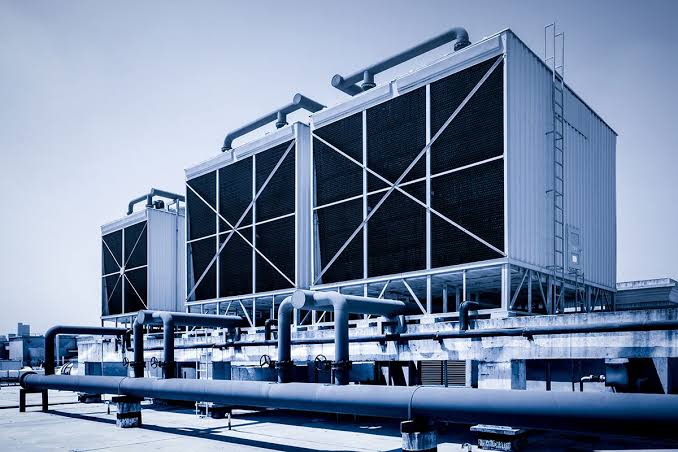
Typically installed indoors within a designated mechanical room, these systems connect directly to an external cooling tower on the roof. They use water to reject absorbed heat, offering exceptionally high energy efficiency for large structures.
- Best For: High-rise office towers, large hospitals, manufacturing sites, and corporate campuses.
- Key Advantage: Peak thermodynamic efficiency, resulting in lower long-term operating costs.
2. Air-Cooled Chillers
These systems are self-contained and installed entirely outdoors (roof or ground level). They utilize mechanical fans to force ambient air across condenser coils to reject heat.
- Best For: Mid-sized commercial spaces, facilities with structural weight limits, or regions facing strict water restrictions.
- Key Advantage: Lower upfront capital investment, simpler maintenance, and zero water consumption.
Core Technical Specifications Comparison
| Parameter | Air-Cooled Systems | Water-Cooled Systems |
| Capacity Range | 10 to 500+ Tons | 30 to 5,000+ Tons |
| Installation Footprint | External (Roof/Ground) | Internal Mechanical Room + Roof Tower |
| Lifespan | 15 to 20 Years | 20 to 30+ Years (with maintenance) |
| Compressor Options | Scroll, Screw | Screw, Centrifugal, Magnetic Bearing |
| Lifespan/Efficiency Ratio | Lower upfront, higher utility costs | Higher upfront, lowest utility costs |
Features to Prioritize for Modern Commercial Properties
When upgrading an existing HVAC system or designing a new facility, evaluate systems based on these performance metrics:
- Variable Speed Drives (VSD): Chillers rarely operate at 100% capacity. Integrating variable speed infrastructure allows compressors to match part-load building demands precisely, eliminating wasteful energy spikes.
- Magnetic Bearing Compressors: Oil-free magnetic levitation tech completely removes friction from internal rotating components. This lowers maintenance requirements and preserves peak operating efficiencies over decades.
- Low Global Warming Potential (GWP) Refrigerants: Opt for environmentally conscious refrigerants (like R-1233zd or R-514A) to ensure compliance with shifting environmental mandates and qualify for green building certifications like LEED.
- Smart Automation Integration: Seamlessly syncs with existing Building Management Systems (BMS) via BACnet or Modbus protocols to offer predictive fault detection, automated scheduling, and remote monitoring.
Signs Your Commercial Chiller Needs an Upgrade
If your building’s current cooling infrastructure is demonstrating any of the following symptoms, it may be time to consult an HVAC engineer for a modern replacement:
- Rising Utility Costs: A steady year-over-year increase in power bills with no change in building usage indicates degrading internal heat transfer efficiency.
- Frequent Component Failures: Constantly replacing compressor valves, repairing refrigerant leaks, or fixing electrical components signal system fatigue.
- Inability to Hold Setpoint: If tenant spaces stay humid or warm during peak summer afternoons, the current plant has likely lost its handling capacity.
Tailored Cooling Solutions for Your Infrastructure
Don’t let an outdated commercial building chiller drain your operating budget. Our team of certified mechanical engineers specializes in custom cooling plant design, execution, and retrofit services. Contact us today to schedule a detailed energy audit and see how much your property can save.