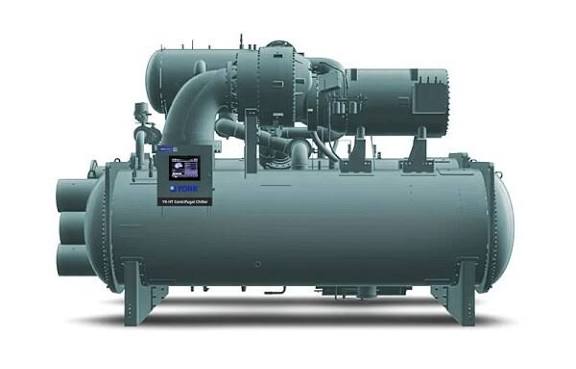

Here is a highly structured, SEO-friendly article template specifically optimized for search queries like hospital chiller plant design, healthcare HVAC redundancy, and critical cooling systems for hospitals.
Hospital Chiller Plants: Designing Critical Cooling for Patient Care
In a standard office building, an HVAC failure is an inconvenience. In a hospital, it is a life-threatening crisis.
From maintaining sterile operating room environments to cooling sensitive MRI machines and protecting compromised patients, a hospital chiller plant is the unsung backbone of healthcare infrastructure. Because these facilities operate 24/7/365, their chilled water systems must meet unmatched standards of reliability, redundancy, and air quality.
Here is an in-depth guide to how modern healthcare facilities design, manage, and optimize their chiller plants to ensure continuous operation and regulatory compliance.
The Non-Negotiable Standards of Healthcare Cooling
While standard commercial chiller plants prioritize energy efficiency above all else, healthcare facilities must balance efficiency with strict safety codes (such as ASHRAE Standard 170 for ventilation of healthcare facilities).
1. N+1 Redundancy (Zero-Downtime Guarantee)
Hospitals cannot afford a single point of failure. If a chiller requires emergency maintenance, a backup must instantly shoulder the load. Most hospital plant designs implement an N+1 or N+2 redundancy strategy, where “N” represents the number of chillers required to meet the peak cooling demand, and “+1” or “+2” represents the standby units ready to activate instantly.
2. Precise Dehumidification and Temperature Control
Operating rooms (ORs) are kept cold (often between 18°C and 23°C / 64°F to 73°F) to slow bacterial growth and keep surgical teams comfortable under intense lights. Achieving this requires the chiller plant to supply incredibly cold water—typically around 4°C (40°F)—to the air handling units (AHUs). This deep cooling strips moisture out of the air, keeping relative humidity levels strictly within the safe 30% to 60% window.
3. High Air-Exchange Demands
To limit airborne pathogens, hospital HVAC systems must bring in massive amounts of fresh outdoor air rather than continuously recycling indoor air. Conditioning 100% outdoor air takes immense energy. Hospital chillers must have the high-capacity muscle to handle these intense heat and moisture loads simultaneously.
Choosing the Right Chiller Configuration
Most large-scale hospitals rely on water-cooled systems due to their superior capacity and thermodynamic efficiency, though air-cooled units play an important role in mid-sized facilities or as dedicated emergency backups.
| System Type | Best Suited For | Key Advantage | Major Drawback |
| Water-Cooled Centrifugal | Large medical campuses | Highest thermodynamic efficiency; long lifespan (25+ years) | High water consumption; requires cooling towers |
| Air-Cooled Rotary Screw | Community hospitals & clinics | No water use; lower installation costs; simpler maintenance | Lower efficiency during peak summer heat; shorter lifespan |
| Modular Chiller Arrays | Retrofits & urban hospitals | Exceptional step-down reliability; scales easily | Higher upfront cost per ton of cooling |
Maximizing Energy Efficiency Without Sacrificing Safety
Hospitals are incredibly energy-dense buildings, often consuming more than double the energy of a similarly sized commercial property. Optimizing the chiller plant is the single most effective way to lower utility bills and reduce a facility’s carbon footprint.
- Variable Speed Drives (VSDs): By equipping chiller compressors and condenser pumps with VSDs, the system can dial its energy usage up or down to precisely match the hospital’s real-time load, rather than running at 100% capacity around the clock.
- Heat Recovery Chillers: Healthcare facilities require constant, massive volumes of hot water for laundry, sterilization, and patient showers. Heat recovery chillers capture the waste heat generated during the cooling process and redirect it to preheat domestic water, bypassing the main boilers and saving immense utility costs.
- Waterside Economizers (“Free Cooling”): In colder climates, hospitals can run their chilled water loops through a heat exchanger exposed to cold outdoor air. This allows the facility to bypass mechanical refrigeration entirely during winter months, giving the heavy compressors a rest.
Key Considerations for Facility Managers
When overseeing a hospital chiller plant upgrade or new build, keep these high-priority design parameters in mind:
- Dual-Fuel Capabilities: Ensure standby generators have the electrical capacity to power the chiller plant during municipal grid failures.
- Water Treatment Protocols: Implement rigorous water treatment inside cooling towers to prevent the growth of Legionella and other biological hazards.
- Vibration Isolation: Ensure heavy chillers located near patient wards or imaging labs are mounted on robust vibration-damping pads to avoid interfering with diagnostic equipment like MRIs.