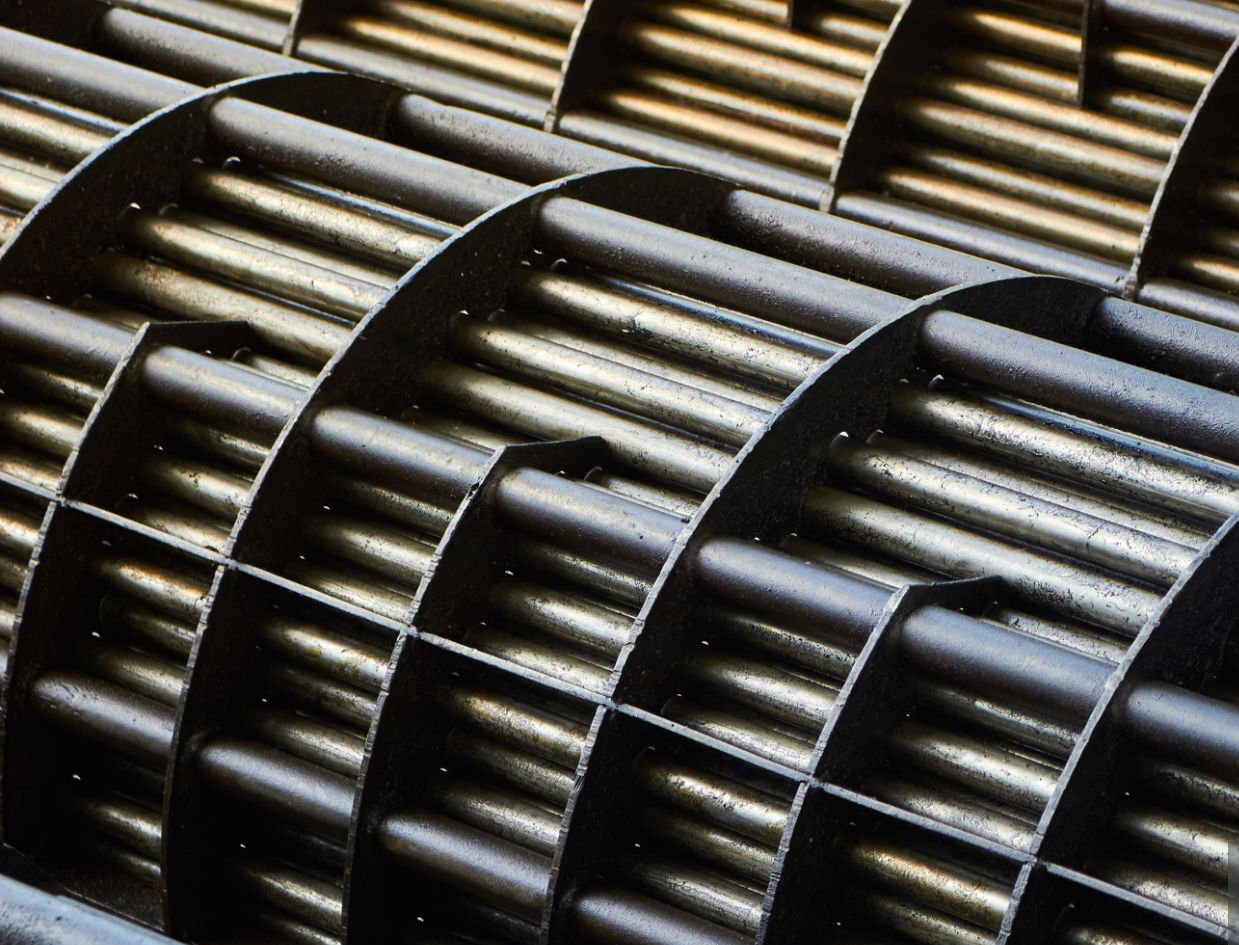
Shell & Tube evaporators are widely used in industrial refrigeration and HVAC systems for their high efficiency, durability, and adaptability to various cooling applications. However, to ensure long-term performance, regular inspection and testing are crucial. Proactive maintenance helps in identifying issues early, preventing costly breakdowns, and improving overall energy efficiency.
Importance of Routine Inspections
Routine inspections are the foundation of any effective maintenance plan. Over time, factors like fouling, corrosion, and scaling can significantly reduce an evaporator’s efficiency. By scheduling periodic visual and operational checks, operators can detect minor issues before they escalate. Inspections should cover both the tube bundle and shell surfaces to ensure there are no leaks, pitting, or signs of wear.
Non-Destructive Testing (NDT) Methods
NDT techniques like ultrasonic testing, eddy current testing, and dye penetrant inspection are vital for evaluating tube integrity without dismantling the equipment. These methods allow technicians to identify cracks, thinning, or defects in the tubes while keeping the system operational, minimizing downtime.
Pressure and Leak Testing
Pressure testing is an essential step in verifying the evaporator’s operational safety. Hydrostatic or pneumatic testing can be used to confirm the integrity of the shell and tubes. Leak detection should be performed using tracer gases like helium or nitrogen, ensuring refrigerant loss is prevented and system performance remains optimal.
Monitoring Refrigerant Flow and Temperature
Anomalies in refrigerant flow rates or temperature differentials can signal underlying issues in the evaporator system. Installing flow meters, pressure gauges, and temperature sensors allows for real-time monitoring, enabling operators to detect blockages, uneven distribution, or inefficient heat transfer.
Tube Cleaning and Fouling Prevention
Even with regular inspections, fouling can accumulate inside tubes due to impurities in water or refrigerant. Mechanical or chemical cleaning should be carried out based on inspection results. Water treatment programs and proper filtration can help minimize scaling and biofilm growth, maintaining optimal performance.
Documentation and Maintenance Records
Keeping detailed inspection logs, test results, and maintenance histories is essential for effective long-term management. This documentation helps in trend analysis, predictive maintenance planning, and regulatory compliance.
A well-maintained Shell & Tube evaporator not only ensures efficient cooling but also extends the life of the equipment. Regular inspections, effective testing methods, and proper cleaning procedures are key to preventing costly repairs and downtime, making them an indispensable part of industrial refrigeration and HVAC operations.