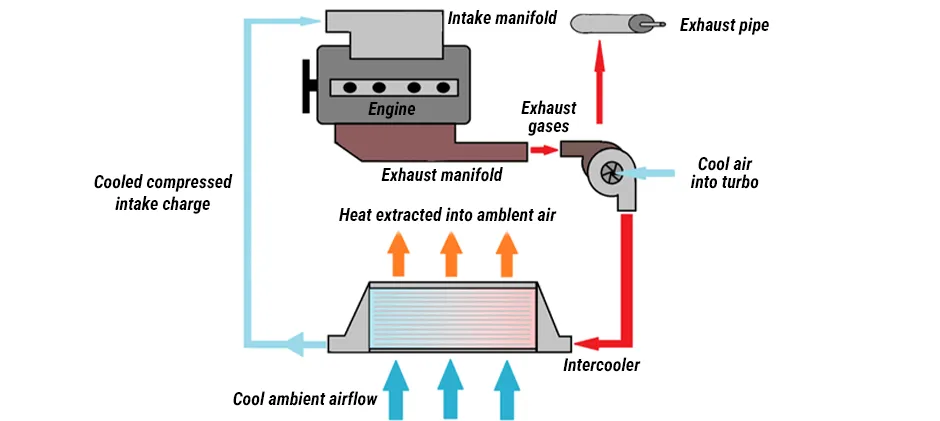
Inter coolers play a pivotal role in optimizing the performance and longevity of compressor units by significantly reducing thermal stress. As compressed air passes through the compressor stages, it heats up due to the compression process, leading to increased temperatures that can strain the system. Inter coolers, also known as air-to-air or air-to-liquid heat exchangers, are strategically placed between compressor stages to cool the air before it enters the next stage. This cooling process lowers the temperature of the compressed air, reducing the overall work load on the compressor and minimizing thermal stress on critical components like pistons, valves, and seals. By maintaining lower operating temperatures, inter coolers enhance efficiency, reduce energy consumption, and prevent overheating, which can lead to costly downtime and repairs.
The effectiveness of inter coolers lies in their ability to dissipate heat efficiently, ensuring that the compressor operates within safe temperature limits. For industrial compressors, this is particularly crucial as high temperatures can accelerate wear and tear, leading to premature failure. Inter coolers also improve air quality by condensing moisture, which is then removed through drains, preventing corrosion and contamination downstream. Additionally, the use of inter coolers allows compressors to achieve higher compression ratios without compromising performance, making them indispensable in applications like HVAC systems, pneumatic tools, and gas processing plants.
Incorporating inter coolers into compressor units not only extends their lifespan but also contributes to energy efficiency and cost savings. By reducing the temperature of the compressed air, inter coolers lower the power required for compression, directly translating to reduced electricity bills. This makes them a sustainable solution for industries aiming to minimize their carbon footprint while maximizing operational efficiency. For businesses looking to invest in reliable compressor systems, inter coolers are a must-have component to ensure optimal performance and long-term reliability.
Overall, the use of inter coolers in compressor units demonstrates a forward-thinking approach to thermal stress reduction and energy efficiency. The advanced cooling technology not only extends the lifespan of critical machinery but also contributes to a more sustainable and cost-effective operation. As industries continue to prioritize eco-friendly practices and efficient energy use, inter coolers are becoming a vital component in the evolution of compressor technology.