
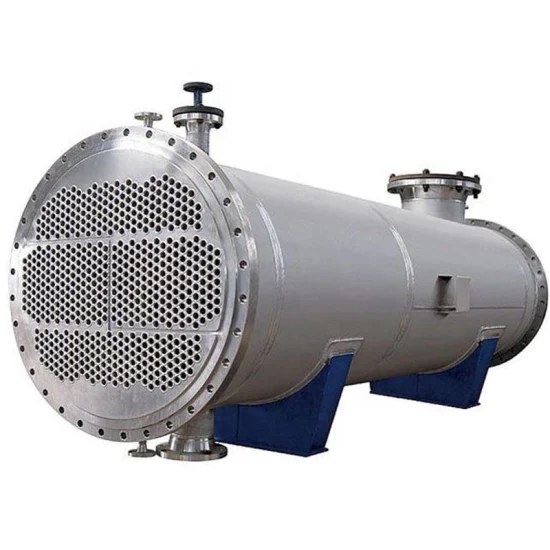
Properly sized intercoolers in compressed air systems play a vital role in maintaining optimal operating temperatures between compression stages, directly impacting overall energy efficiency. When intercoolers are correctly engineered for specific applications, they reduce the work required by compressors, leading to lower electricity consumption and operational costs. Studies show that facilities implementing right-sized intercooler solutions can save up to 10% on energy bills while enhancing system reliability. This makes intercooler sizing a cornerstone of industrial energy efficiency strategies, especially for manufacturing and processing facilities where compressed air systems account for a substantial portion of energy use.
Undersized intercoolers fail to adequately cool compressed air, causing higher discharge temperatures that force compressors to work harder in subsequent stages. This inefficiency not only increases energy use but also accelerates wear on components. Conversely, oversized intercoolers may create excessive pressure drops, which also waste energy as compressors struggle to overcome resistance. Achieving the perfect balance requires careful analysis of airflow rates, ambient conditions, and system demands—factors that demand expertise beyond basic installation guidelines. Many businesses overlook this nuanced optimization, leading to avoidable energy waste and higher operational expenses. Proper sizing ensures maximum cooling effectiveness without compromising system pressure, directly contributing to cost-effective and sustainable operations.
To maximize energy savings, industries should prioritize regular intercooler maintenance, including cleaning heat exchanger surfaces and monitoring pressure differentials. Partnering with energy efficiency experts for comprehensive system audits ensures precise sizing and optimal performance. These proactive measures not only reduce operational costs but also align with broader sustainability initiatives, helping businesses meet regulatory standards and corporate environmental goals while improving long-term equipment lifespan. Integrating intercooler optimization into a holistic energy management plan can also unlock additional savings through predictive maintenance and real-time performance monitoring, making it a smart investment for any forward-thinking organization.
Beyond immediate cost reductions, properly sized intercoolers contribute to a more resilient and eco-friendly industrial operation. By minimizing energy waste and extending component life, these systems support lower carbon emissions and reduced downtime. As global focus on sustainable manufacturing grows, optimizing intercooler performance emerges as a simple yet powerful lever for companies aiming to lead in energy efficiency and environmental stewardship. This approach not only strengthens competitiveness through lower operational costs but also positions businesses as responsible stewards of resources in an increasingly regulated industrial environment.