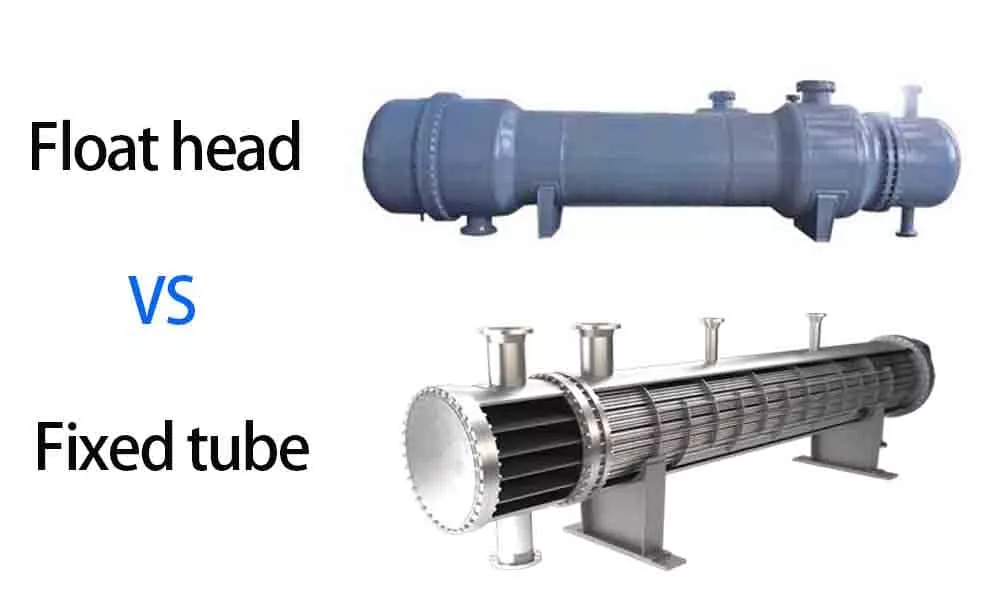
When it comes to heat exchanger technology, the choice between removable tube designs and fixed tube designs plays a critical role in efficiency, maintenance, and overall lifecycle cost. Fixed tube exchangers are robust and cost-effective, making them a reliable choice for industries with clean fluids and stable operations. However, in applications where scaling, fouling, or frequent cleaning is expected, removable tube designs provide unmatched flexibility and long-term performance.
One of the primary advantages of removable tube heat exchangers is their easy accessibility for maintenance and inspection. Since the tube bundle can be detached, industries dealing with dirty fluids, corrosive environments, or high scaling rates can save both downtime and operational costs by cleaning or replacing the tubes without disturbing the entire unit. On the other hand, fixed tube exchangers are simpler in design and ideal for high-pressure and high-temperature applications where fluid cleanliness is consistent.
Removable tube designs also offer extended durability, as they allow replacement of worn-out tubes without discarding the whole shell. This makes them more cost-efficient for industries like petrochemical, power generation, and pharmaceuticals, where uptime and cleanliness are crucial. Fixed tube designs, however, shine in situations requiring compactness and high reliability with minimal maintenance needs.
In conclusion, both designs have their own unique strengths. Choosing between removable tube heat exchangers and fixed tube heat exchangers depends largely on the process requirements, budget considerations, and maintenance expectations. For industries seeking long-term flexibility and hassle-free servicing, removable designs stand out, while fixed tube exchangers remain a dependable solution for rugged and stable operations.