
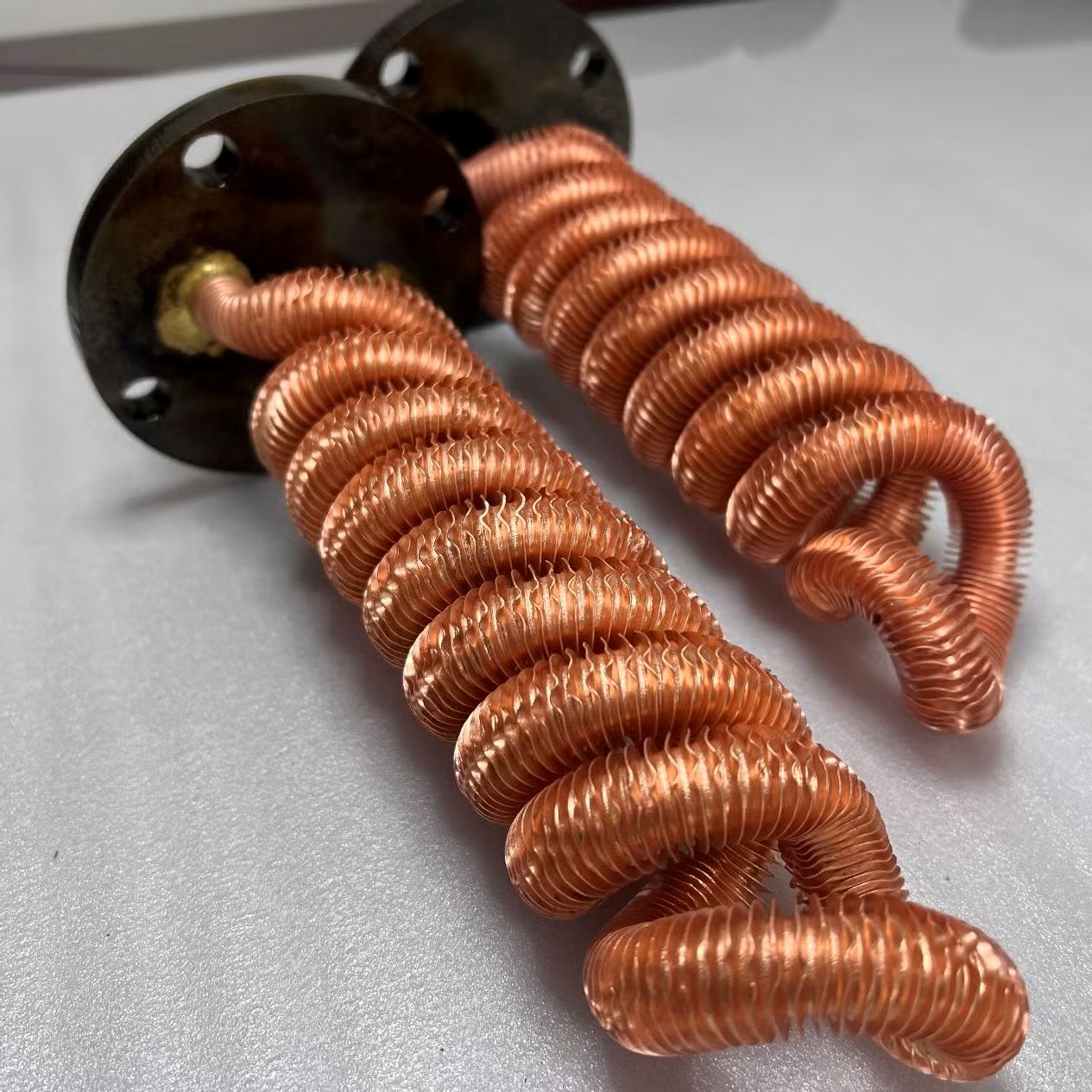
Oil cooling is a critical process in industrial machinery, automotive systems, and power generation equipment where excess heat must be efficiently removed to maintain performance. Finned coils are widely used for this purpose because they maximize surface area for heat dissipation while maintaining compactness and reliability. Choosing the right finned coil for oil cooling ensures not only proper temperature control but also extends the service life of engines, hydraulic systems, and compressors.
Several factors must be considered when selecting a finned coil for oil cooling, including operating temperature, pressure, type of oil, and environmental conditions. Common materials used in finned coils include copper, aluminum, stainless steel, and carbon steel, each offering specific advantages depending on the application. For instance, copper and aluminum provide excellent thermal conductivity, while stainless steel and carbon steel offer corrosion resistance and durability in demanding industrial environments. Selecting the right fin configuration, tube design, and coating further enhances the coil’s efficiency.
In addition to material selection, airflow design, maintenance needs, and system integration play a crucial role in ensuring effective oil cooling. Properly sized finned coils reduce energy consumption, minimize downtime, and improve overall system performance. Industries benefit from investing in high-quality coils designed for specific applications, whether for heavy-duty mobile equipment, HVAC systems, or industrial machinery. Ultimately, the right finned coil choice ensures efficient heat transfer, reliable operation, and long-term cost savings in oil cooling applications.