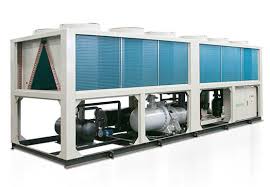

In the construction industry, temperature control is the difference between a project’s success and a structural failure. As global temperatures rise and infrastructure standards become more stringent, a concrete batching chiller has become an indispensable asset for modern batching plants.Below is SEO-optimized content designed to rank for high-intent keywords while establishing your brand as a technical authority in the construction and industrial cooling space.High-Performance Concrete Batching Chillers: Mastering Temperature for Structural IntegrityMaintaining the ideal pour temperature is critical for ensuring the strength and durability of high-performance concrete. A concrete batching chiller provides the precise thermal control needed to manage the exothermic reaction during hydration, especially in mass pours and hot-weather environments.By integrating a dedicated cooling system into your batching plant, you ensure that every mix meets international engineering standards and avoids the risks associated with thermal cracking.The Science of Cooling: Why Batching Chillers are EssentialWhen cement reacts with water, it generates heat. If the internal temperature of the concrete rises too quickly or too high, several structural issues can occur:Thermal Cracking: Large temperature differentials between the core and the surface of a concrete slab lead to internal stress and cracks.Reduced Workability: High temperatures cause water to evaporate quickly, leading to “slump loss” and making the concrete difficult to pour and finish.Lower Final Strength: Concrete that cures too quickly in high heat often has a lower ultimate compressive strength than concrete cured at controlled temperatures.Delayed Ettringite Formation (DEF): Excessive heat during the initial set can lead to long-term internal expansion and structural failure years later.Key Features of Industrial Concrete ChillersNot all chillers are built for the dusty, high-demand environment of a concrete plant. A true concrete batching chiller should offer:High-Volume Chilled Water Production: Ability to cool large volumes of mix water from ambient temperatures down to 1°C to 5°C rapidly.Heavy-Duty Filtration: Concrete plants are dusty environments; chillers must feature robust air and water filtration to prevent clogging and maintenance downtime.Variable Load Management: The ability to adjust cooling capacity based on the ambient air temperature and the specific requirements of the mix design.Corrosion-Resistant Components: Designed with high-grade materials to withstand the chemical exposure and outdoor conditions typical of construction sites.Applications: Where Temperature Control is Non-NegotiableApplicationWhy Cooling is RequiredDam & Bridge ConstructionMass pours require low internal temperatures to prevent catastrophic thermal cracking.High-Rise FoundationsDeep mats and rafts generate immense heat that must be mitigated for structural safety.Hot-Weather ConcretingEssential for maintaining pourability when ambient temperatures exceed 30°C.Precast ConcreteEnsures consistent setting times for faster mold turnaround and high-quality finishes.Engineered Cooling Solutions for Global ConstructionAt [Your Company Name], we provide specialized concrete cooling systems that integrate seamlessly with your existing batching infrastructure. From portable air-cooled units for remote job sites to large-scale water-cooled plants, our technology ensures your concrete stays cool, compliant, and strong.Need to meet a specific temperature specification for your next project?[Request a Cooling Calculation] | [Browse Our Batching Chiller Range]SEO Metadata StrategyFocus Keyword: Concrete batching chillerSecondary Keywords: Concrete cooling system, chilled water for concrete, mass pour temperature control, industrial batching plant chiller.Meta Description: Ensure structural integrity with high-efficiency concrete batching chillers. Control hydration heat, prevent thermal cracking, and maintain workability in any climate.