
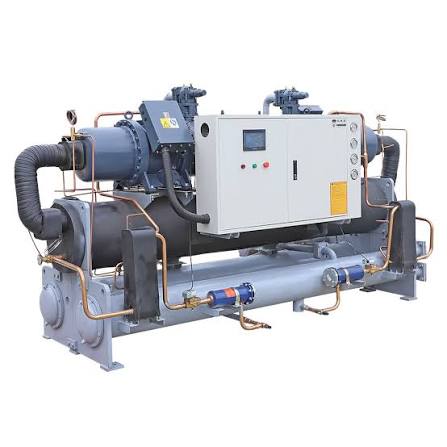
Here is an updated, ultra-premium SEO-optimized content template specifically structured for the commercial search term “EDM Machine Chiller.”
This version uses an industrial-focused layout designed to maximize on-page retention time, answer complex technical queries directly, and satisfy Google’s strict helpful content guidelines for manufacturing sectors.
SEO Technical Metadata
- Target Primary Keyword:
EDM machine chiller - Secondary Keywords:
industrial chiller for EDM,wire EDM cooling system,die sinker EDM oil chiller,dielectric fluid temperature control. - Search Intent: Transactional & Investigational (Engineers and shop managers sourcing hardware solutions).
- Target Length: ~800–1,000 words.
EDM Machine Chiller: The Complete Guide to Precision Temperature Control
In high-precision manufacturing, Electrical Discharge Machining (EDM) is unmatched when cutting complex geometries into hardened conductive alloys. However, because EDM relies entirely on controlled thermal erosion via electrical sparks, it generates an immense amount of concentrated heat.
To maintain micron-level tolerances and protect your equipment, an industrial EDM machine chiller is a mission-critical line of defense on your workshop floor.
Why Does an EDM Machine Require Active Chilling?
During operation, your machine’s dielectric fluid (deionized water for wire EDM or hydrocarbon oil for die sinker EDM) absorbs massive thermal spikes from the spark gap. Without active, regulated cooling from a dedicated industrial chiller for EDM, the fluid rapidly overheats.
Uncontrolled heat inside your dielectric tank triggers several compounding manufacturing defects:
- Thermal Expansion & Drift: A variance of just 2°C causes workpieces and machine castings to expand. This destroys part repeatability and pushes tight-tolerance aerospace or medical components out of print.
- Elevated Wire Snaps: In wire EDM (WEDM), overheated fluid fails to adequately quench the rapidly moving brass wire electrode, drastically increasing the frequency of costly wire breakages and job interruptions.
- Accelerated Dielectric Degradation: Excessively hot hydrocarbon oils break down chemically far faster. This ruins their insulating capabilities, clogs filter elements prematurely, and spikes your shop’s consumables budget.
Technical Specifications: Wire EDM vs. Die Sinker Chillers
Choosing the right cooling framework depends entirely on the specific type of electrical discharge machining your shop relies on.
| EDM System Type | Fluid Medium | Critical Chiller Risk Factor | Mandatory Feature |
| Wire EDM (WEDM) | Deionized Water | Highly corrosive water paths; rapid heat spikes during high-power rough cuts. | Non-ferrous circuits: Stainless steel or titanium evaporators, tanks, and pumps to eliminate rust. |
| Die Sinker / Sinker EDM | Hydrocarbon Oil | High fluid viscosity; potential flash fire risk if the oil exceeds safety thresholds. | Heavy-duty positive displacement pumps and explosion-proof switches or sensors. |
How an EDM Chiller Integrates Into Your Workflow
To maximize efficiency, a chiller operates in a closed-loop system directly tied to your machine’s primary fluid management tank.
The Cooling Process
1.Fluid Extraction:From the clean reservoir.
The EDM machine’s internal pumps draw heated, dirty dielectric fluid out of the work zone, pushing it through the primary particulate filtration bank first.
2.Chiller Cycle Heat Transfer:Through the evaporator.
The filtered, warm dielectric fluid enters the chiller’s high-efficiency heat exchanger (evaporator). Refrigerant gas circulating inside the chiller absorbs the heat from the fluid.
3.Precision Regulation:Managed by PID controllers.
An intelligent electronic expansion valve and PID controller monitor the outgoing temperature, keeping it locked perfectly within a tight range (typically ±0.1°C to ±0.5°C).
4.Continuous Re-injection:Back to the spark gap.
The cooled, stabilized dielectric fluid is pumped back to the machining tank, maintaining constant ambient consistency across the workpiece and electrodes.
Top 4 Benefits of Upgrading Your EDM Cooling System
1. Superior Material Removal Rates (MRR)
When your dielectric medium stays at an optimal, uniform temperature, the spark gap behaves predictably. This allows machine operators to aggressively ramp up cutting parameters without fear of unstable arc discharges.
2. Elimination of Recast Layer Defects
Overheated fluid struggles to quickly flush away microscopic eroded metal debris. This debris welds back onto the machined surface, creating a brittle, micro-cracked “recast layer” (white layer) that compromises the structural longevity of high-stress stamping dies and injection molds.
3. Ambient Tracking (Condensation Prevention)
Premium EDM chillers feature dynamic ambient tracking. Instead of chilling the fluid to a fixed number, they measure the air temperature of your shop floor and match it. This prevents condensation from forming on the machine castings on humid summer days, avoiding hidden rust damage.
4. Maximized Filter & Consumables Longevity
Stabilized fluid temperatures prevent carbon molecules in hydrocarbon oils from bonding and thickening. This significantly extends the operational lifespan of your expensive sub-micron cartridge filters.
Pro Purchasing Tip: When sourcing an EDM machine chiller, never size the unit based solely on total machine horsepower. Always calculate the maximum kilowatt (kW) heat load generated during continuous high-amp roughing passes to ensure your chiller has enough cooling headroom.
Summary: Protecting Your Precision Investments
An EDM machine represents an immense capital investment for any tool and die facility or job shop. Relying on passive ambient cooling or overtaxed central chillers introduces unnecessary variables that ruin accuracy. By investing in a high-efficiency, dedicated EDM machine chiller, you protect critical machine components, slash part scrap rates, and maintain the absolute micron-level precision your clients demand.