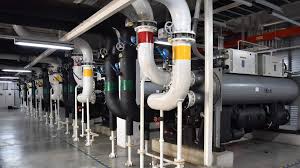
In an era of rising electricity costs and stringent environmental regulations, upgrading to an energy-efficient industrial chiller is no longer just an “eco-friendly” choice—it is a financial necessity. For many manufacturing plants, the chiller system is the single largest consumer of electricity.
The Ultimate Guide to Energy-Efficient Industrial Chillers
Optimizing your cooling system can lead to energy savings of 20% to 50%. This guide explores the latest technologies that drive efficiency and how to choose the right system for your facility.
1. High-Efficiency Technologies to Look For
When evaluating a new chiller, look for these three game-changing features:
- Variable Frequency Drives (VFDs): Standard chillers run at 100% capacity regardless of the load. A VFD-equipped chiller adjusts its compressor speed to match the actual cooling demand, significantly reducing energy waste during partial-load conditions.
- Oil-Free Magnetic Bearing Compressors: By eliminating friction and the need for oil-management systems, magnetic bearing chillers offer superior efficiency and lower maintenance costs compared to traditional screw or reciprocating compressors.
- Electronic Expansion Valves (EEVs): Unlike mechanical valves, EEVs provide precise refrigerant flow control, ensuring the evaporator operates at peak efficiency across a wide range of operating conditions.
2. Measuring Efficiency: IPLV vs. EER
To compare different models, you need to understand the metrics:
- EER (Energy Efficiency Ratio): Measures efficiency at full-load conditions ($100\%$ capacity).
- IPLV (Integrated Part Load Value): A more realistic metric that calculates efficiency based on the chiller’s performance throughout a typical year, including time spent at $25\%$, $50\%$, and $75\%$ load.
Pro Tip: If your process load fluctuates throughout the day, prioritize a high IPLV rating over a high EER.
3. Maintenance for Peak Efficiency
Even the most efficient chiller will lose performance if neglected. Follow these steps to maintain low energy consumption:
- Clean Condenser Coils: Even a thin layer of dust can increase energy consumption by 10%.
- Monitor Refrigerant Levels: Low charge causes the compressor to work harder, driving up your utility bill.
- Optimal Setpoints: For every 1°C you raise the chilled water setpoint, you can improve efficiency by approximately 2% to 3%.
SEO Metadata Strategy
Use these tags to capture traffic from decision-makers looking to reduce operational costs:
| Element | Optimized Content |
| Page Title | Energy-Efficient Industrial Chillers: Reduce Costs & Boost ROI |
| Meta Description | Save up to 50% on cooling costs with energy-efficient industrial chillers. Explore VFD technology, magnetic bearing compressors, and EER vs. IPLV ratings. |
| Primary Keyword | Energy efficient industrial chiller |
| Secondary Keywords | Low power consumption chiller, VFD industrial chiller, high-efficiency cooling system, chiller energy saving tips. |
| URL Slug | /energy-efficient-industrial-chiller-guide/ |
Recommended Header Tags (H2 & H3)
## Why Energy Efficiency Matters in Industrial Cooling## Top 3 Features of High-Efficiency Chillers### Understanding VFD and Partial Load Efficiency## How to Calculate Your Potential Energy Savings