Modern HVAC systems are designed not only to regulate temperature but also to ensure indoor air quality. In commercial, industrial, and cleanroom environments, moisture droplets in the airstream can damage filters, promote microbial growth, and reduce system efficiency. Mist eliminators—also known as drift eliminators or demisters—are an effective solution for removing moisture before it reaches sensitive components.
This guide explains how mist eliminators enhance HVAC filtration, improve energy efficiency, and protect system longevity.
Role of Mist Eliminators in HVAC Air Filtration
Moisture in HVAC systems can come from:
- Cooling coils producing condensate
- Humidifiers generating fine mist
- Air intakes in rainy or coastal environments
- Process exhaust recirculation in industrial facilities
When moisture droplets enter downstream filters, they can cause:
- Reduced filtration efficiency
- Filter media deterioration
- Bacterial and mold growth
- Increased pressure drop and energy consumption
Mist eliminators remove these droplets before they reach filters, ensuring dry, clean airflow.
Types of Mist Eliminators for HVAC Applications
a) Blade Type Mist Eliminators
- Design: Zig-zag or sinusoidal blade profiles made from PVC, FRP, or aluminum.
- Advantages: Low pressure drop, high airflow capacity, easy cleaning.
- Best Use: Cooling towers in HVAC systems, large air handling units.
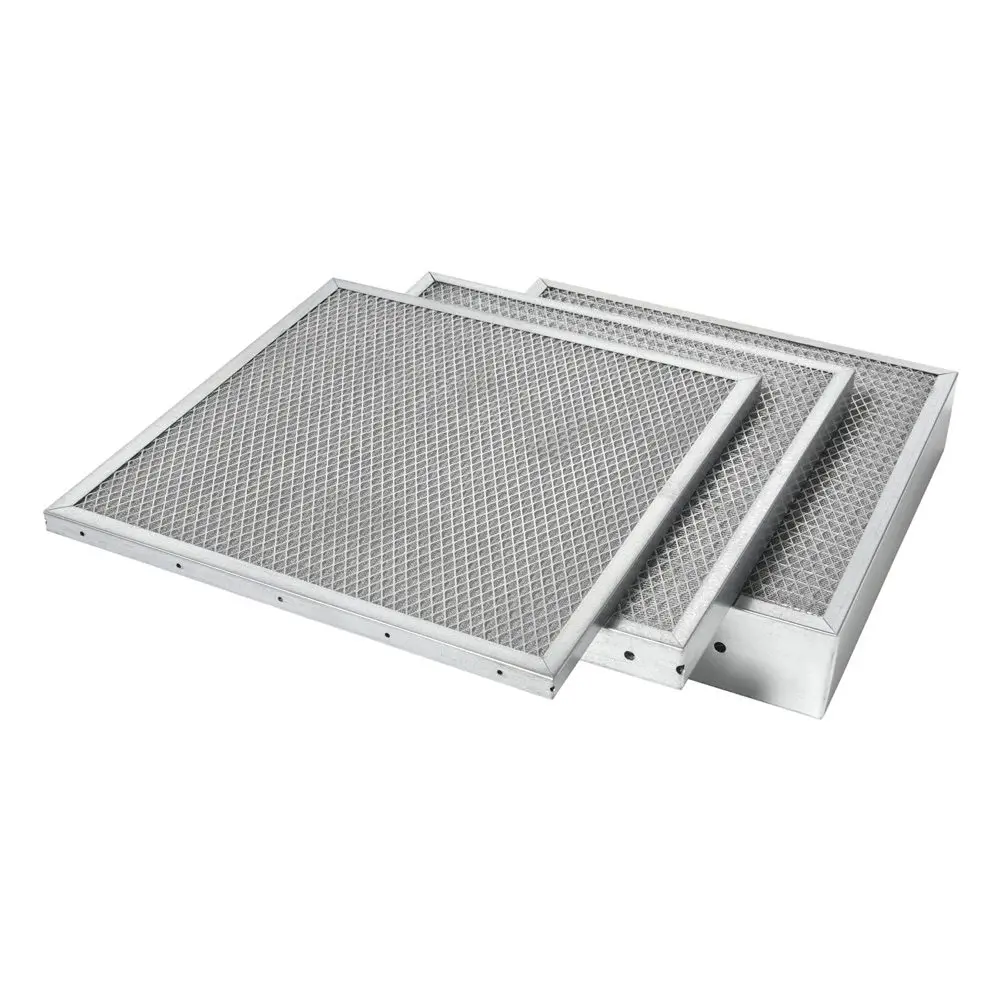
b) Mesh Type Mist Eliminators
- Design: Knitted wire mesh or synthetic fibers in pad form.
- Advantages: Excellent for capturing fine mist droplets.
- Best Use: High-humidity process air, cleanrooms, humidifier protection.
Benefits of Mist Eliminators in HVAC Systems
- Extended Filter Life – By removing moisture, mist eliminators prevent filter clogging and early replacement.
- Improved Air Quality – Reduced microbial growth in filters and ducts.
- Energy Efficiency – Lower pressure drop and optimized airflow.
- Corrosion Protection – Prevents moisture-induced corrosion in ductwork and components.
- Compliance with Indoor Air Standards – Meets ASHRAE and cleanroom air quality guidelines.
Material Selection for HVAC Mist Eliminators
- PVC – Lightweight, corrosion-resistant, cost-effective.
- FRP (Fiberglass Reinforced Plastic) – Durable, UV stable, ideal for coastal applications.
- Aluminum – Lightweight, corrosion-resistant in mild conditions.
- Stainless Steel (304/316) – High durability, suitable for industrial HVAC systems with corrosive air contaminants.
Installation Considerations
- Install upstream of filters for maximum protection.
- Ensure proper drainage to avoid water accumulation.
- Maintain adequate air velocity limits to prevent re-entrainment of droplets.
- Schedule regular cleaning for optimal performance.
In HVAC systems, mist eliminators play a critical role in moisture control, ensuring filter efficiency, improved indoor air quality, and energy savings. Whether using blade type for high airflow or mesh type for fine droplet capture, choosing the right material and design will maximize performance in both commercial and industrial applications.