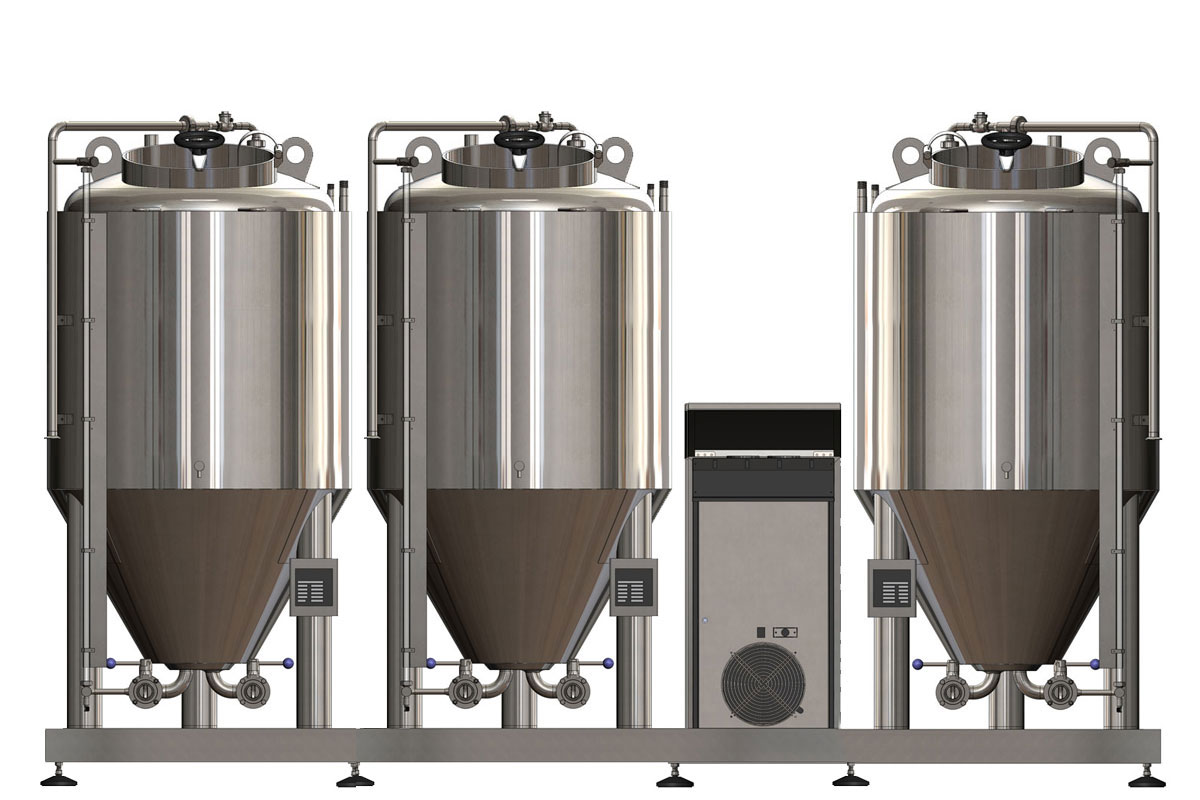
Optimizing content for Fermentation Tank Chillers requires a blend of technical precision and search engine strategy. Since these systems are the unsung heroes of breweries, wineries, and dairies, your content should focus on reliability, temperature control accuracy, and energy efficiency.
Here is SEO-friendly content structured to rank for high-intent keywords.
The Ultimate Guide to Fermentation Tank Chillers: Precision Cooling for Quality Control
Maintaining the perfect temperature isn’t just a “nice-to-have” in fermentation—it is the difference between a gold-medal brew and a ruined batch. A fermentation tank chiller (often called a glycol chiller) provides the consistent thermal regulation required to manage the heat generated by yeast activity.
Why Temperature Control Matters
During fermentation, yeast consumes sugars and releases heat as a byproduct. Without an industrial-grade cooling system, this exothermic reaction can cause temperatures to spike, leading to:
- Off-flavors: Excessive heat produces esters and fusel alcohols.
- Stuck Fermentation: High temperatures can stress or kill your yeast strains.
- Haze and Stability Issues: Proper “crashing” is required for clarity and shelf life.
Key Features of High-Performance Tank Chillers
When sourcing a chiller for your facility, look for these critical specifications:
| Feature | Importance |
| Precise Digital Thermostats | Allows for +/- 1 degree accuracy to satisfy sensitive yeast. |
| Glycol Compatibility | Enables cooling well below freezing (32°F) without the lines icing up. |
| Stainless Steel Housing | Ensures durability in washdown environments and resists corrosion. |
| Scalable BTU Capacity | Matches the total volume of your jacketed tanks. |
Types of Fermentation Cooling Systems
- Air-Cooled Chillers: Best for facilities with ample ventilation; easier to install and maintain.
- Water-Cooled Chillers: Highly efficient for large-scale operations, though they require a cooling tower or water source.
- Portable Nano-Chillers: Ideal for pilot systems or craft startups with 1–3 small fermenters.
How to Size Your Chiller
Choosing the right size is a math problem, not a guessing game. You must calculate the Total Heat Load, which includes:
- Active Fermentation Heat: The BTU/hr generated by the yeast.
- Product Pull-Down: The energy needed to crash a tank from fermentation temp to storage temp (e.g., 70°F to 34°F).
- Ambient Heat Gain: Heat absorbed through tank insulation and piping.
Pro Tip: Always size your chiller with a 20% buffer. It’s better to have extra cooling capacity during a summer heatwave than to watch your lager turn into a steam beer.
Maintenance for Longevity
To keep your fermentation tank chiller running at peak SEO—System Efficiency Output—follow these steps:
- Check Glycol Levels: Ensure your water-to-glycol ratio is correct to prevent evaporator freeze-ups.
- Clean the Condenser Coils: Dust and debris force the compressor to work harder, shortening its lifespan.
- Inspect Insulation: Replace any worn foam on your coolant lines to prevent energy loss.
Ready to upgrade your cellar? Contact our engineering team today for a custom quote on a fermentation chiller tailored to your barrelage.